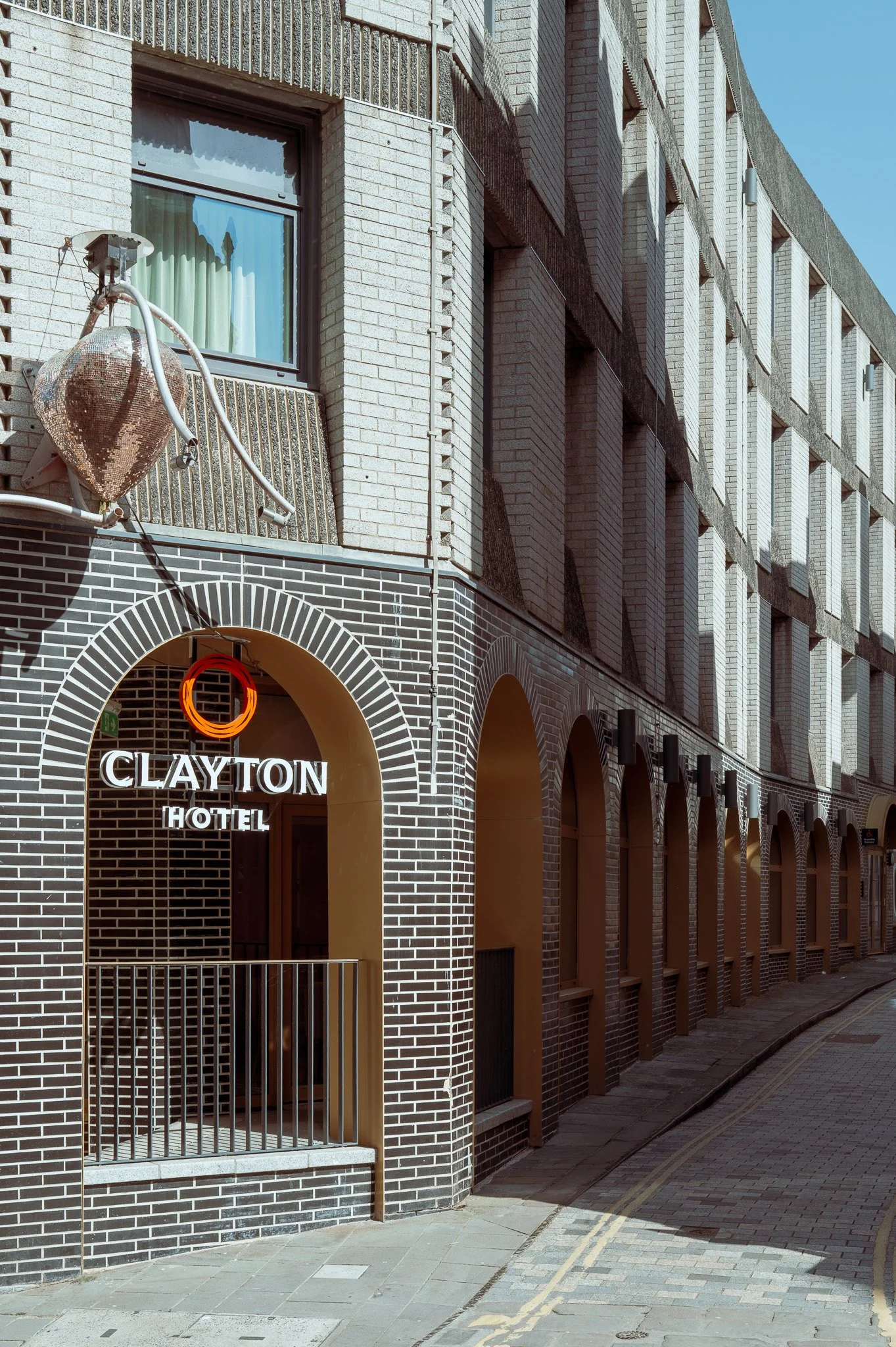
Everard’s Print Works and Clayton Hotel, Bristol
Modernist Bristol
Bristol’s modernist and brutalist buildings are rarely celebrated. Some are listed, many are threatened, a few are already gone. This book is a record and an appreciation of the buildings and the era that made them possible.
“Bristol’s own back-alley Gaudi.”
Owen Hatherley
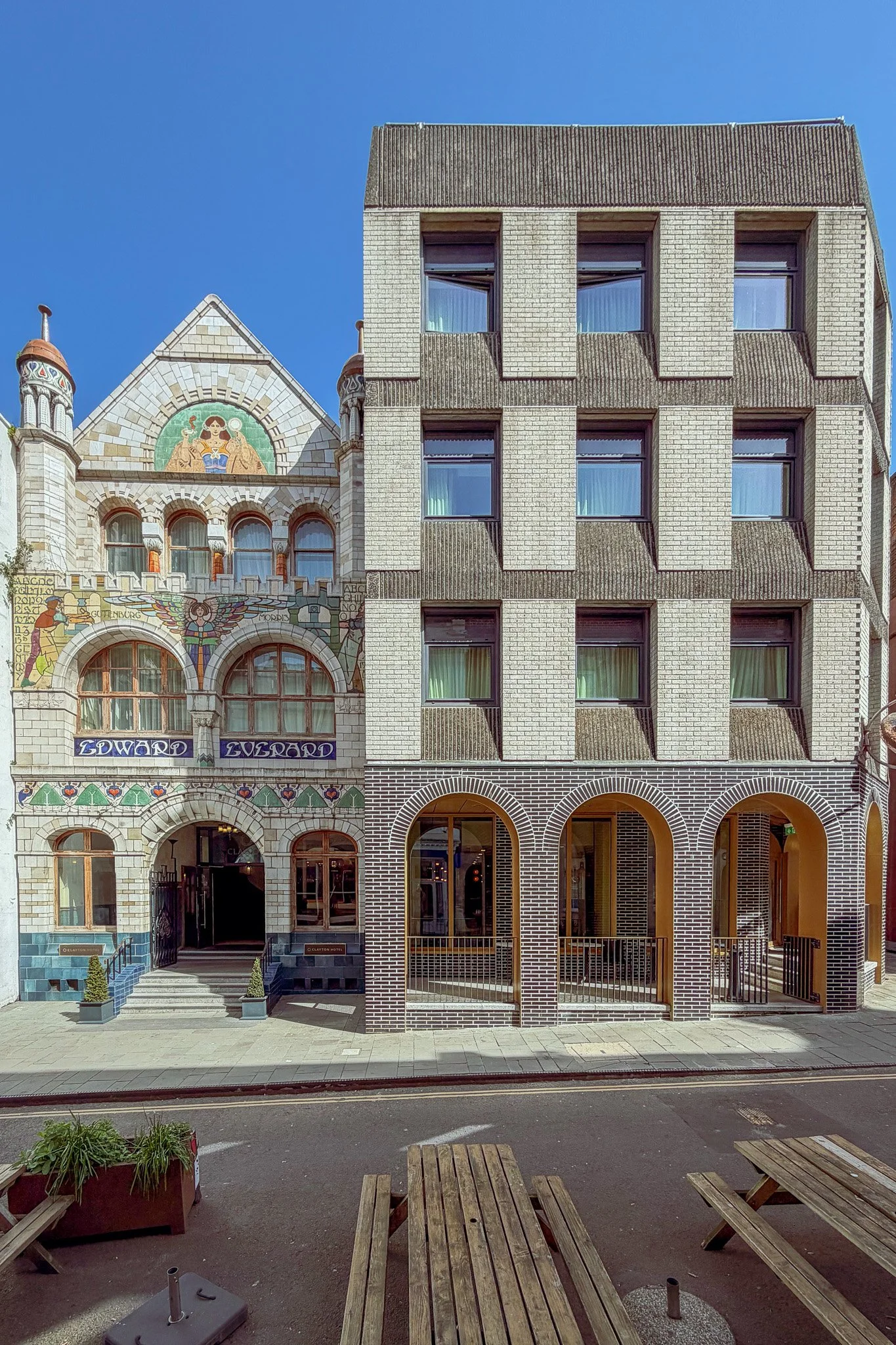
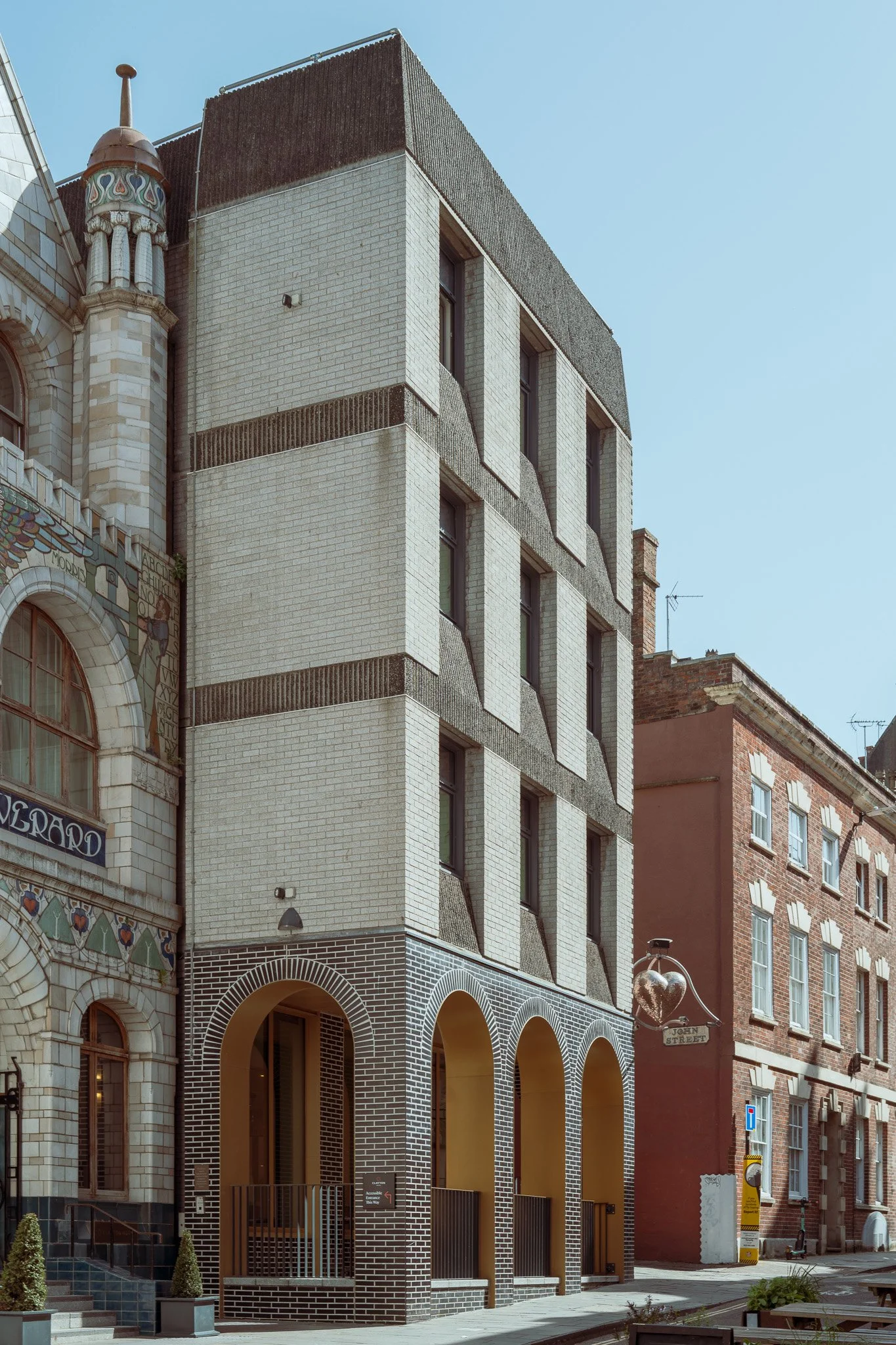
Everard’s Print Works sits on Broad Street, perhaps the finest street for architecture in Bristol. Built in 1900–01, the architect was Henry Williams and the façade tiles were designed by W.J. Neatby. It is now Grade II* listed.
It has the look of an Alphonse Mucha poster. The building’s function is explained by the depiction of two heroes of printing, Gutenberg and William Morris on either side of a figure representing the spirit of literature, who reads a magazine called Illogical. At the apex of the building is a figure holding a torch and mirror which represents Light and Truth.
The Bristol Post reported "When the Edward Everard Printing Works opened in Broad Street in 1901, the building was considered so controversial that police had to control the crowds that flocked to see it.”
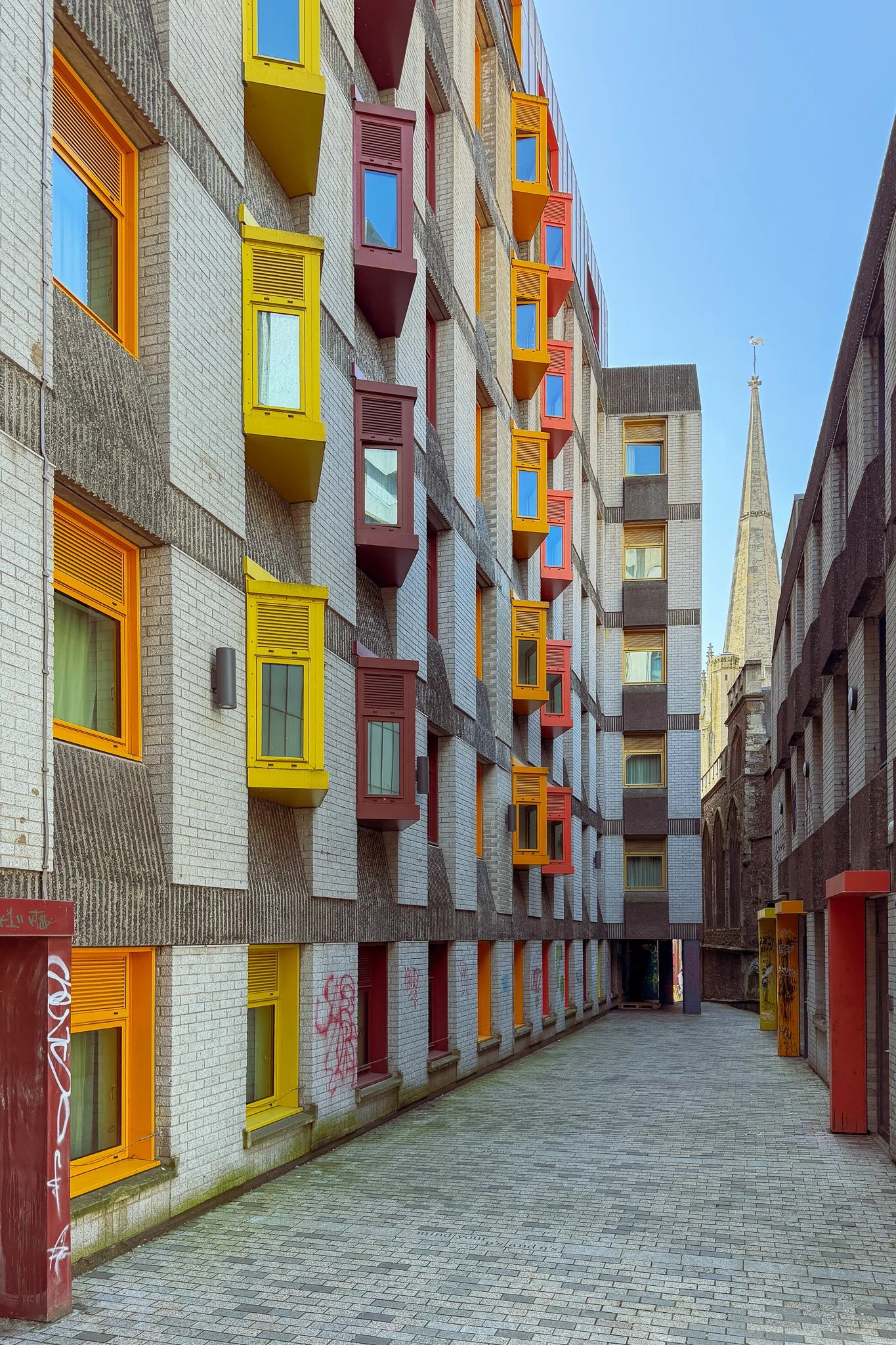
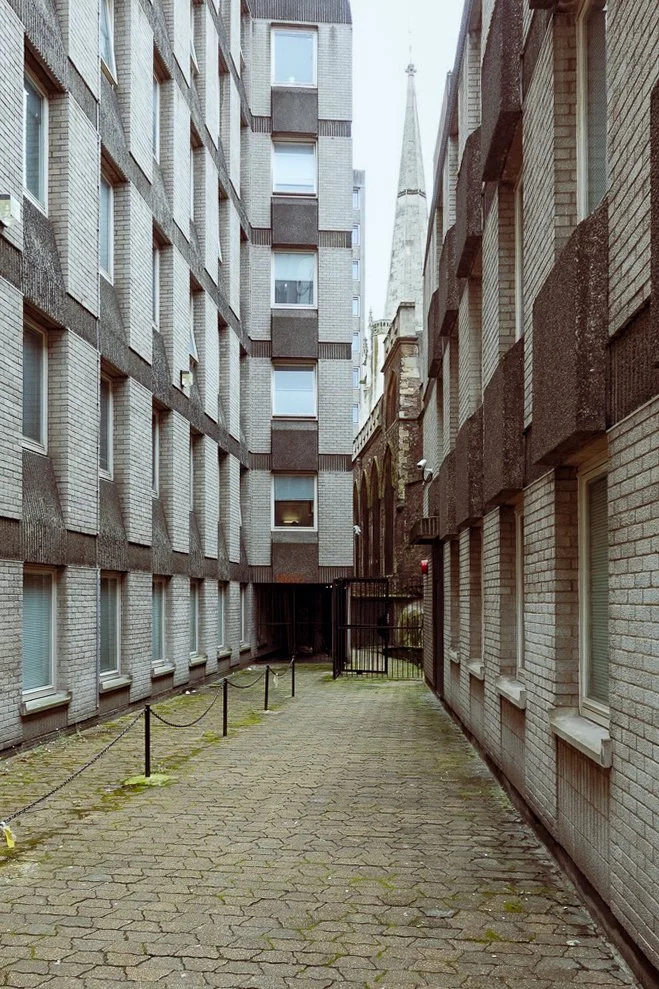
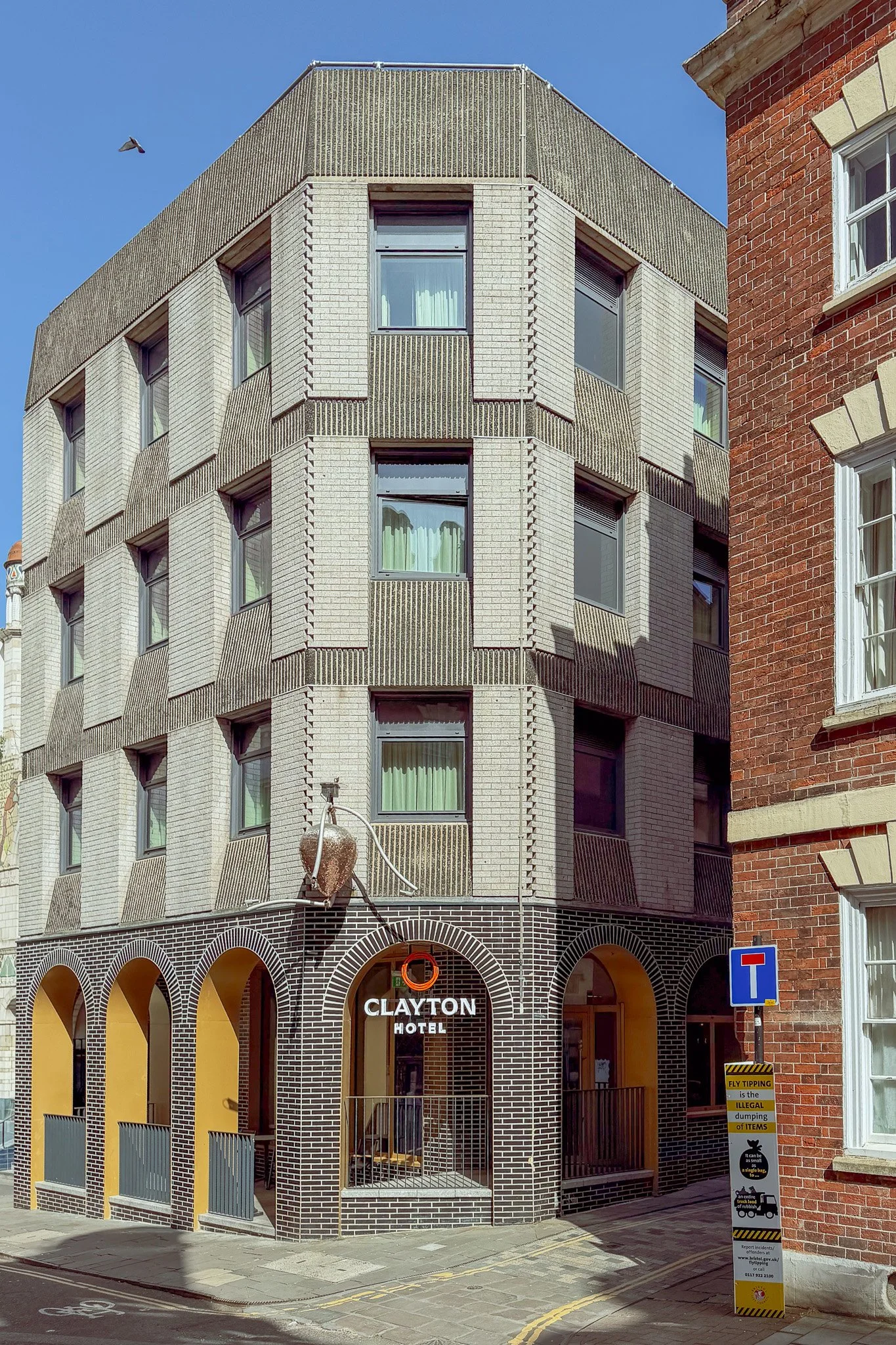
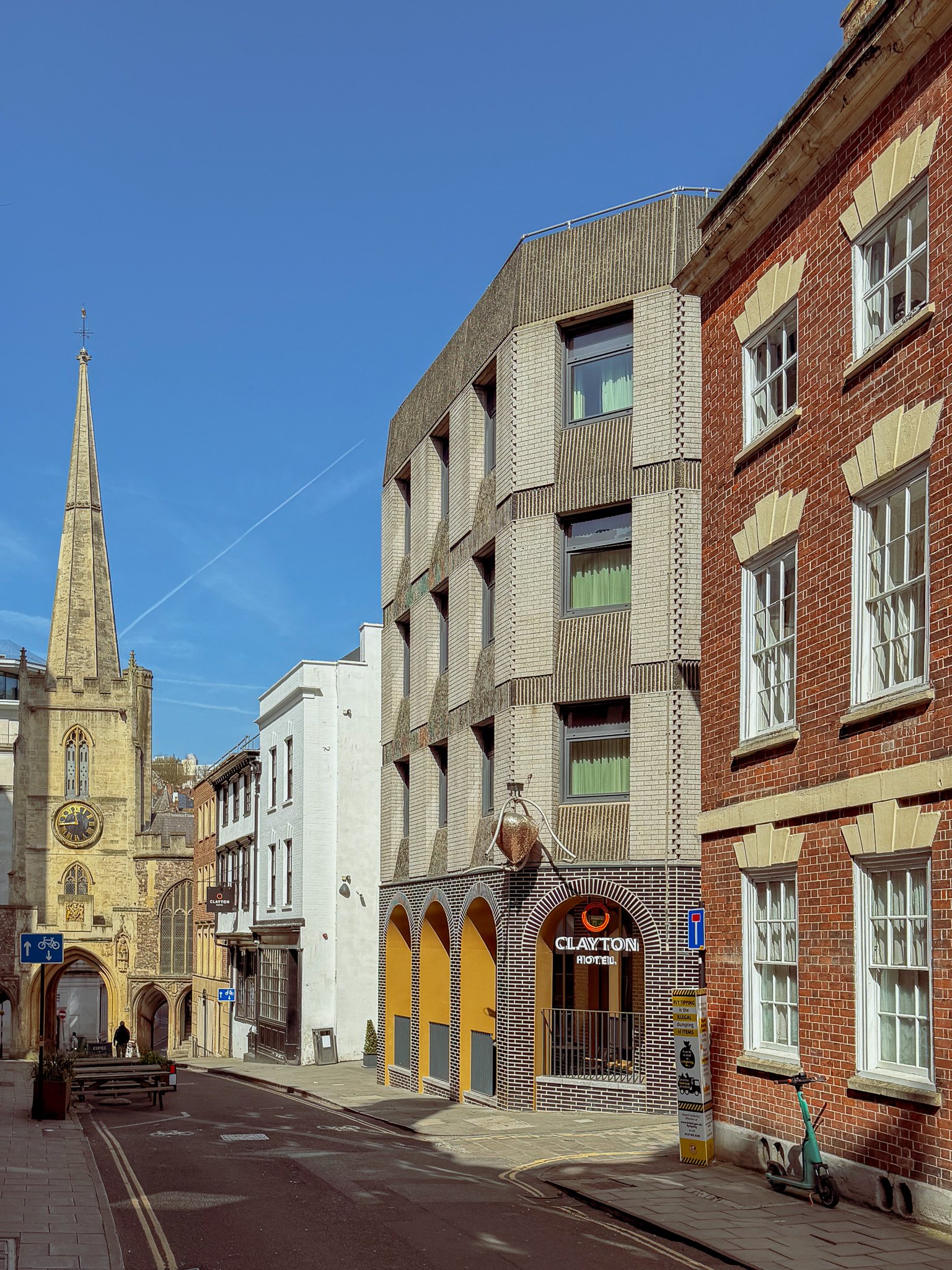
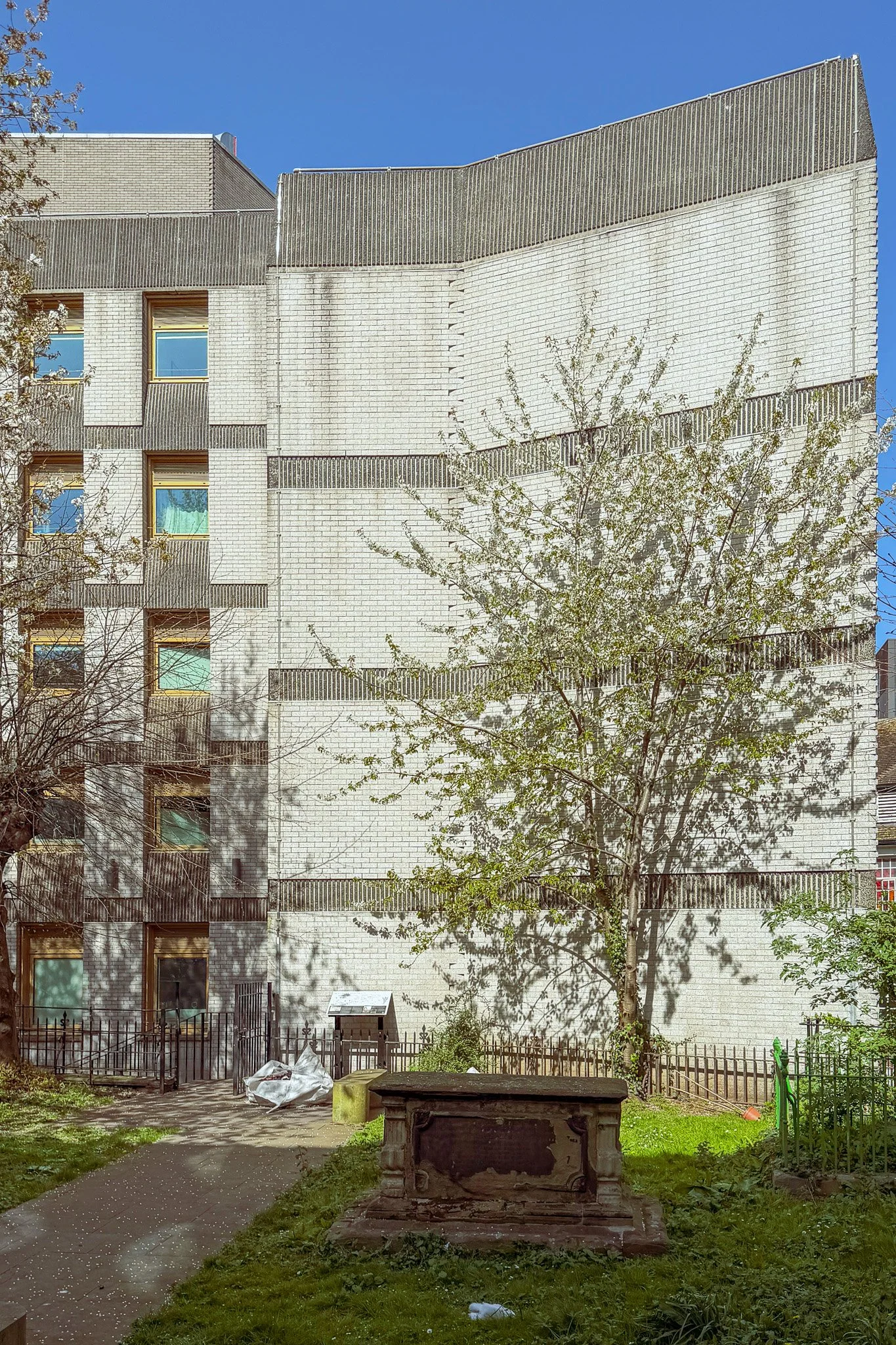
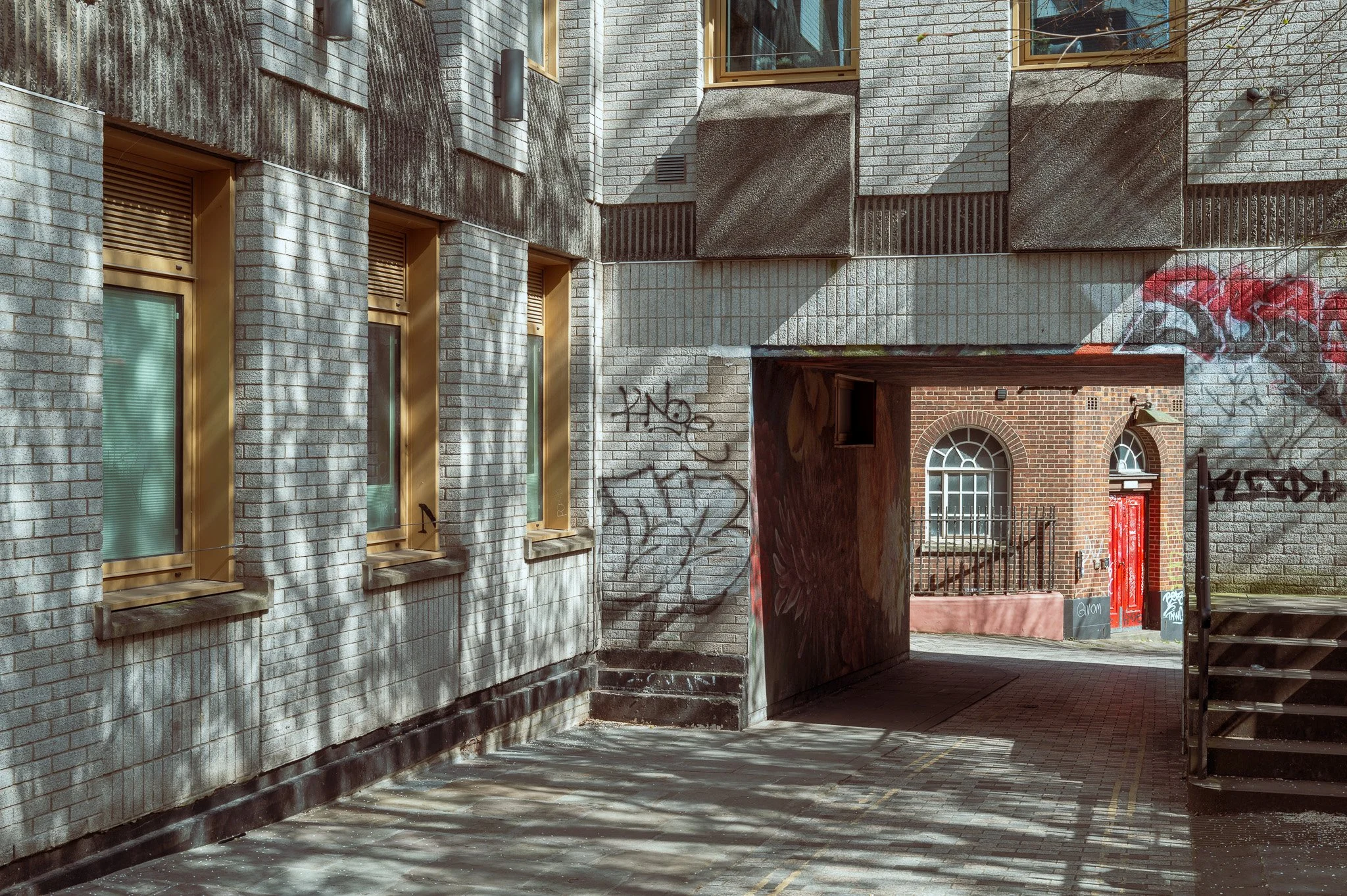
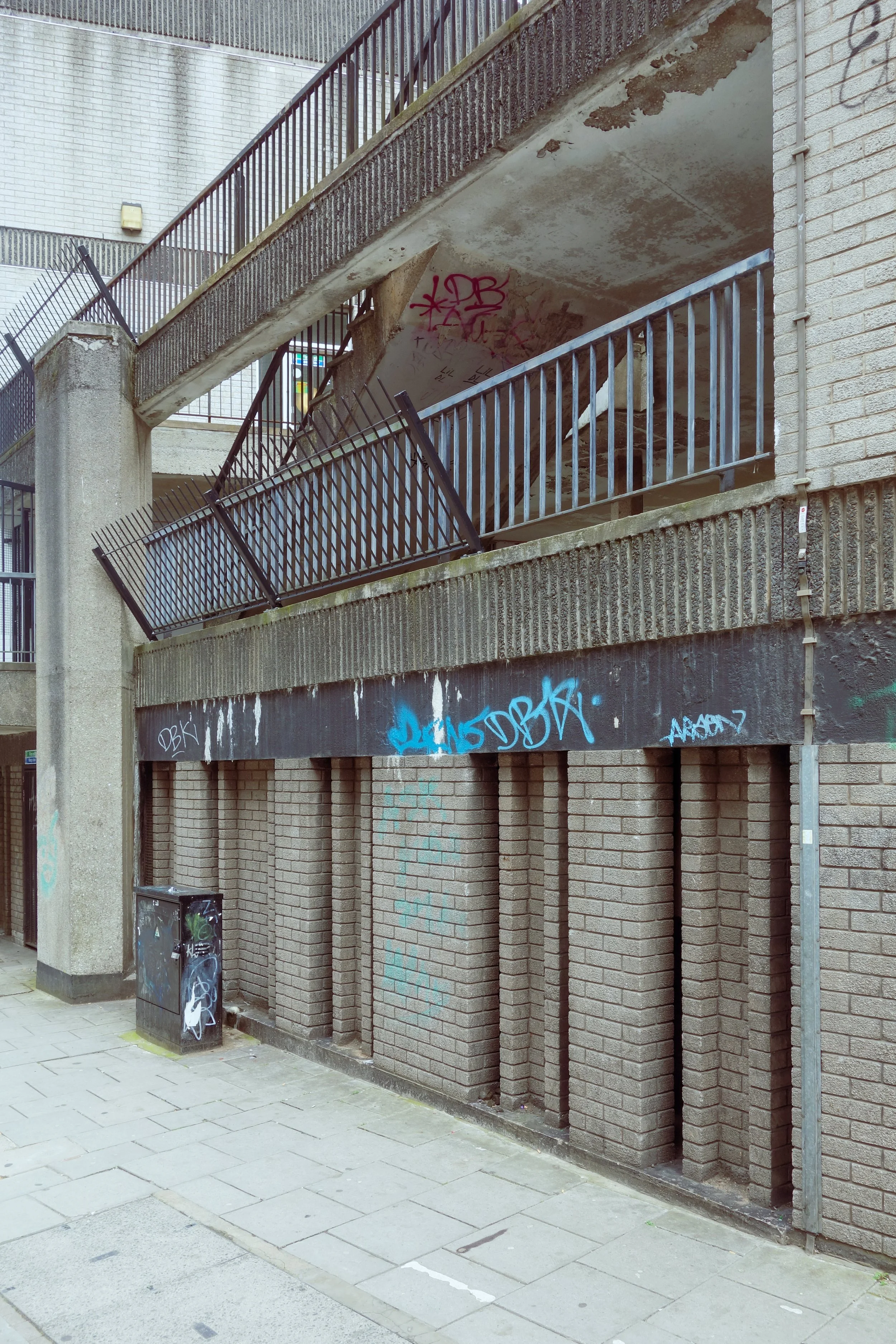
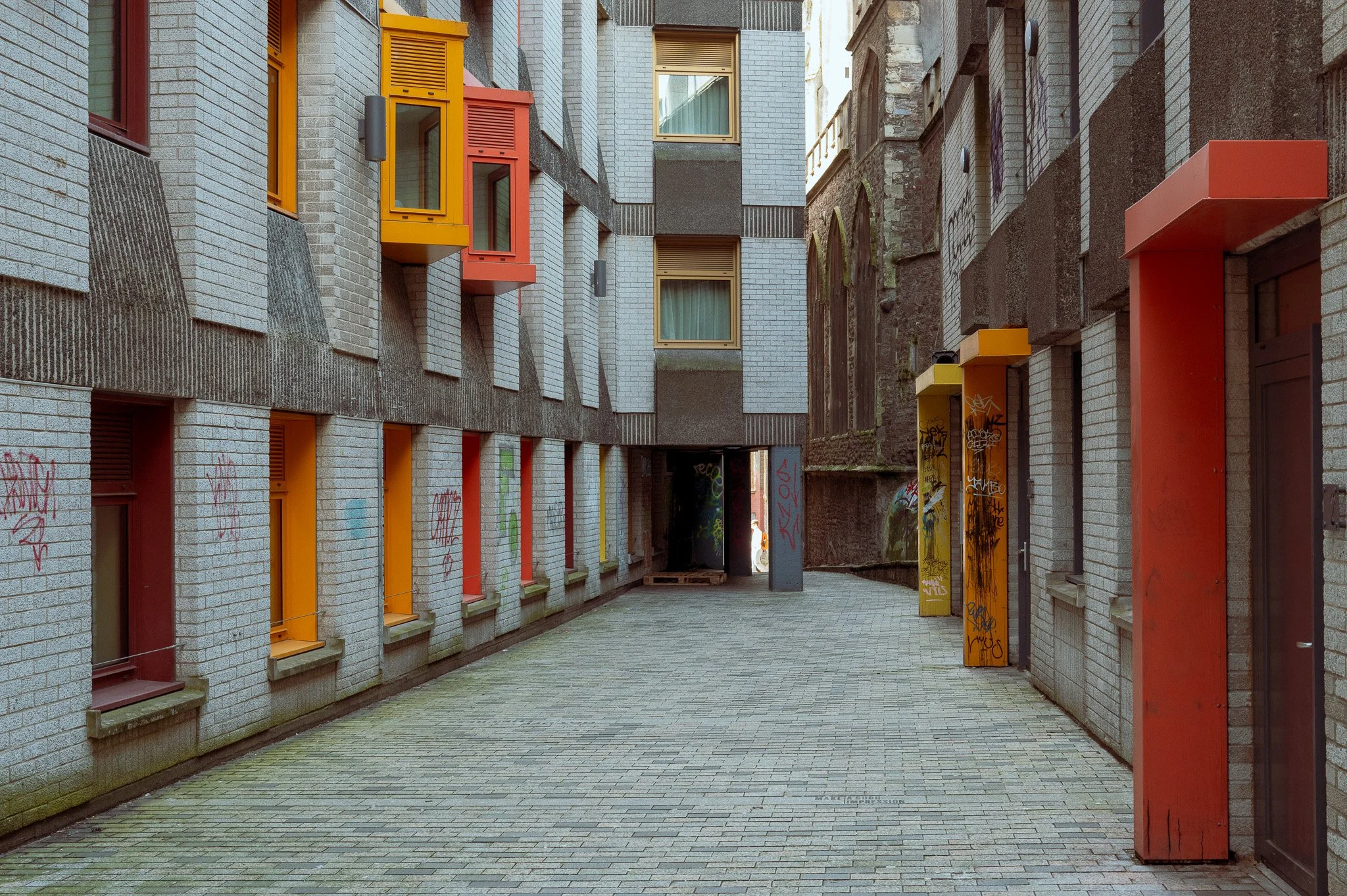
It continued to be a print works until 1967, when all but the façade was demolished to make way for Nat West Court. Designed by Alec French Partnership, the new offices opened in 1972 and followed the footprint of the medieval streets.
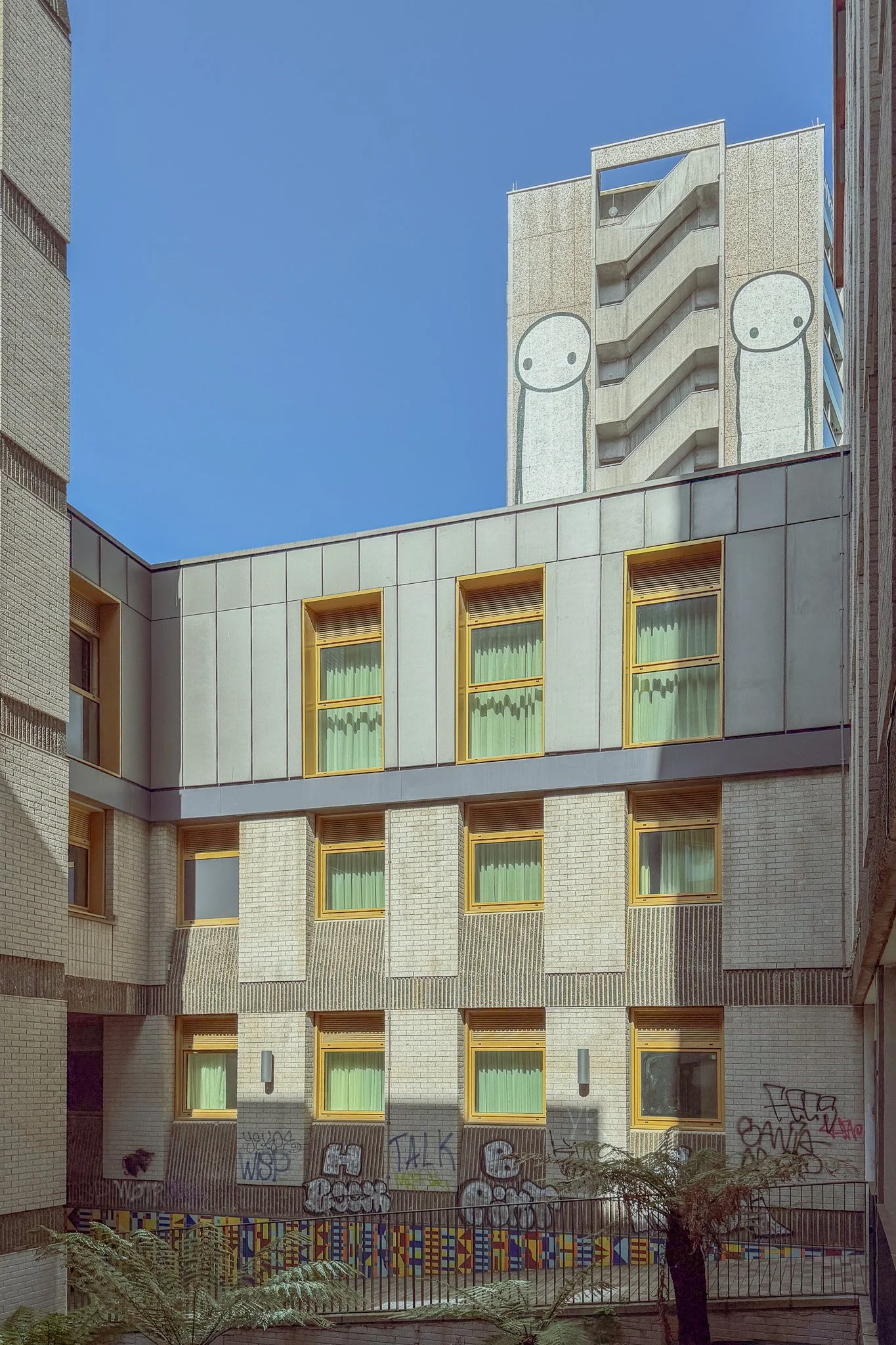
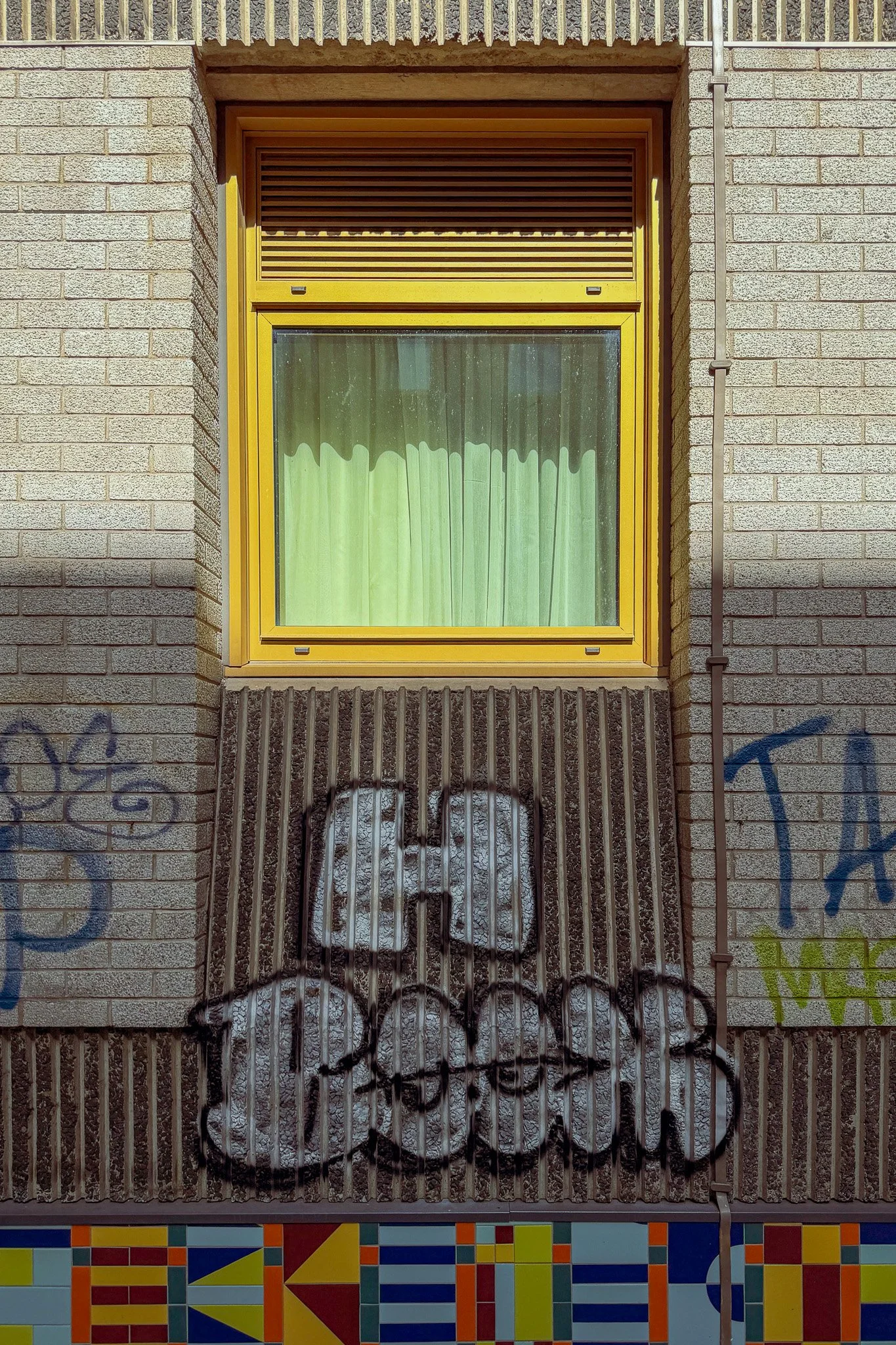
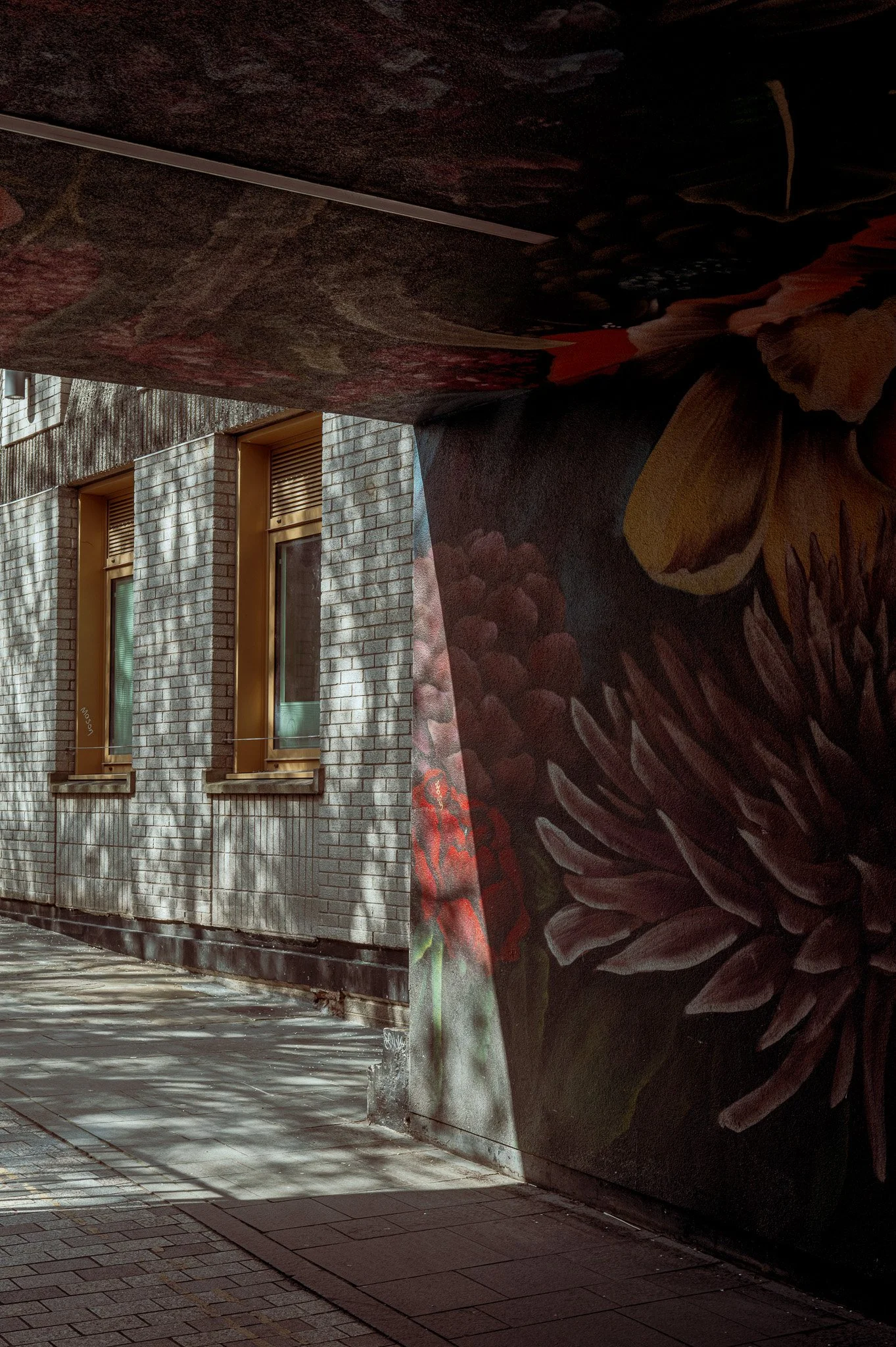
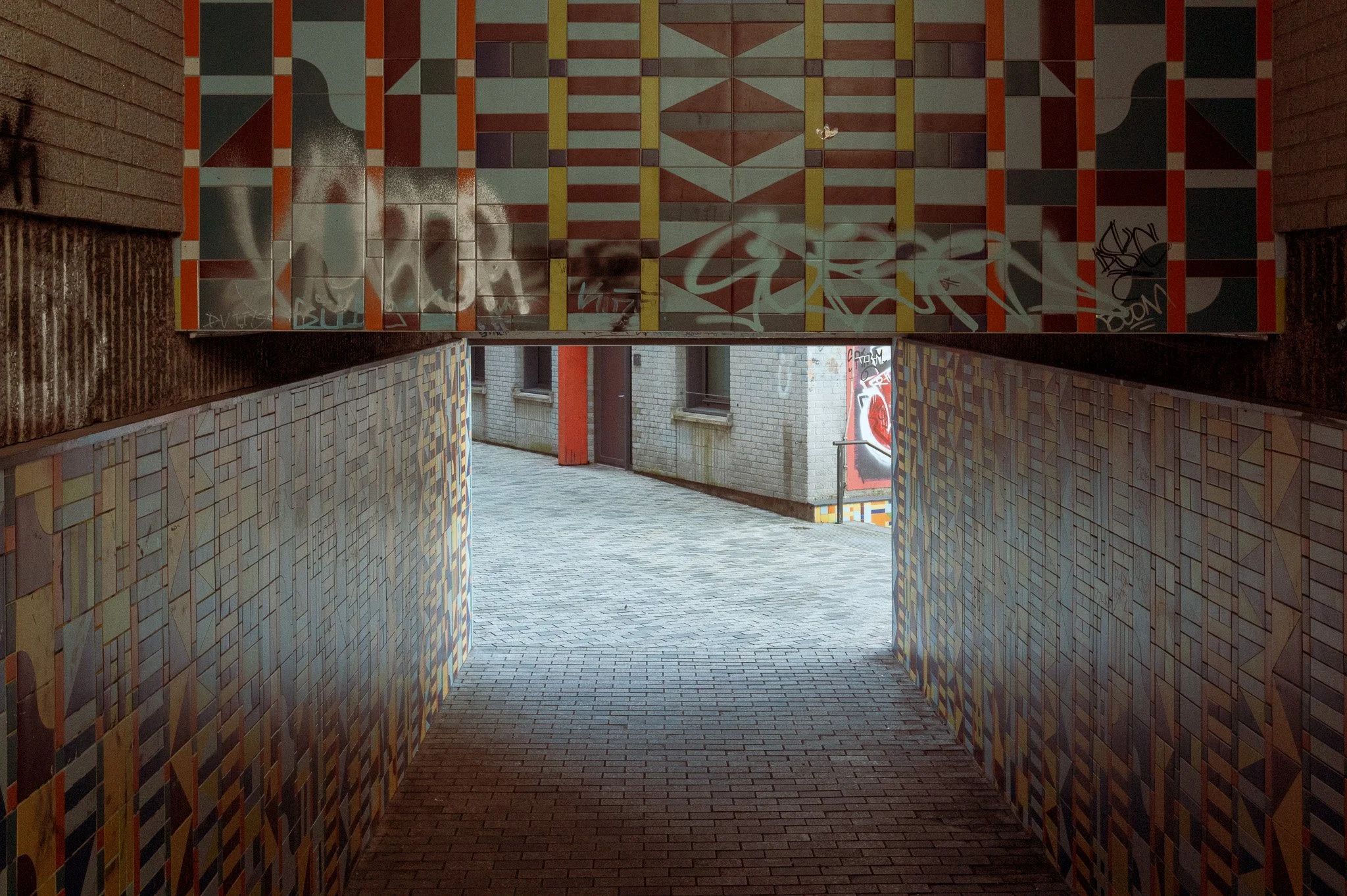
NatWest and Direct Line vacated the offices in 2017 and squatters moved in 2018-19. It was redeveloped in 2019-22 for the 255-bed Clayton Hotel and 24 residential flats, with tile installations by artist Adam Nathaniel Furman.