Isokon Building, London
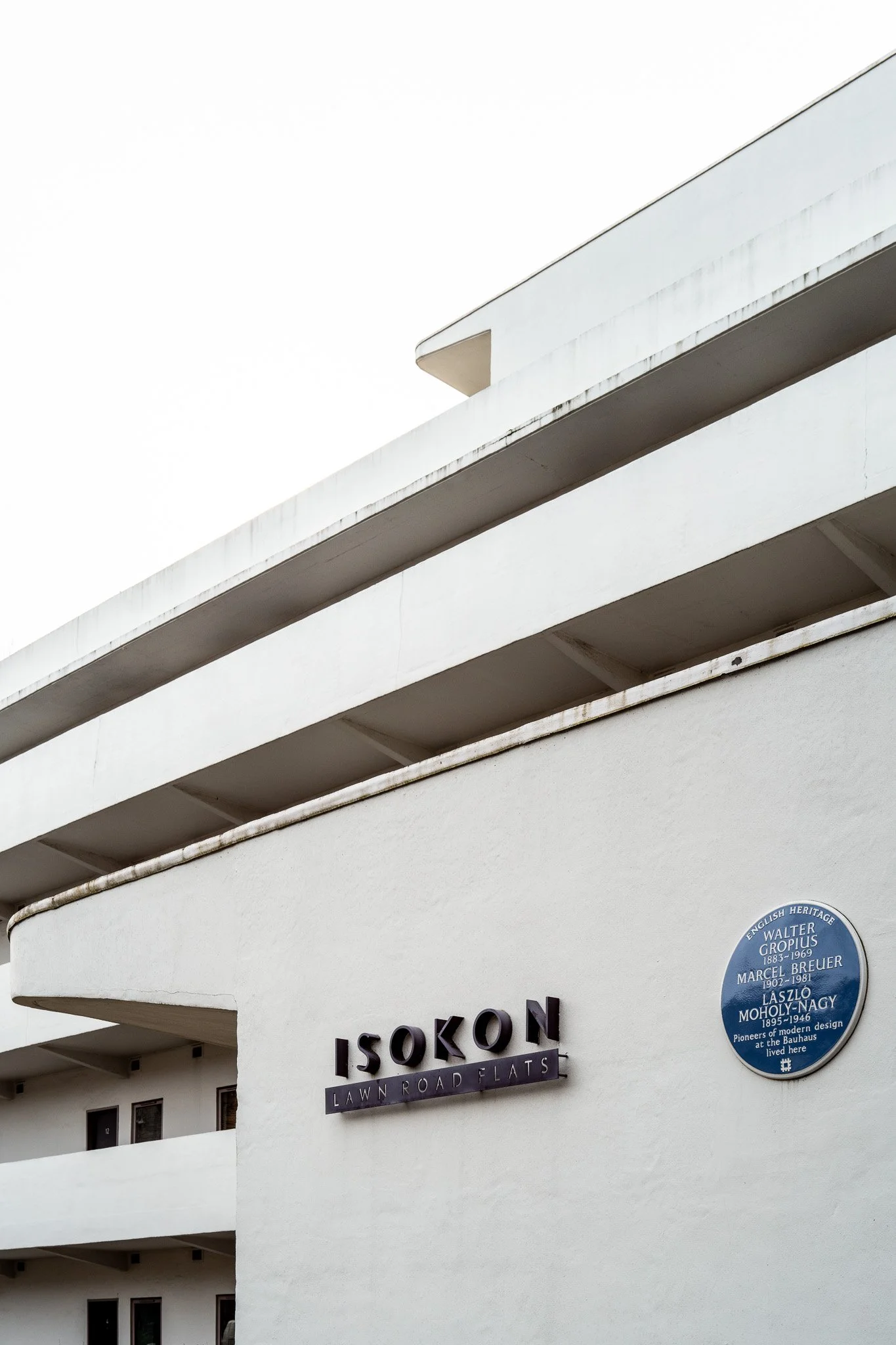
The building
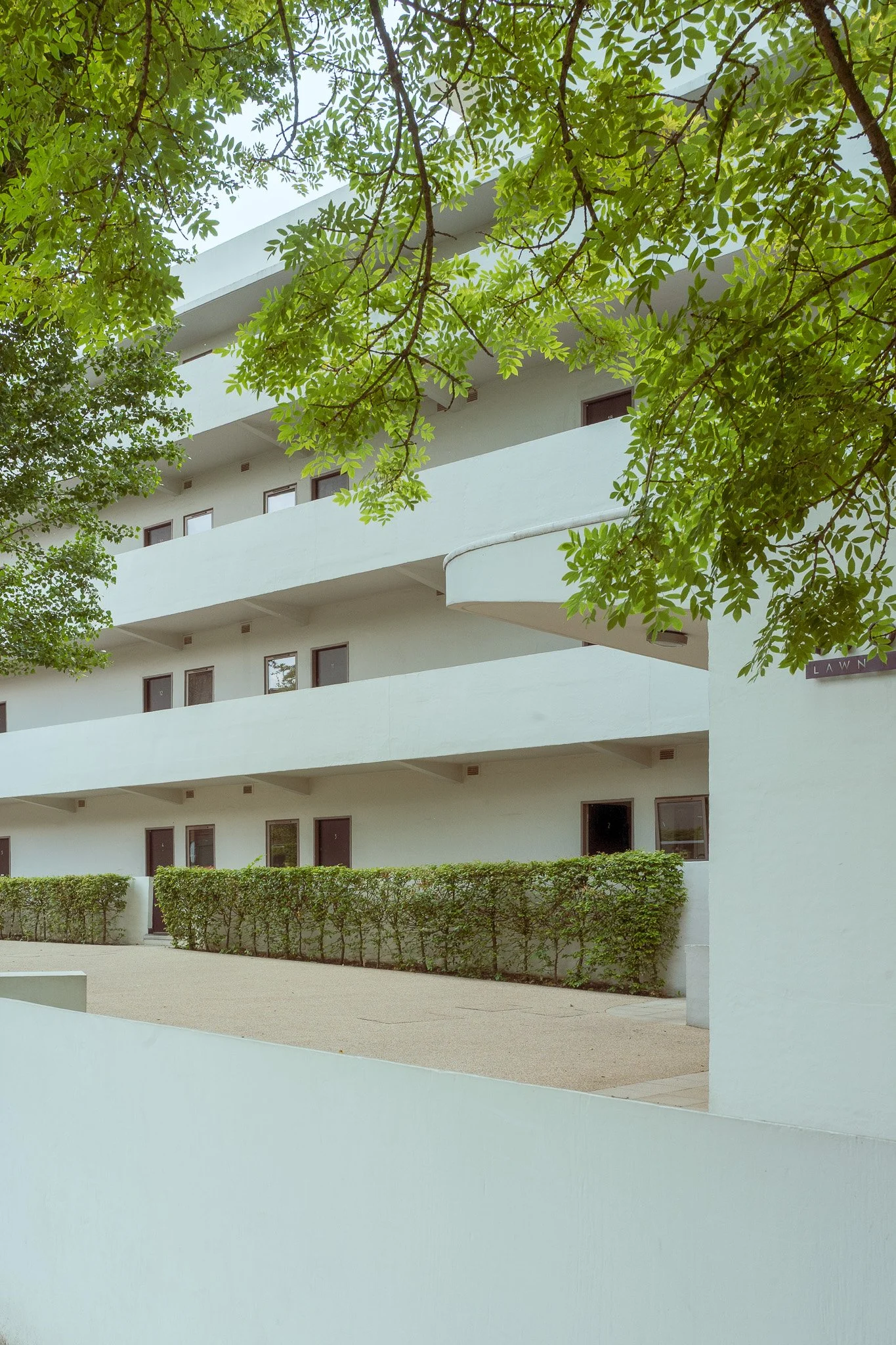
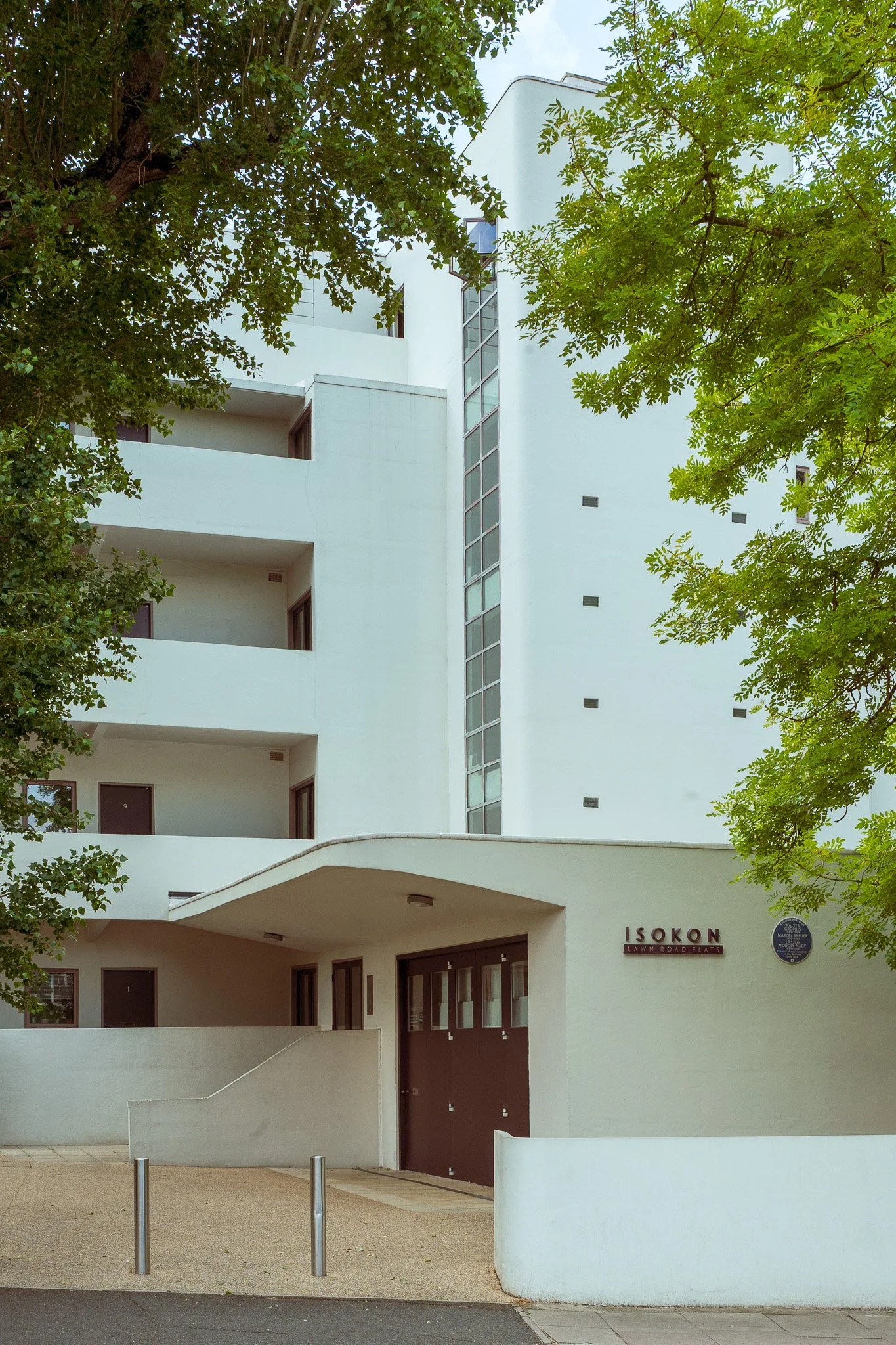
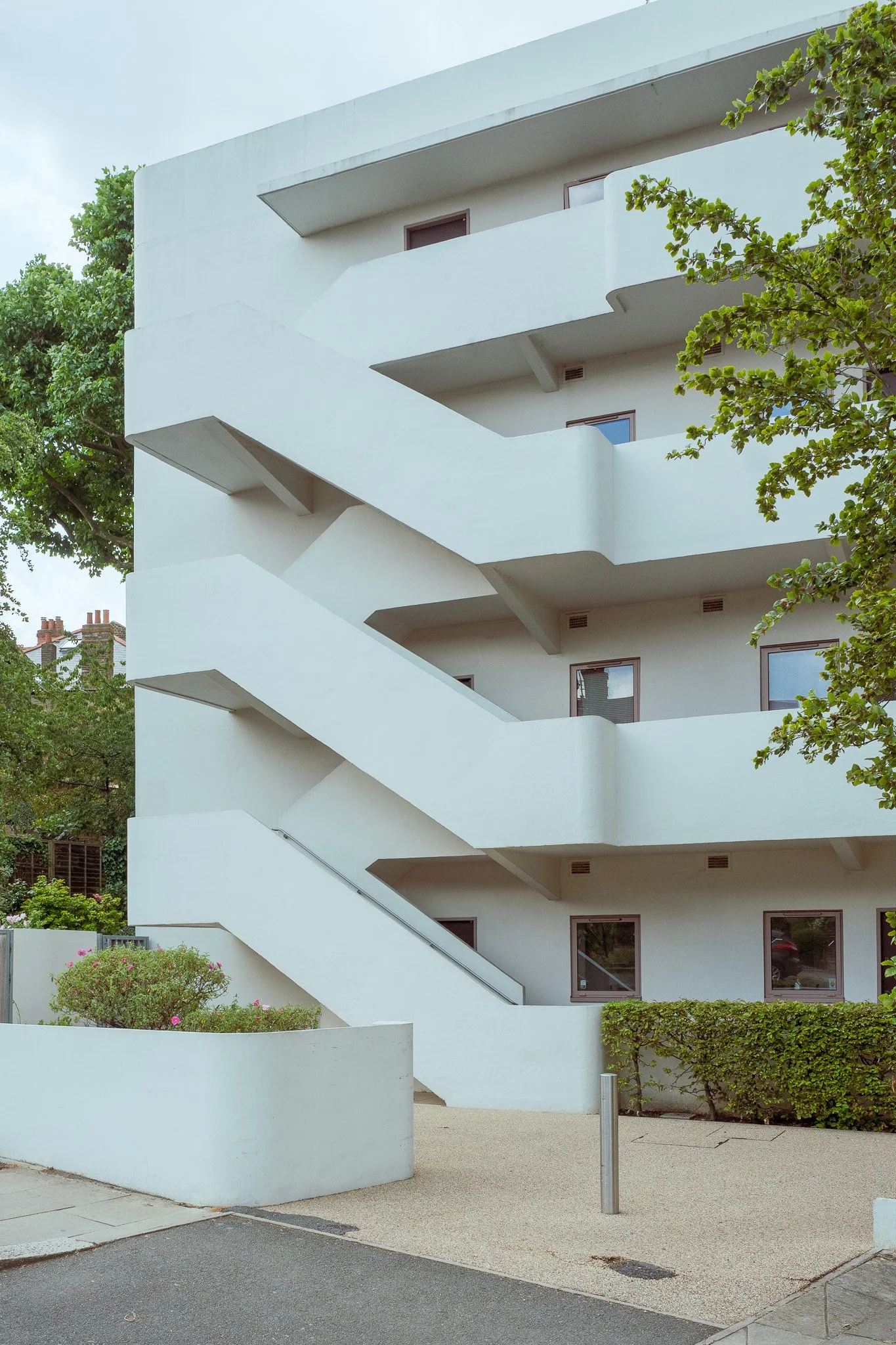
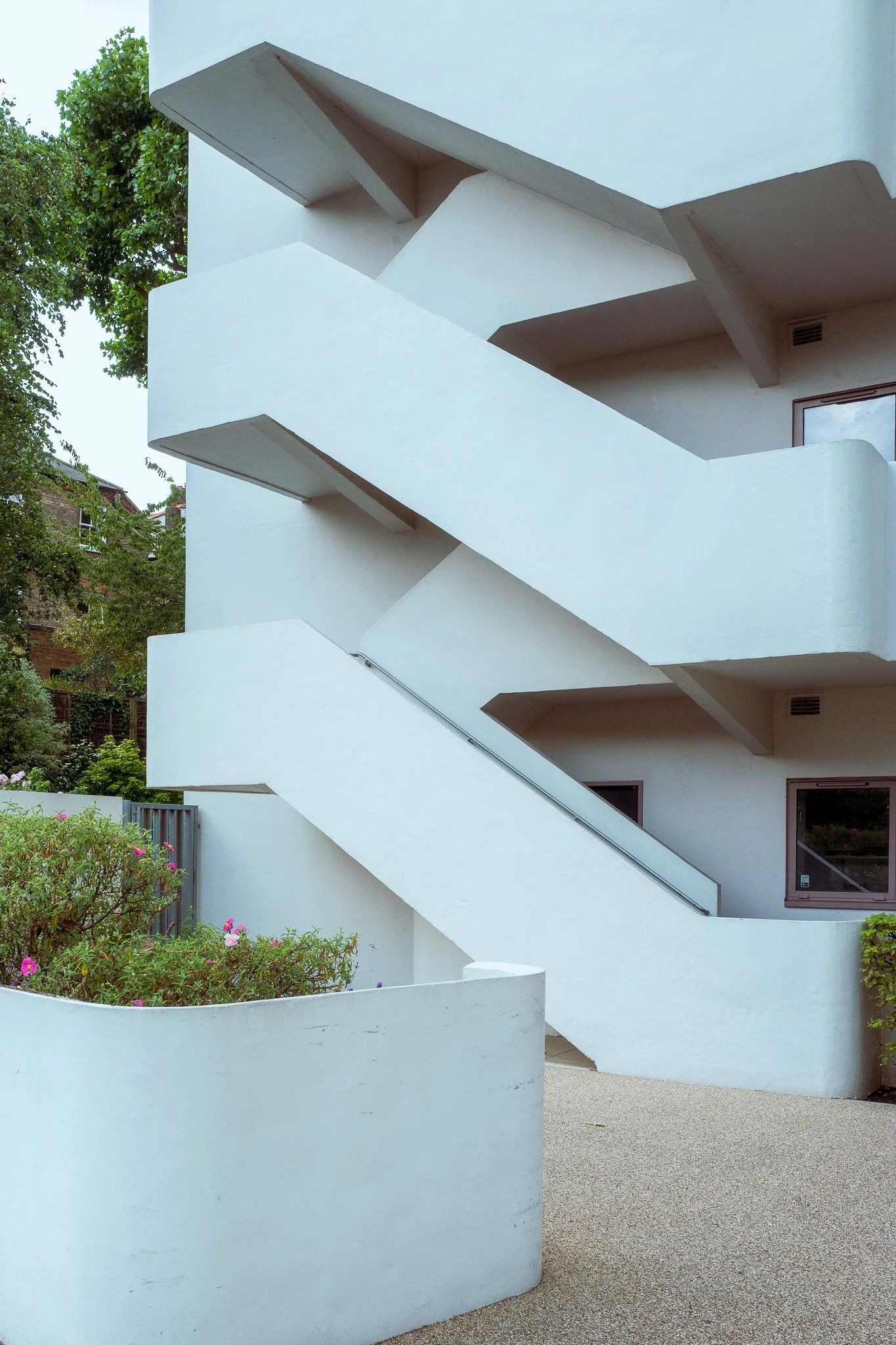
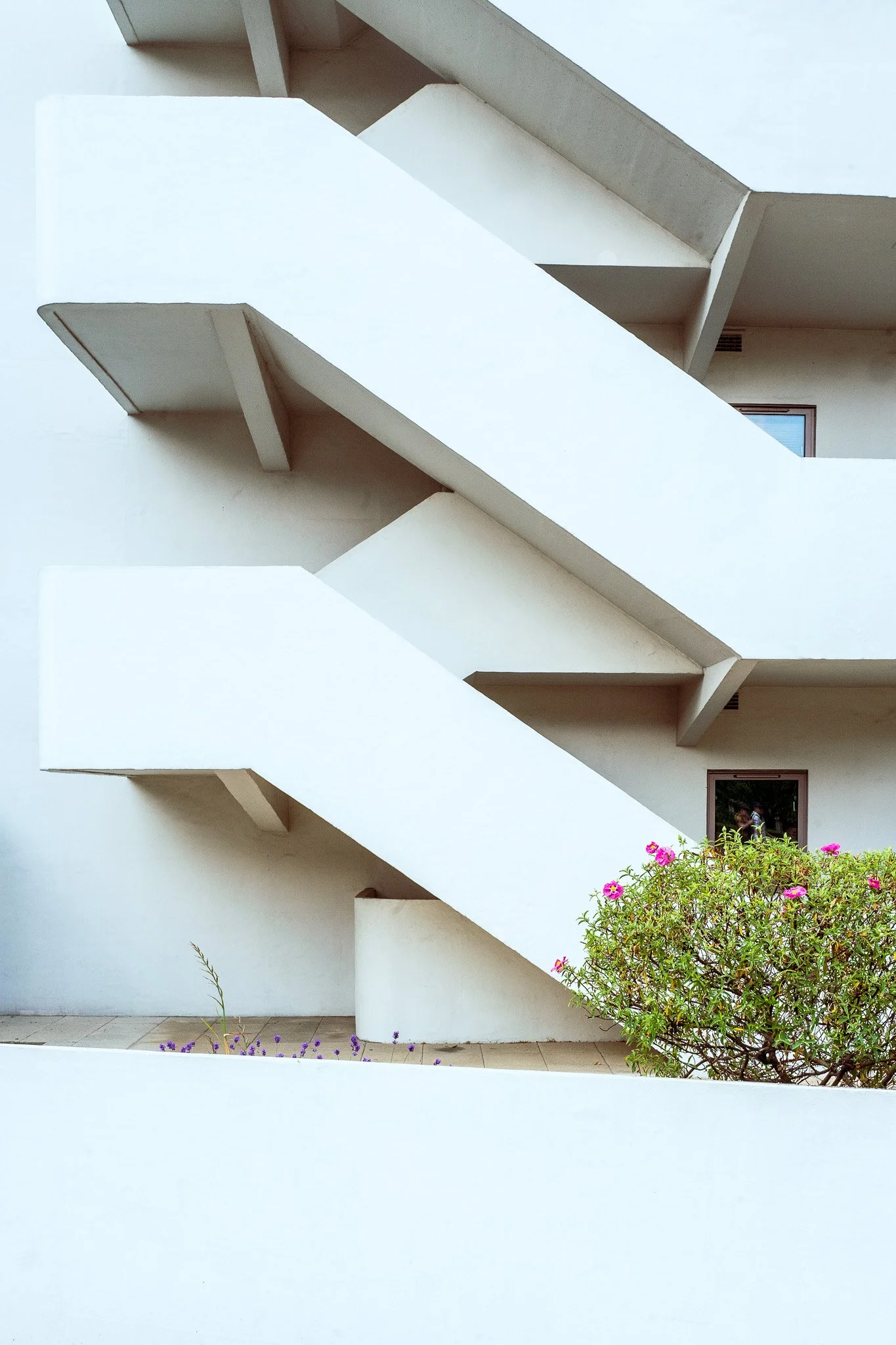
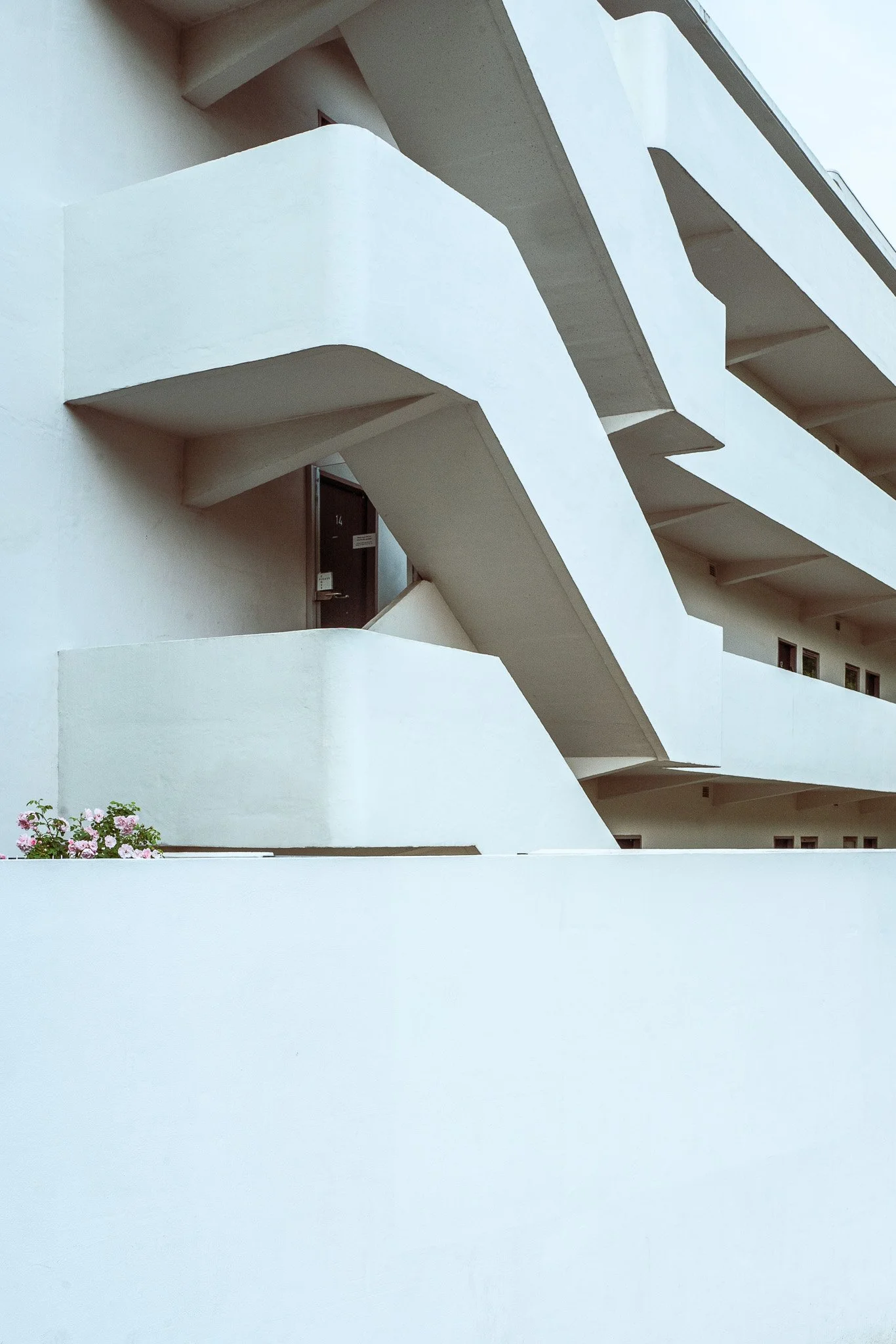
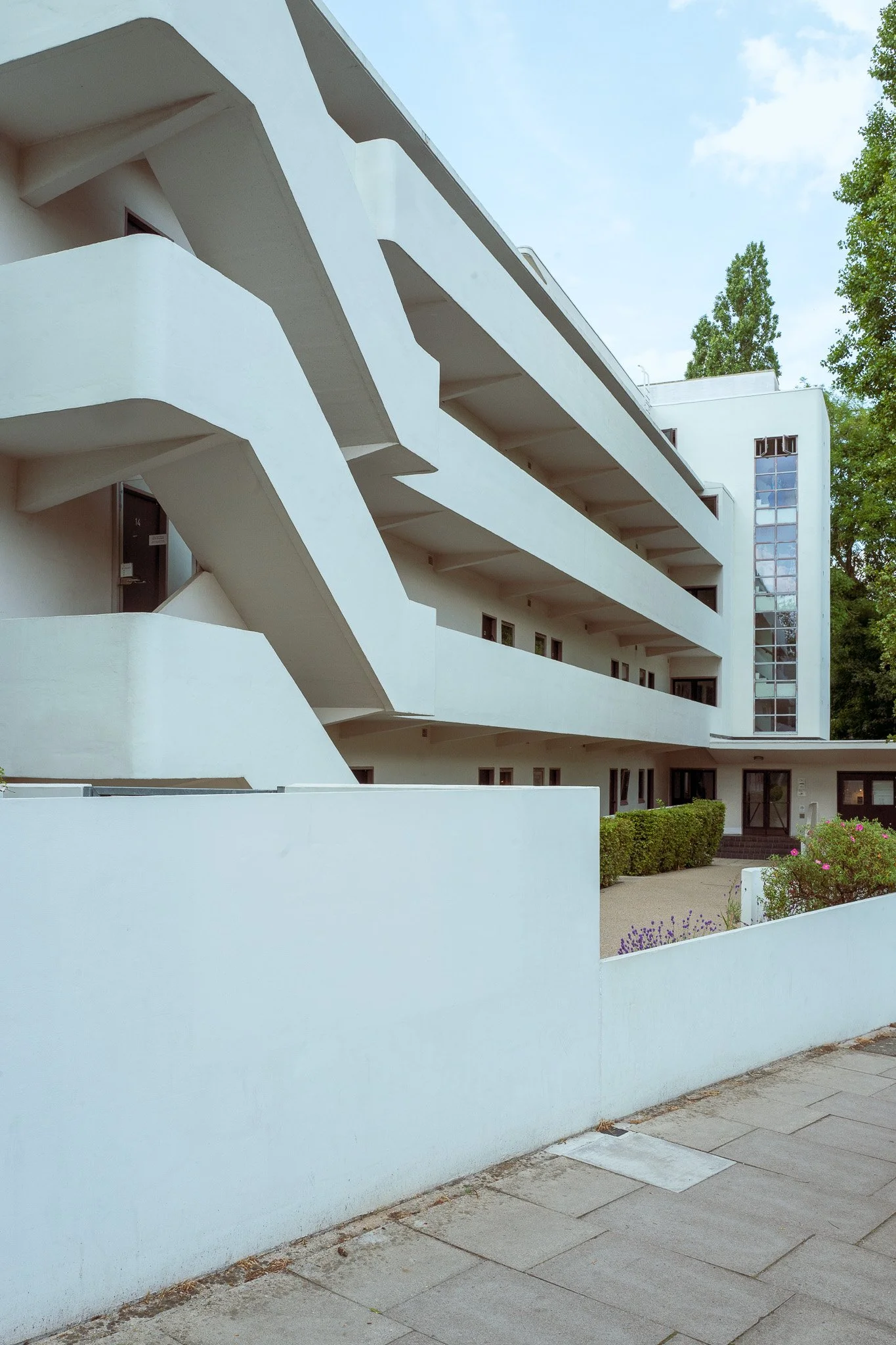
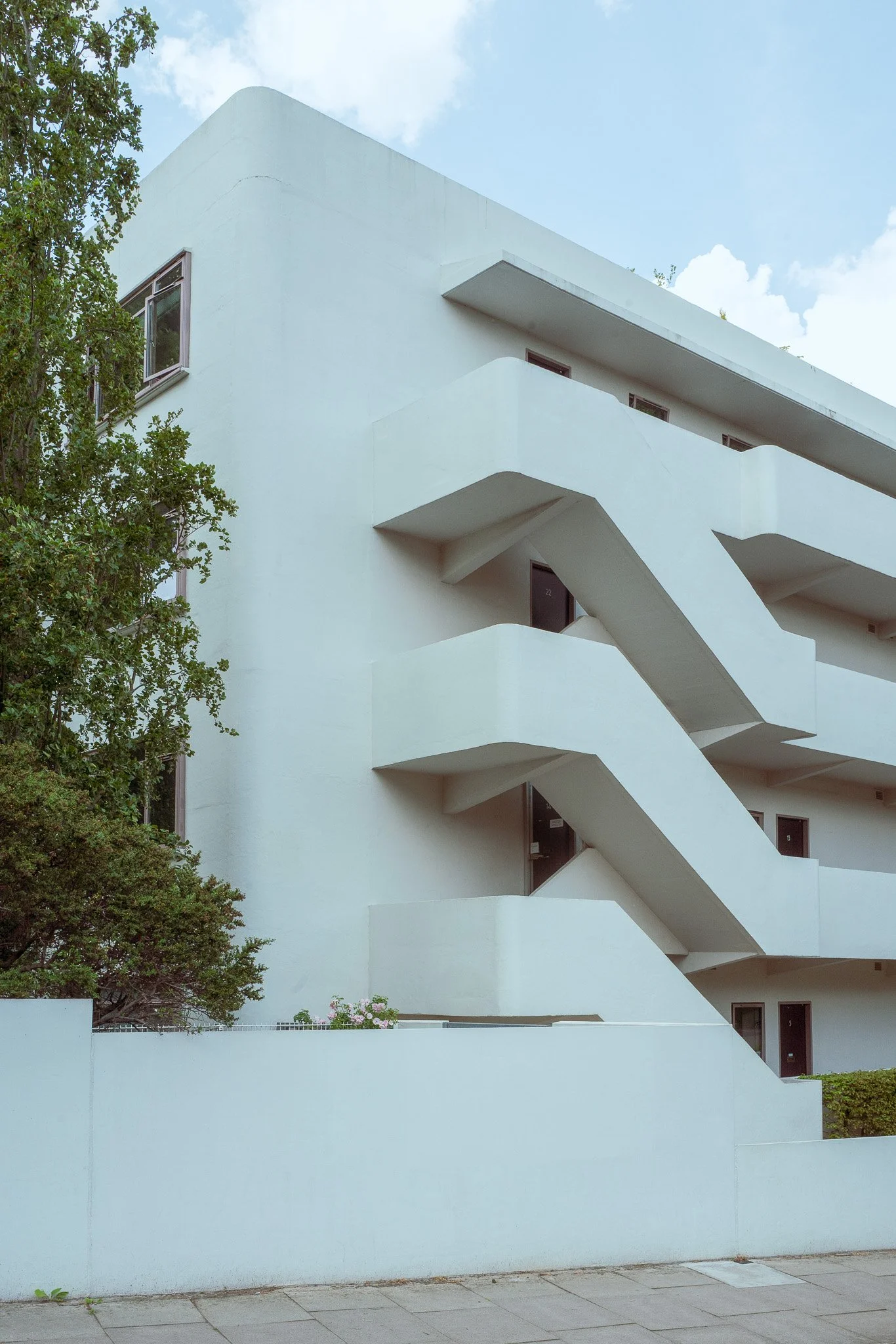
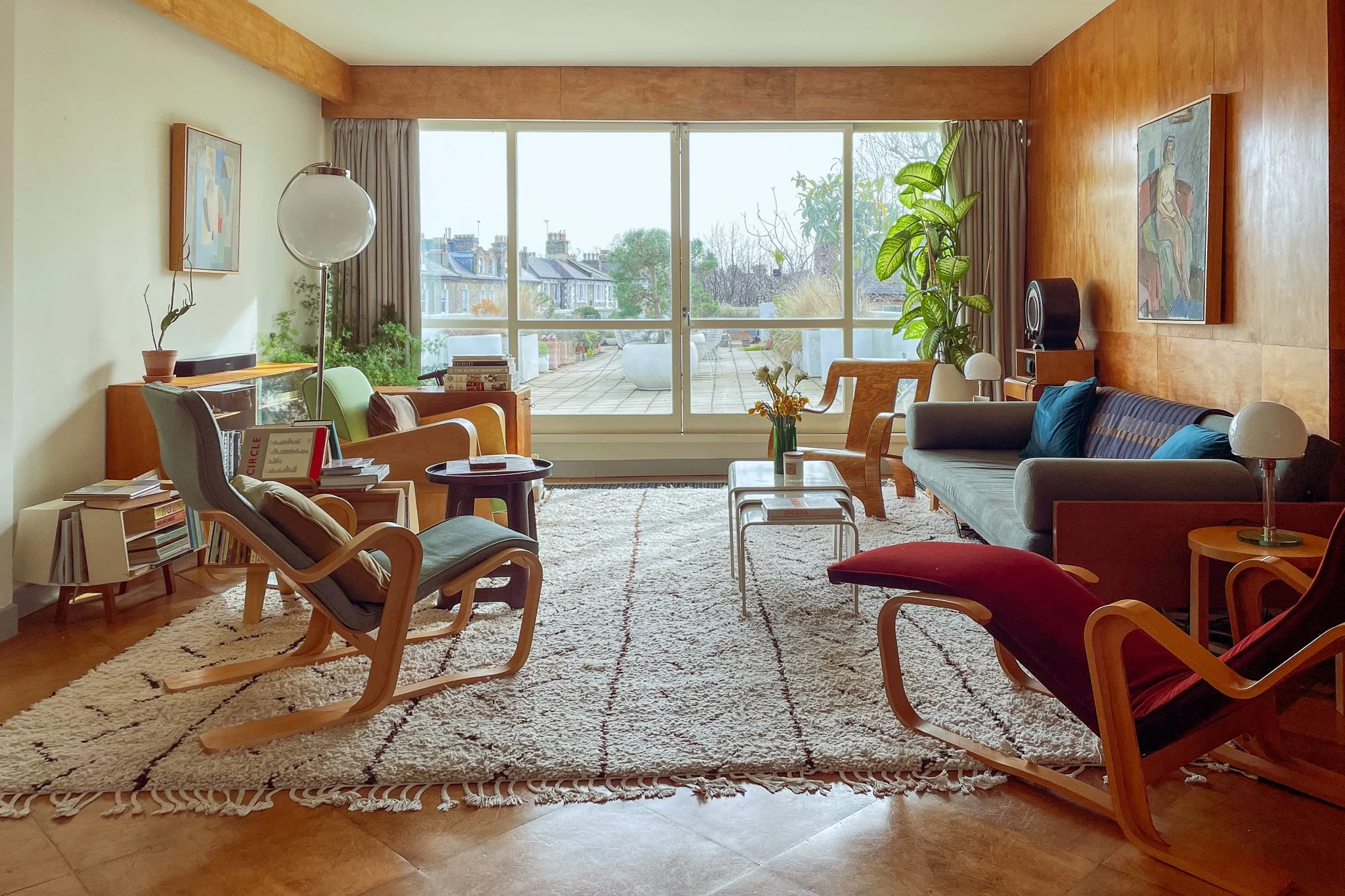
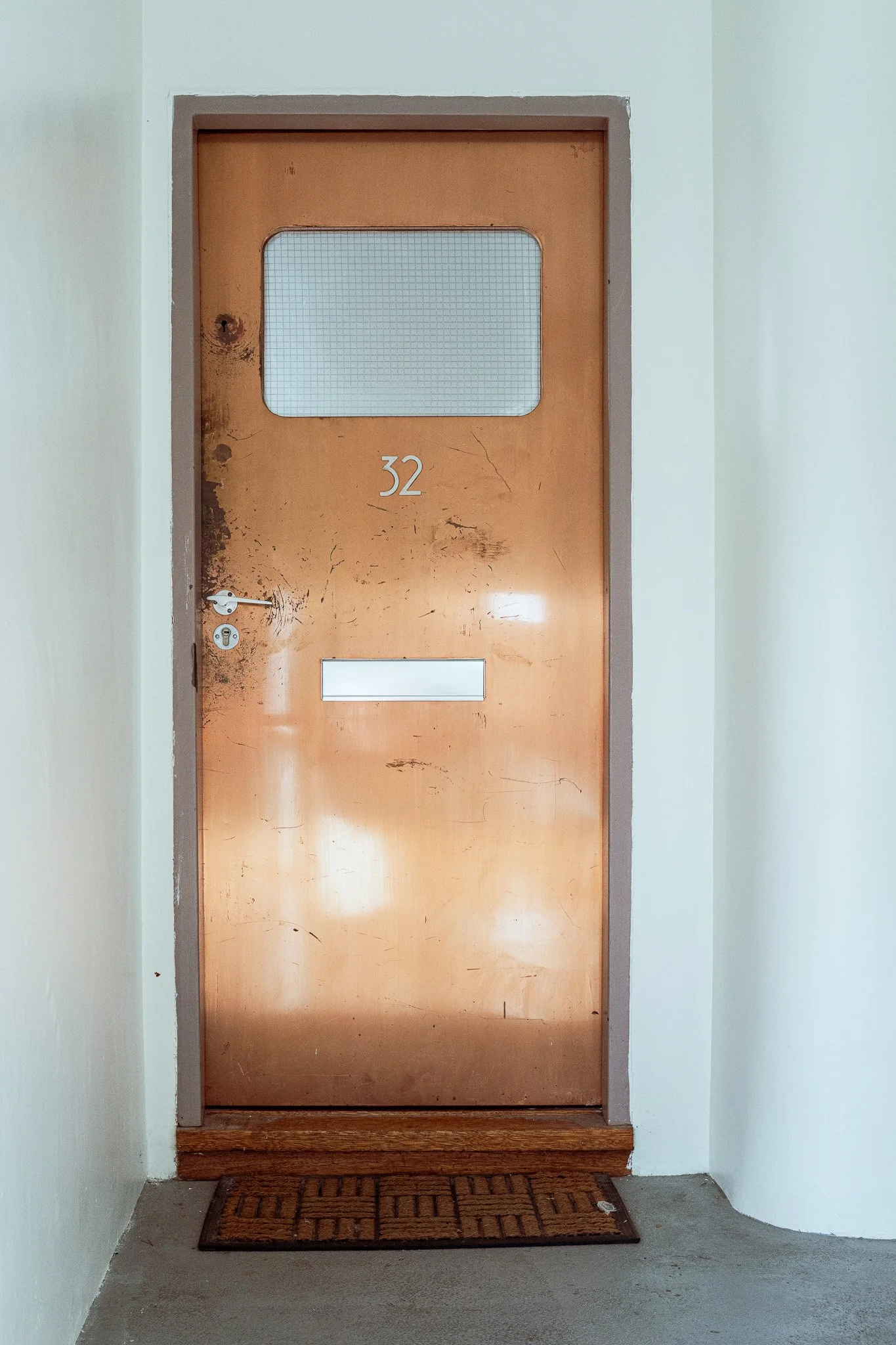
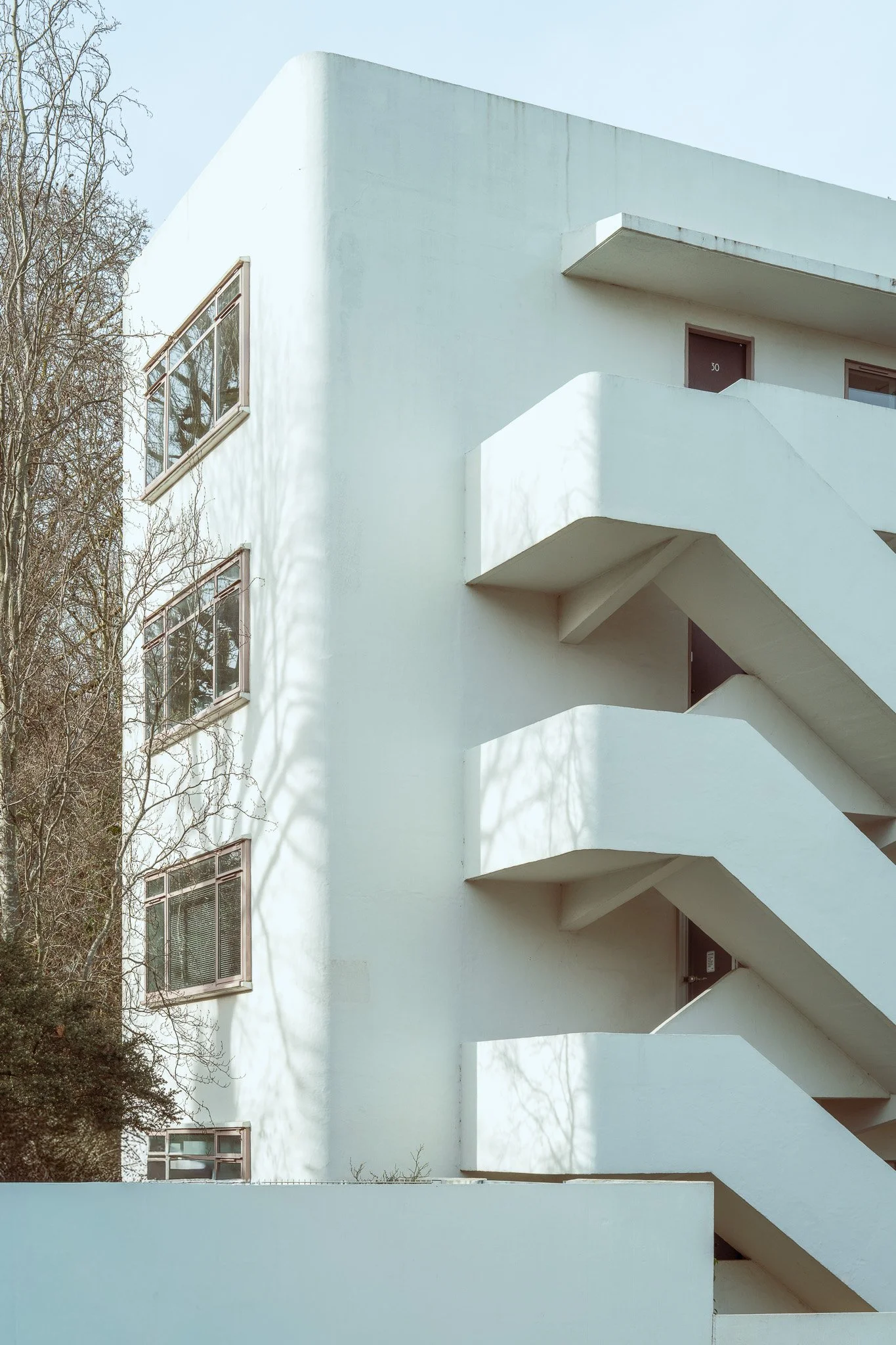
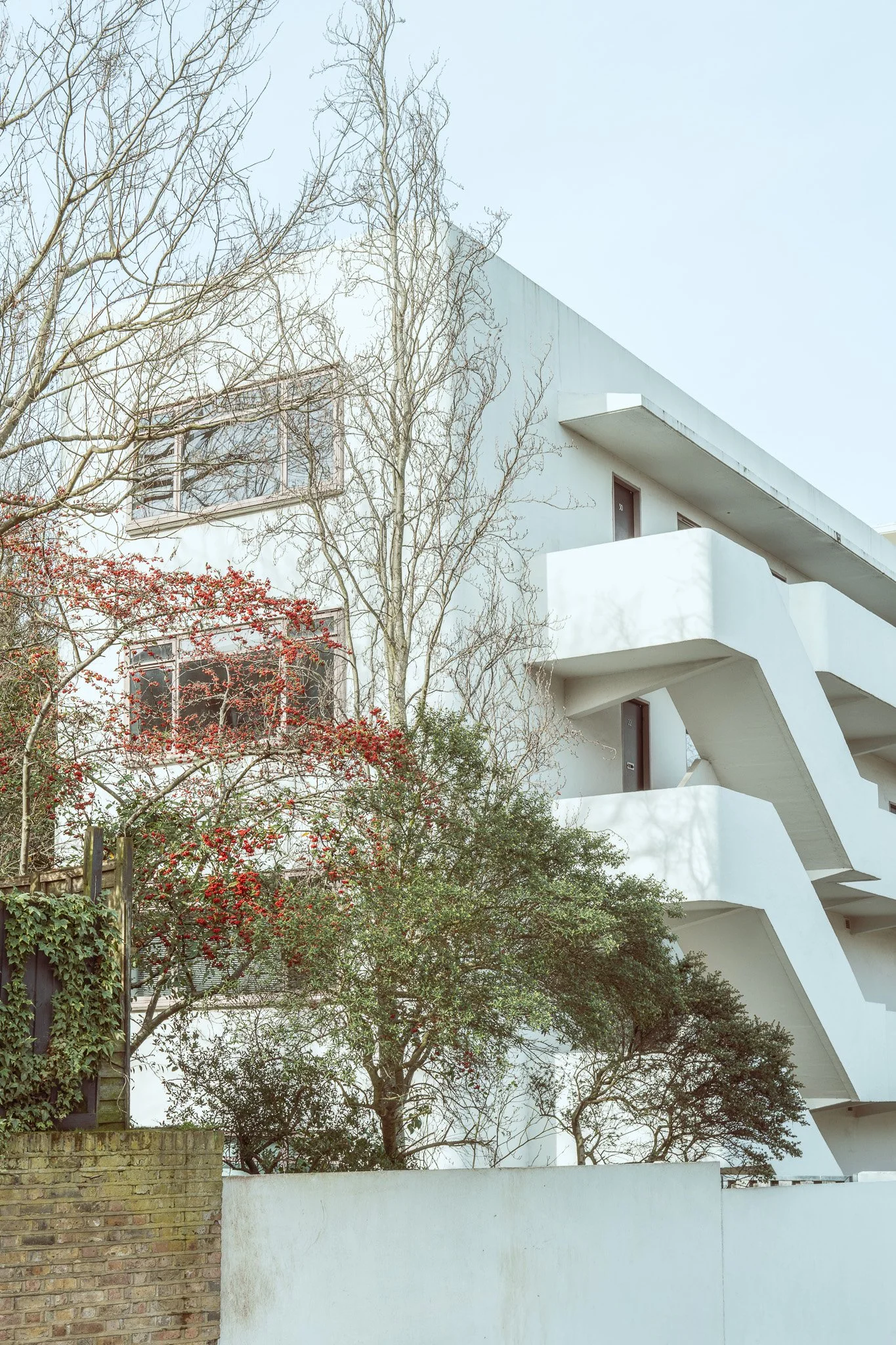
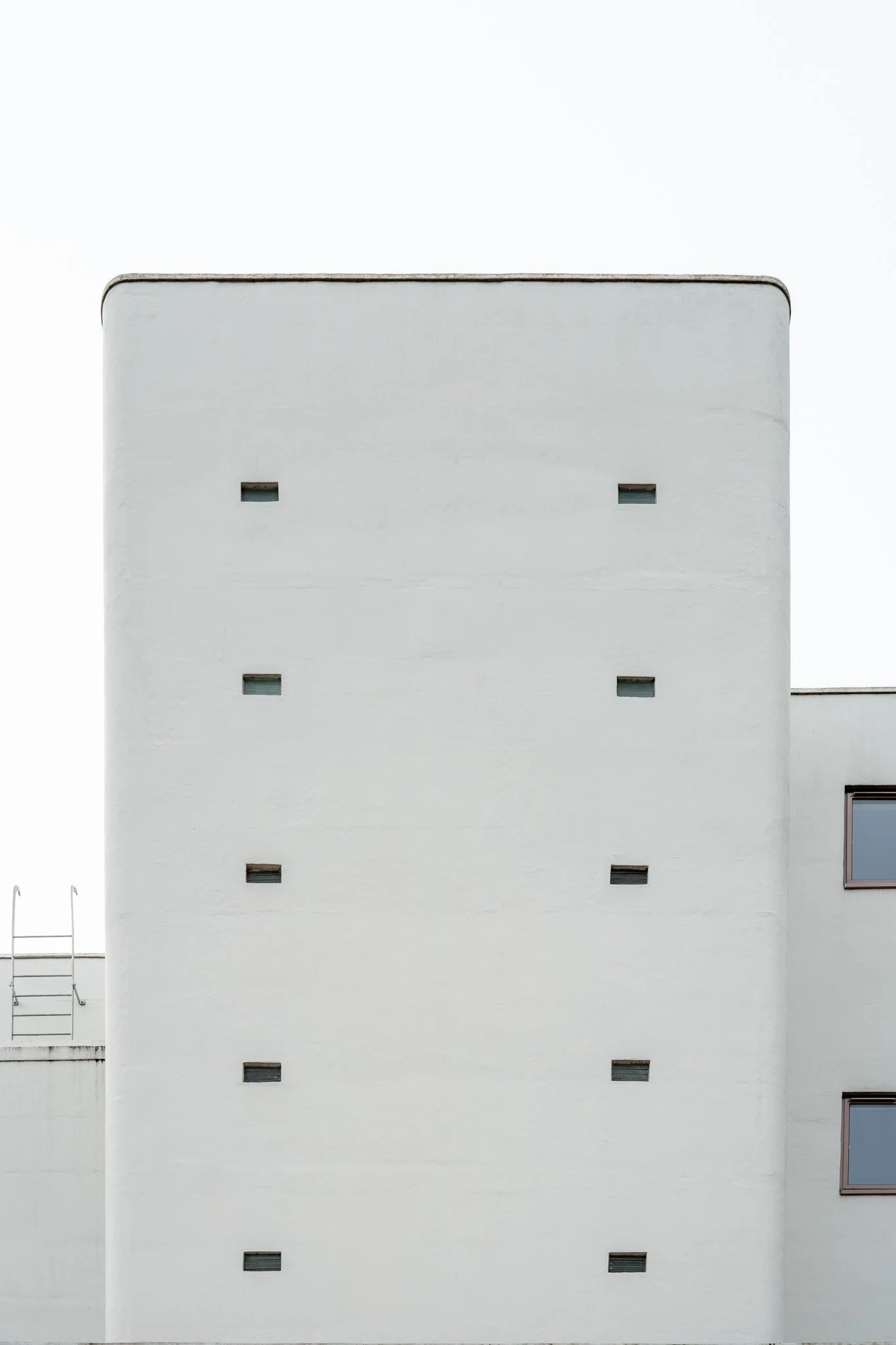
The Lawn Road Flats (also known as Isokon) was designed by Wells Coates for Jack and Molly Pritchard. They had acquired the site on Lawn Road, Belsize Park and were keen to experiment with modern architectural practices and modern ways of living.
This is the first block of flats built in Britain in the International Modern style. It was Grade II listed in1974 and Grade I Listed in 1999.
It is built with monolithic reinforced concrete. Four storeys which contained 22 single flats, four double flats, three studio flats, staff quarters, kitchens and a large garage. The Pritchards and their children lived in two rooftop penthouses.
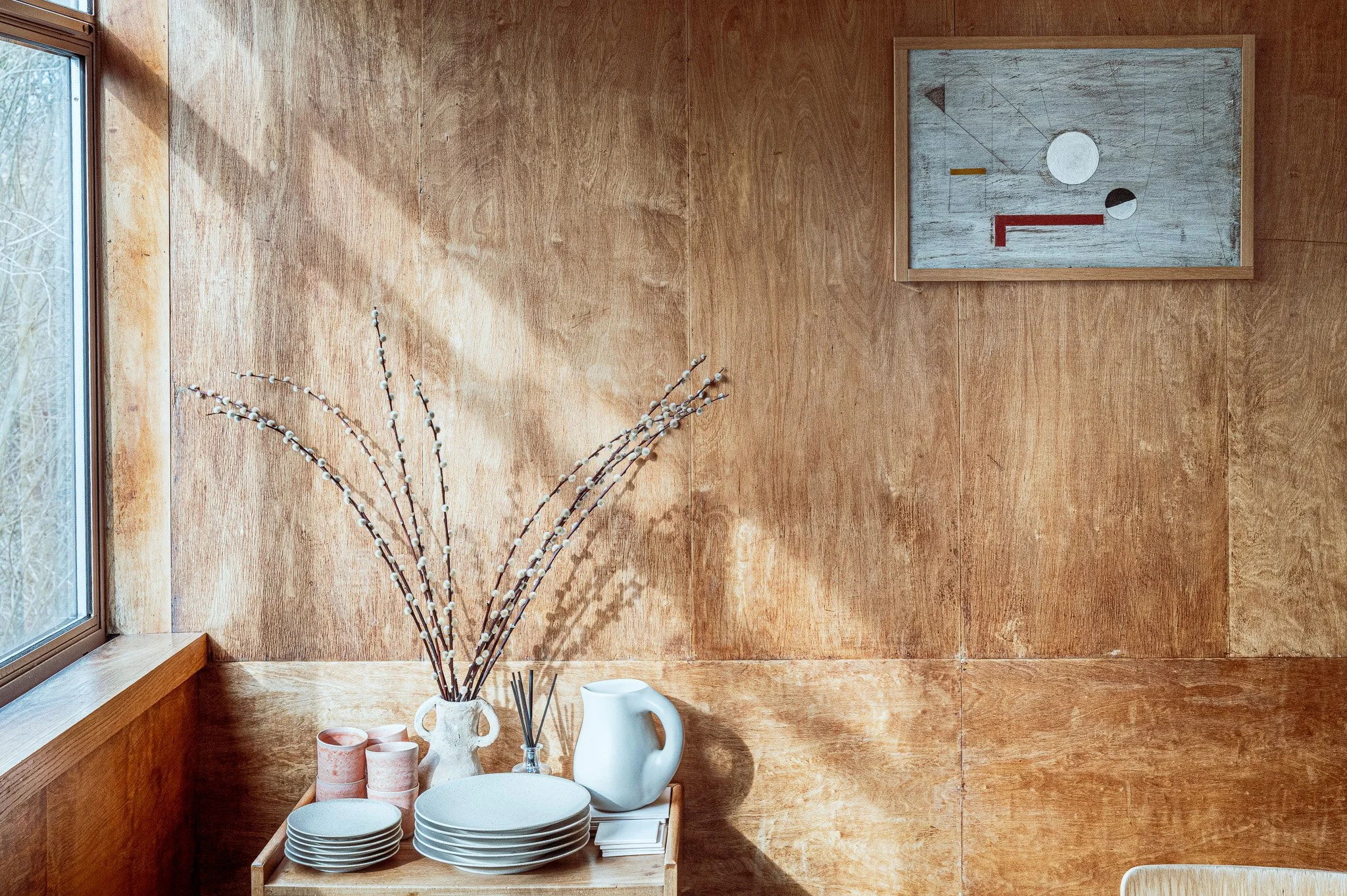
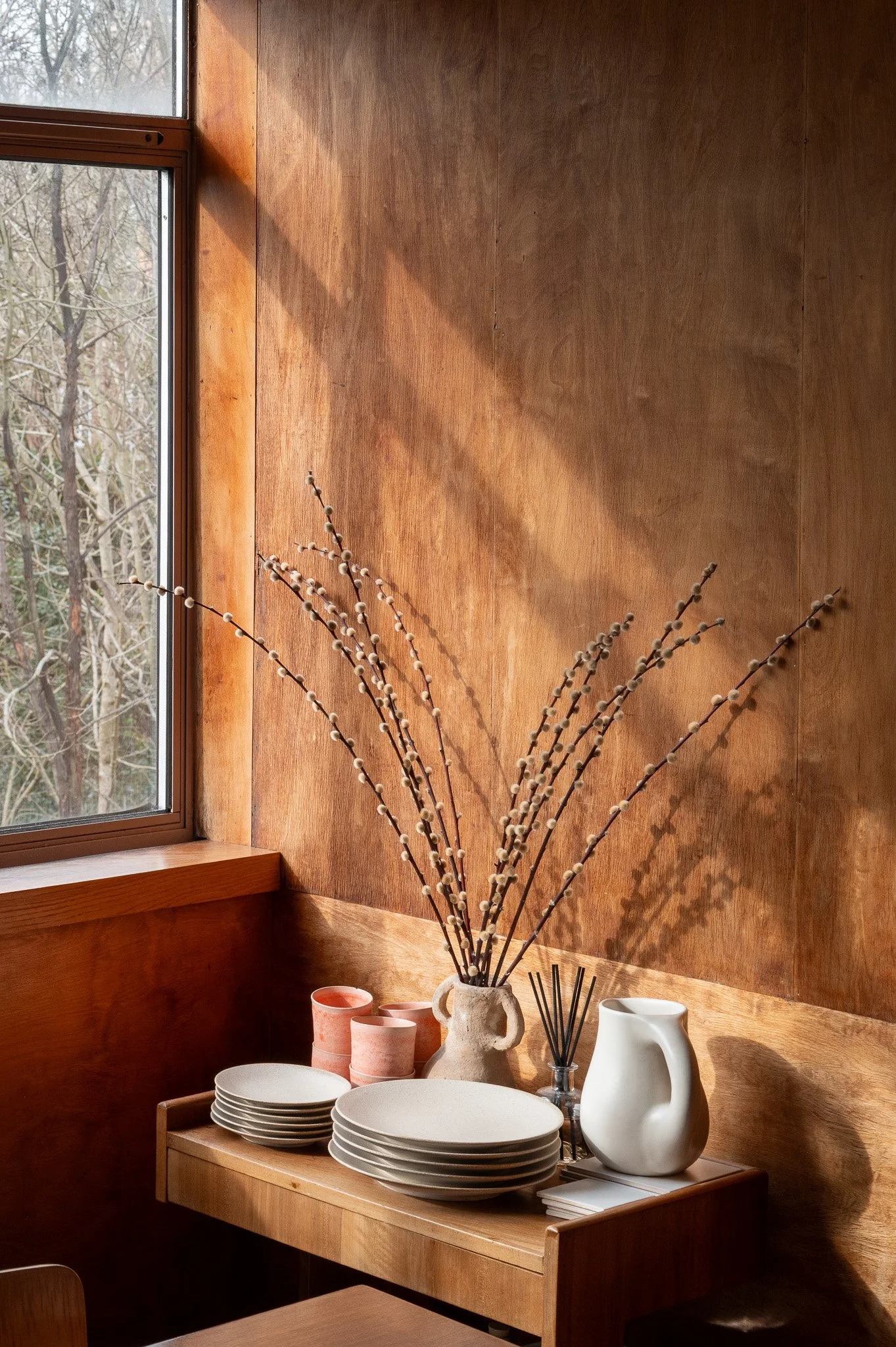
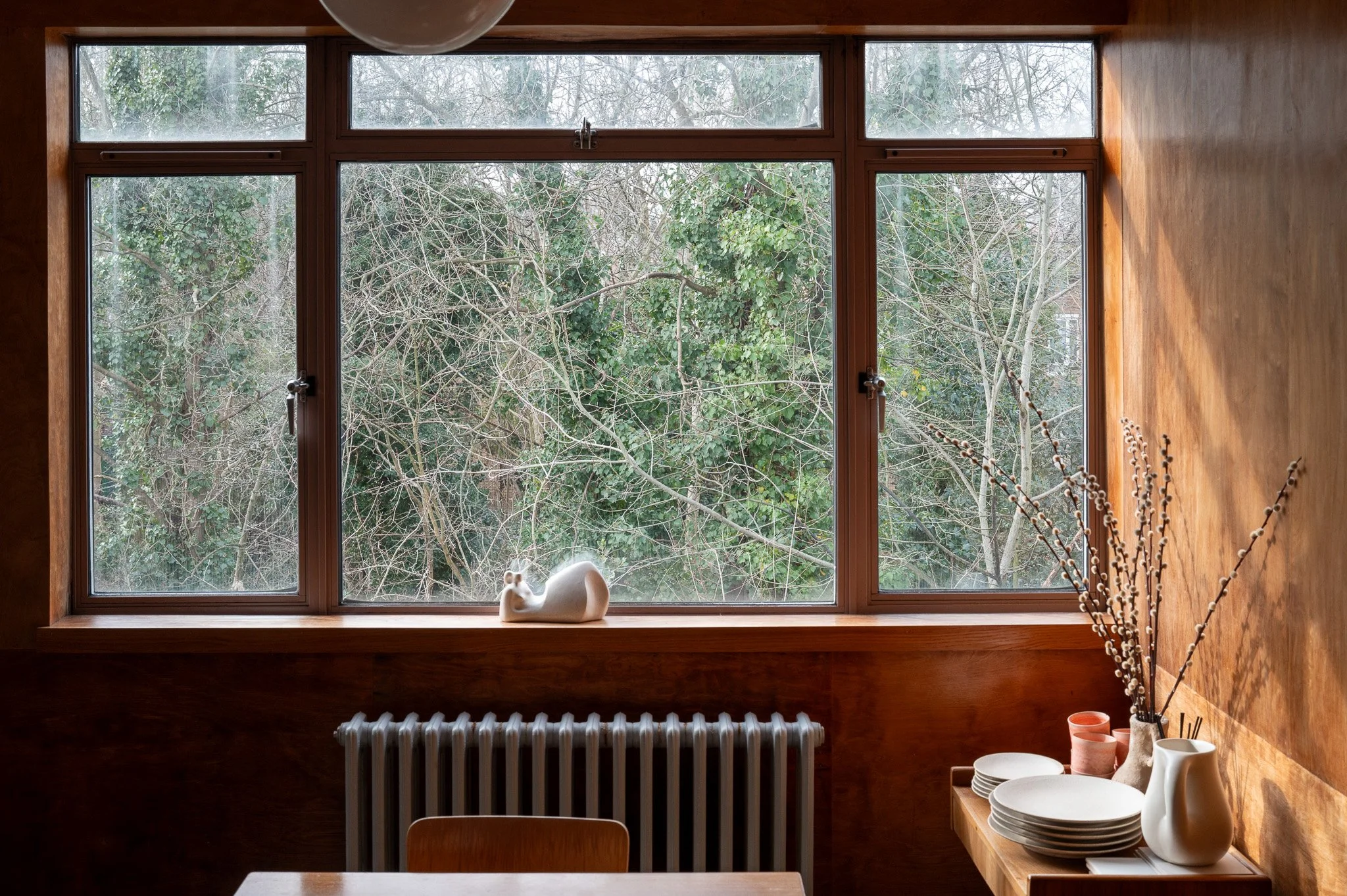
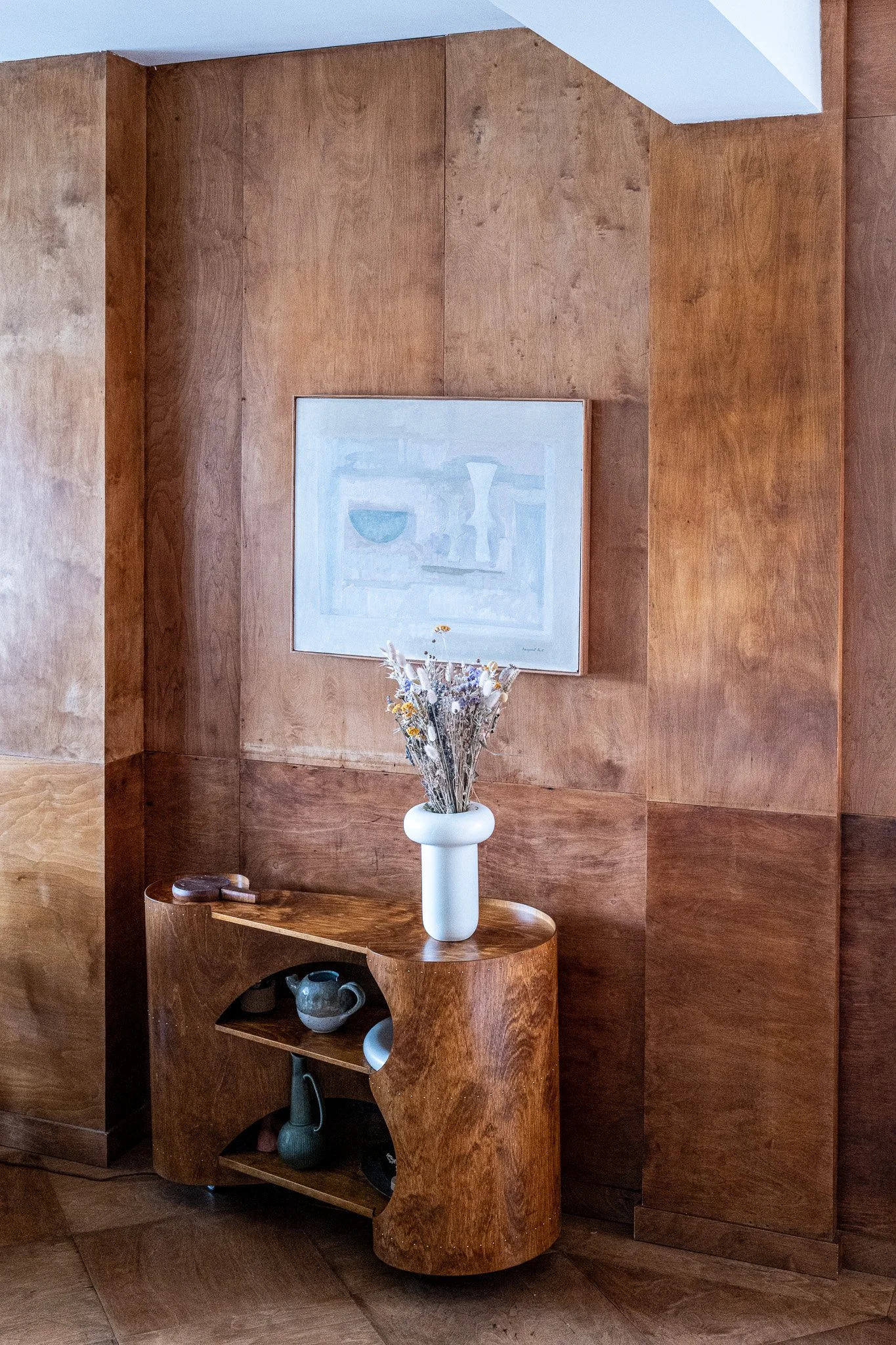
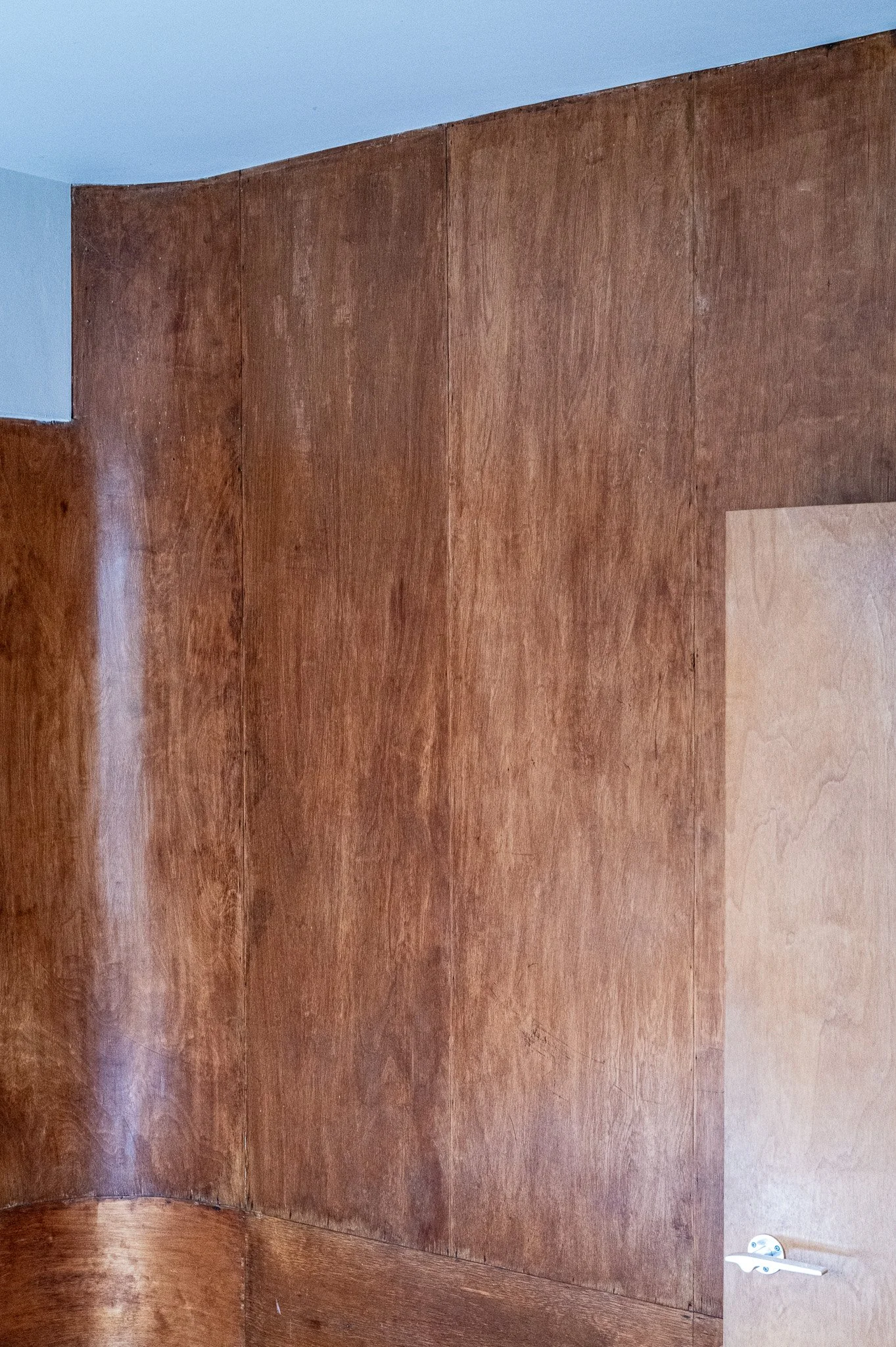
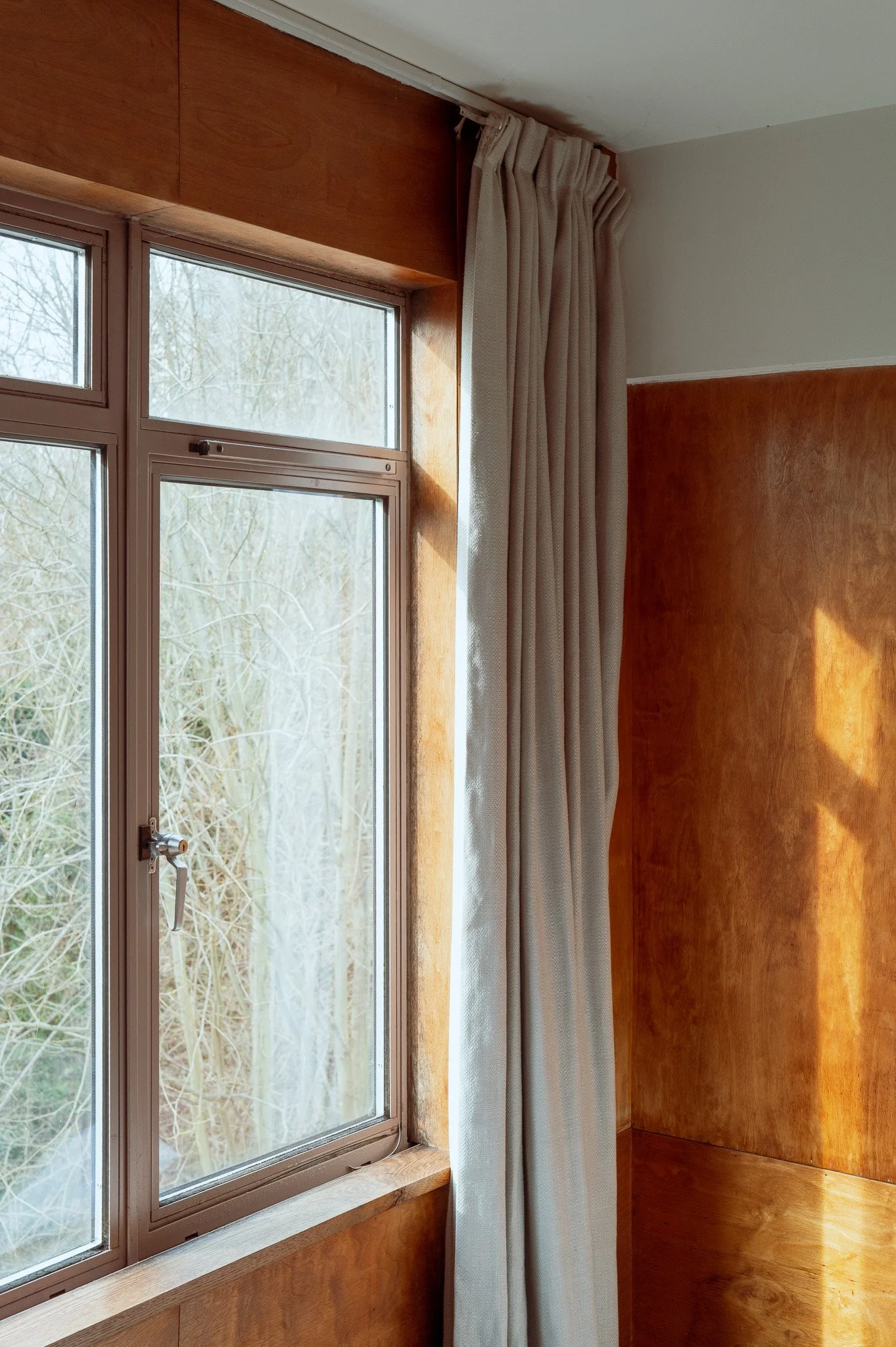
Jack Pritchard was marketing manager for the Estonian plywood company Venesta and so the material was used extensively throughout the interiors.
Communal living
The brief called for furnished flats where residents could live with only a few personal belongings. The studio flats were only 25 sq m which included a small kitchen, a dressing room, bathroom and main living room/ sleeping space.
Wells Coates brought a distinctive set of skills to the Isokon Building. Before designing the flats, he had worked on the production studios on the sixth and seventh floors of Broadcasting House, completed in 1932. Fitting out ten compact studios gave him an expertise in making small spaces work efficiently. The studios at Broadcasting House were fitted in laminated wood with tubular steel fittings, materials that carried directly into the Isokon interiors two years later. He also designed sailing boats, which sharpened this same instinct for compact living.
A dumbwaiter ran through the spine of the building delivering meals from the communal kitchen below. Laundry, bed-making and shoe-polishing were provided on site.
The Isobar
In 1937 Marcel Breuer and F.R.S. Yorke converted the communal kitchen into the Isobar restaurant and club. It became an informal salon for architects, artists and writers. Its manager was Philip Harben who became the first celebrity chef at the BBC. Regulars included Henry Moore, Barbara Hepworth and Ben Nicholson.
Notable residents
The Bauhaus founder, Walter Gropius and teachers, Marcel Breuer and László Moholy-Nagy, all fled Nazi Germany and moved in. In the late 1930s residents included Soviet intelligence agents (Flat 7 was occupied by NKVD officer Arnold Deutsch, who recruited the Cambridge Five). Other notable residents include Agatha Christie (between 1941–47), author of The Cruel Sea, Nicholas Monsarrat, and architects Egon Riss, Arthur Korn and James Stirling.
Isokon Furniture Company
The company was founded by Jack Pritchard in 1931. The name came from Isometric Unit Construction. Pritchard's day job at Venesta, an Estonian plywood importer, shaped the company's identity from the start.
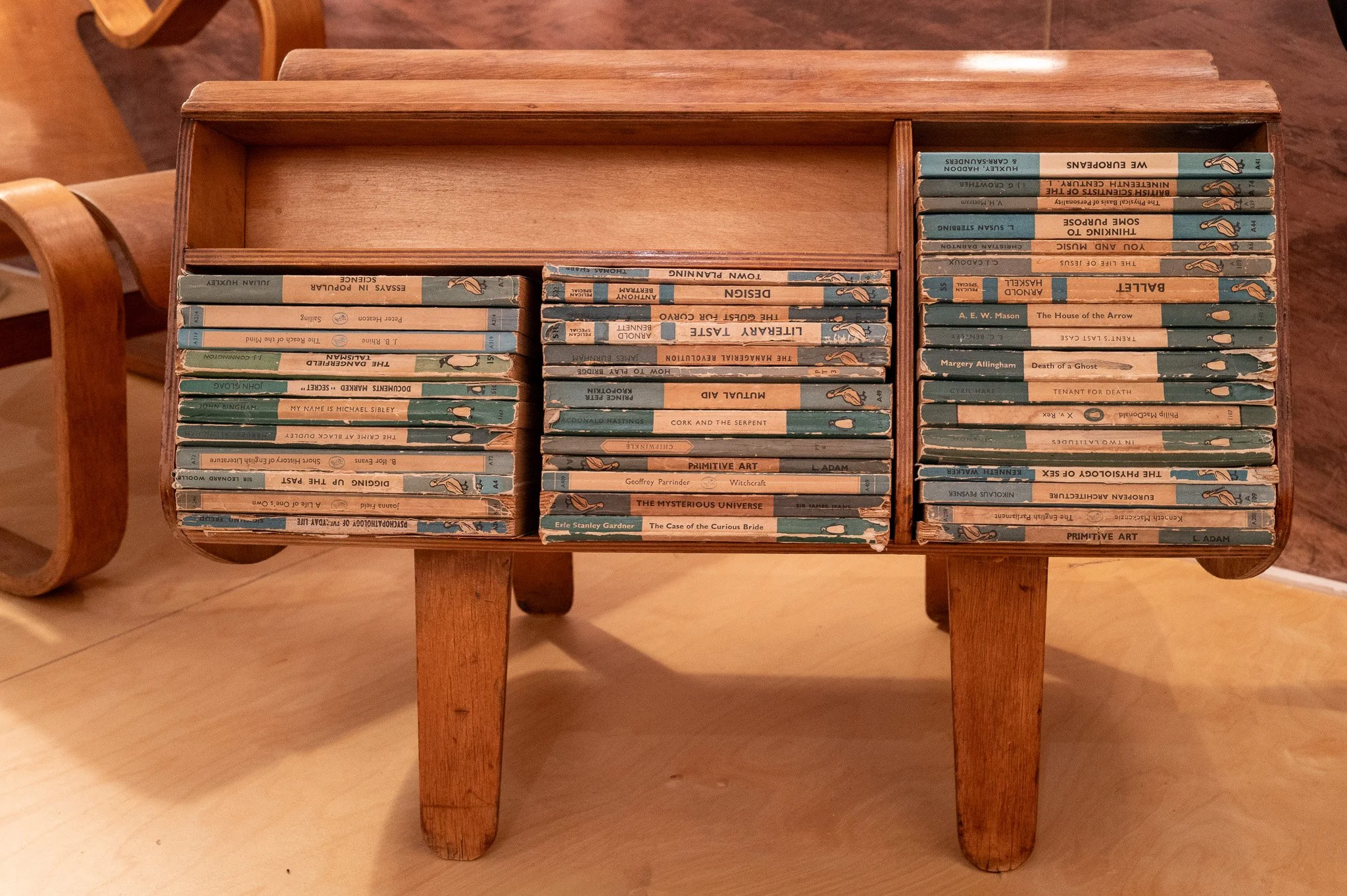
In return for free rent, Walter Gropius became Controller of Design in 1935. When he left to become Professor of Architecture at Harvard, he recommended Marcel Breuer to replace him. Breuer designed the Long and Short Chair, nesting tables and dining furniture. László Moholy-Nagy designed the marketing and the company logo. Egon Riss designed the Penguin Donkey bookcase in 1939.
The company closed in 1939 as the supply of Estonian plywood was halted after the Soviets invaded the Baltic states.
In 1982 Chris McCourt of Windmill Furniture took over the licence. The designs remain in production today under the Isokon Plus name
Later history
During the Second World War it was feared that its distinctive white may be a useful navigation aid for the Luftwaffe and so it was painted brown.
Jack Pritchard sold the building to the New Statesman magazine in 1969 and they sold it to Camden Council in 1972. The building deteriorated and stood derelict through the 1990s. It was restored by Avanti Architects for Notting Hill Housing Group and reopened in 2004. The 36 flats are occupied mainly by key workers on a shared ownership basis.
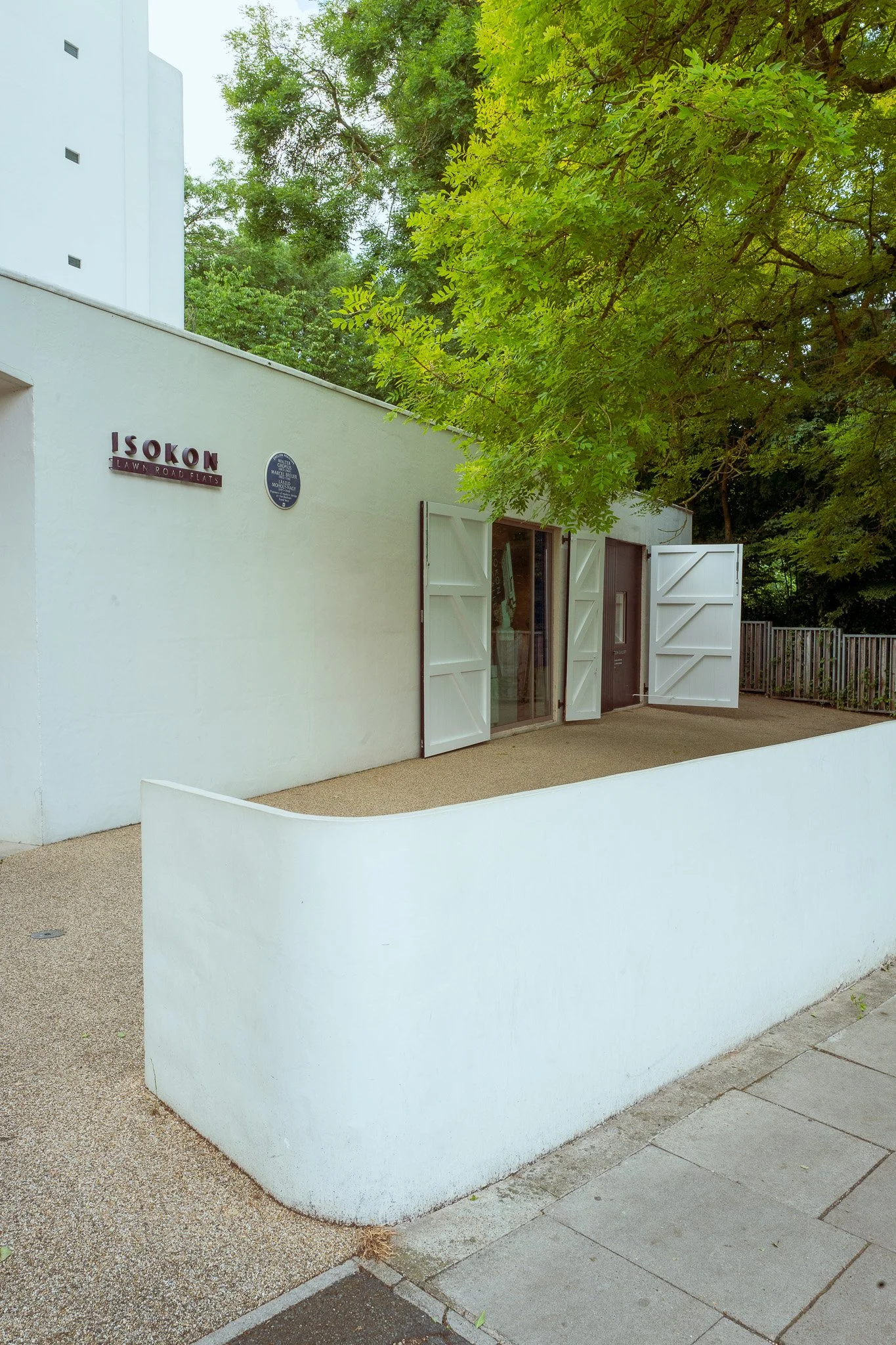
The Isokon Gallery opened in the old garages in 2014. It has a fascinating permanent exhibition which includes original items of furniture and is open 11am to 4pm on Saturdays and Sundays between March and October.
I was lucky enough to join a tour organised by the Twentieth Century Society in February 2026 which included a rare visit inside one of the penthouse flats. The owner generously allowed us to take photos.