Bauhaus, Dessau
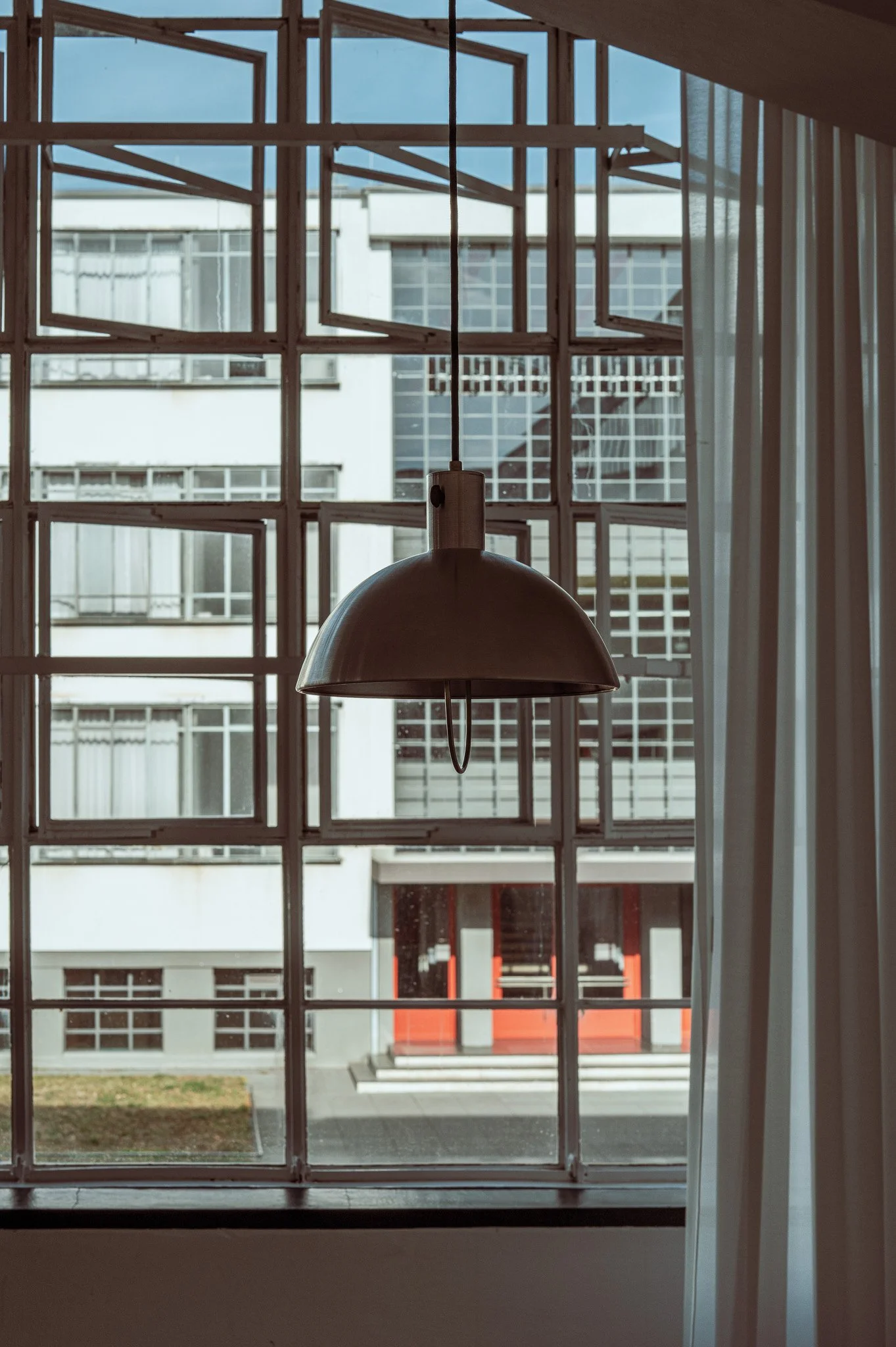
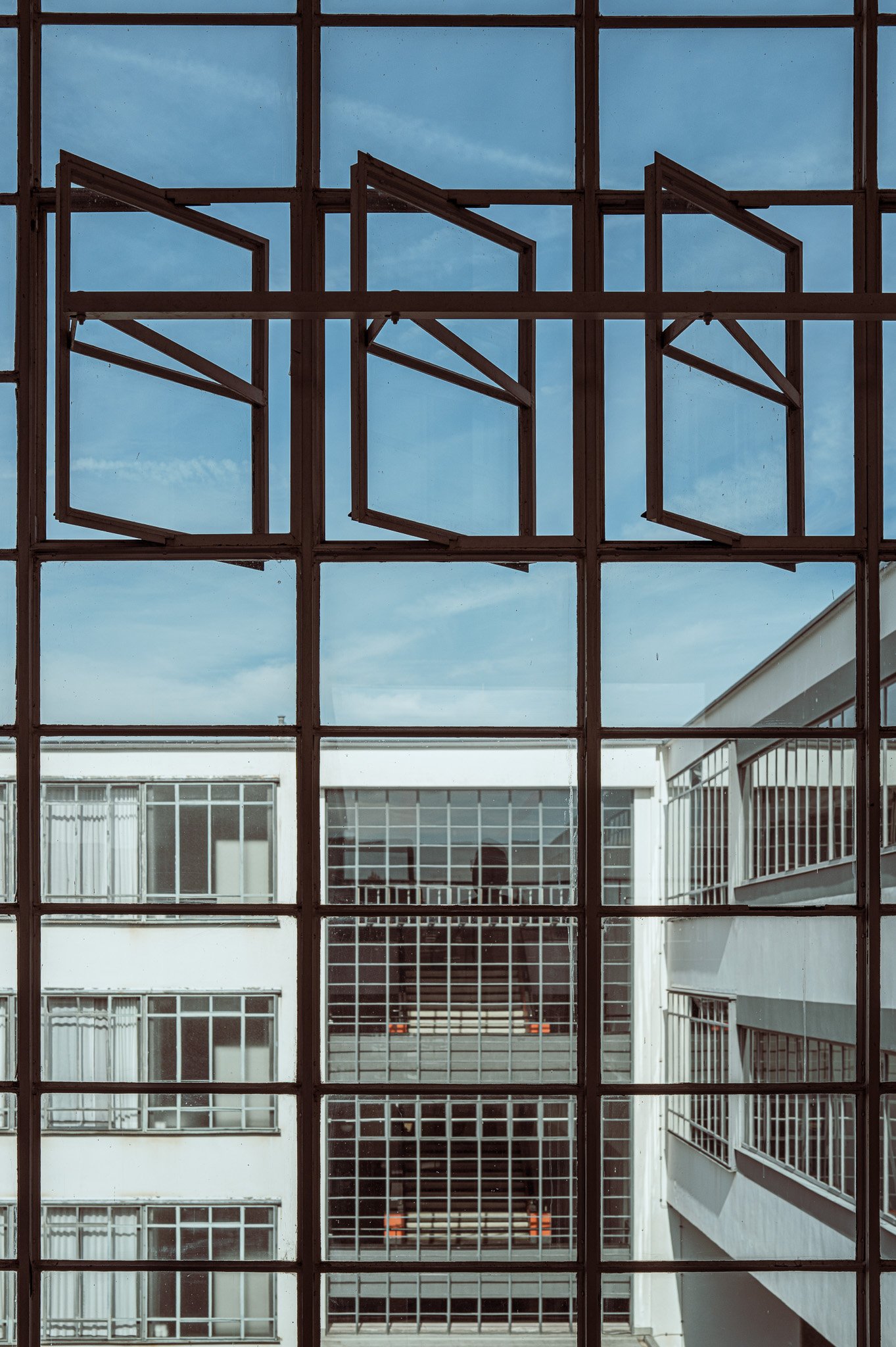
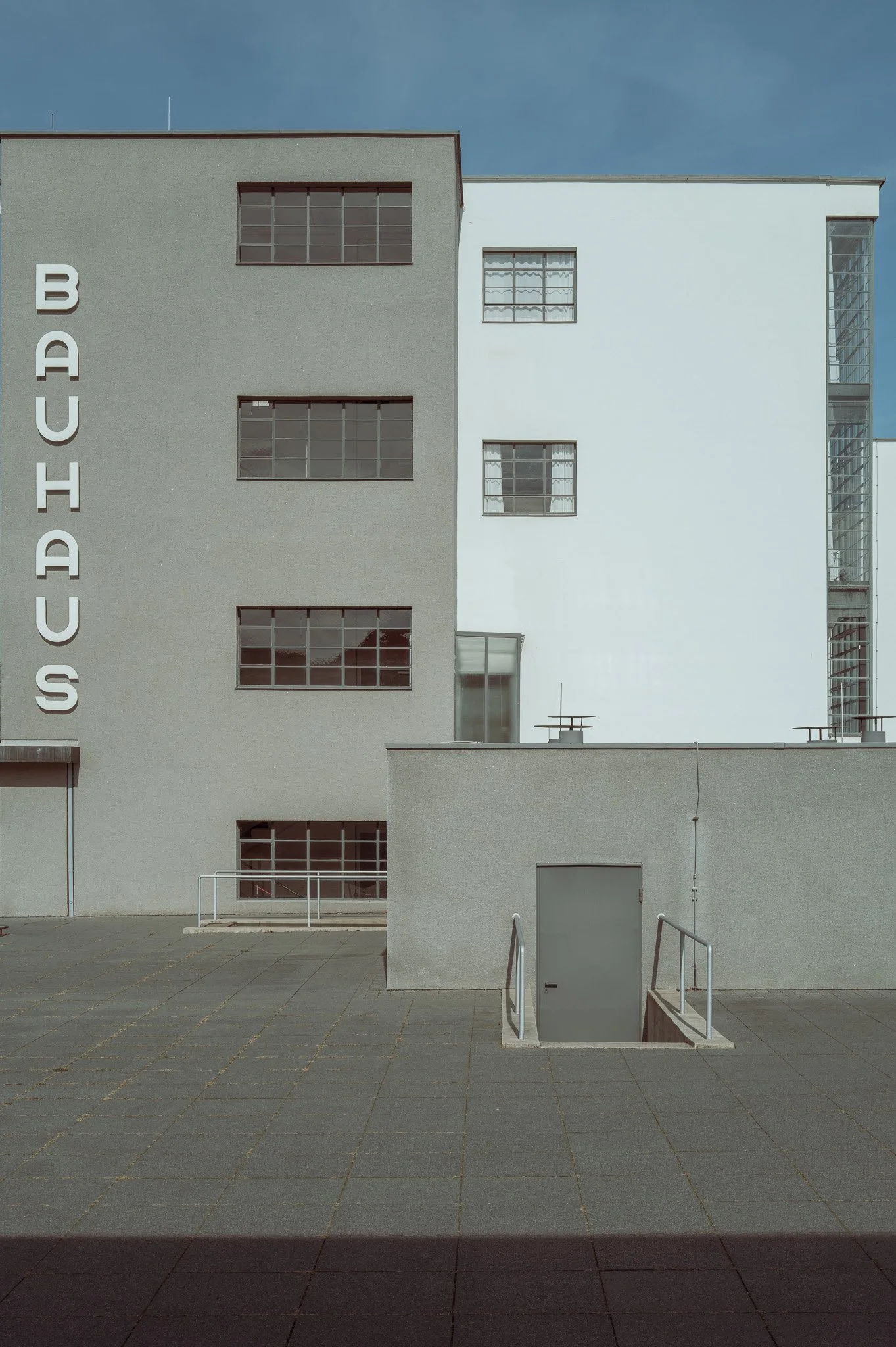
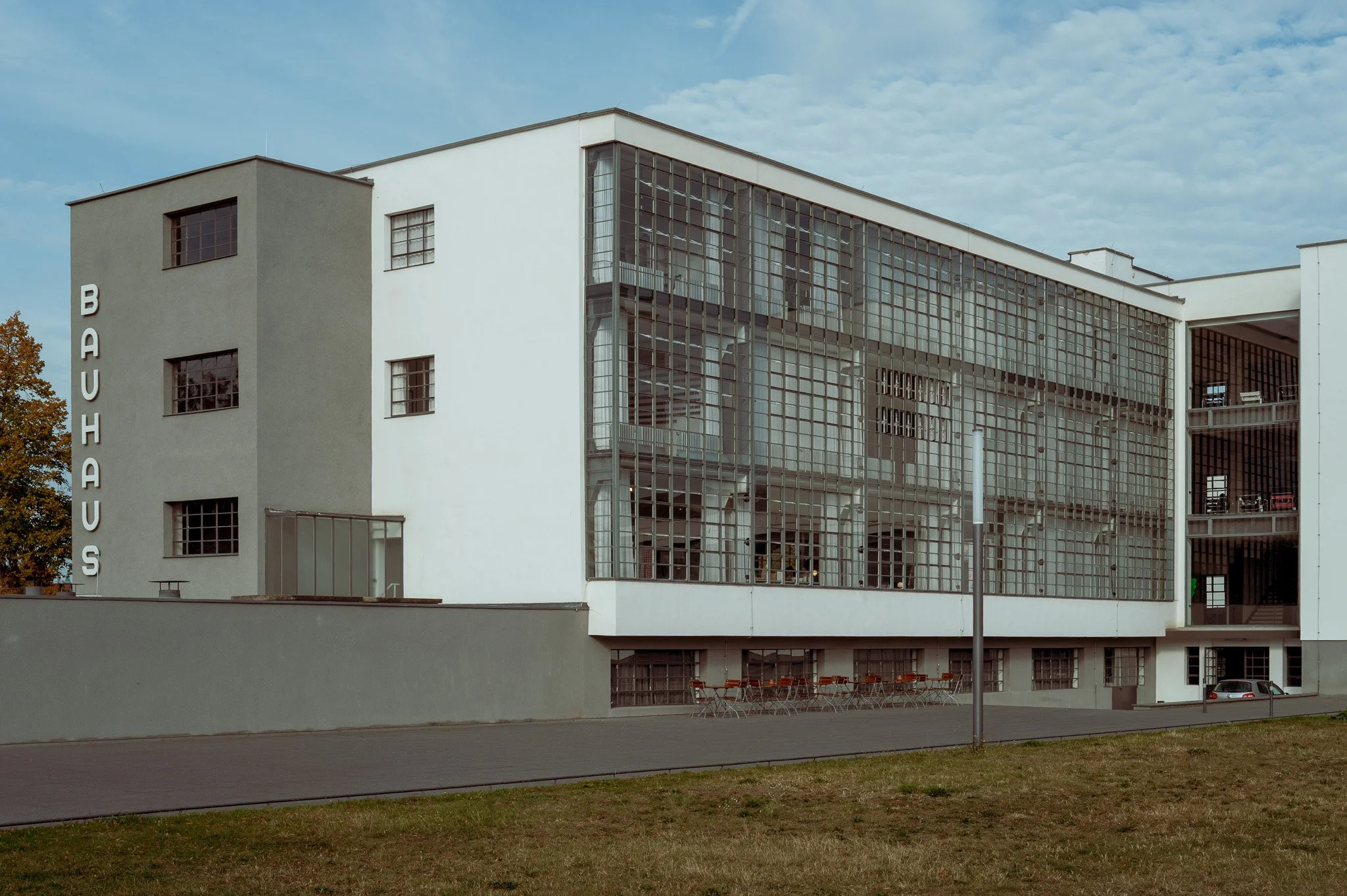
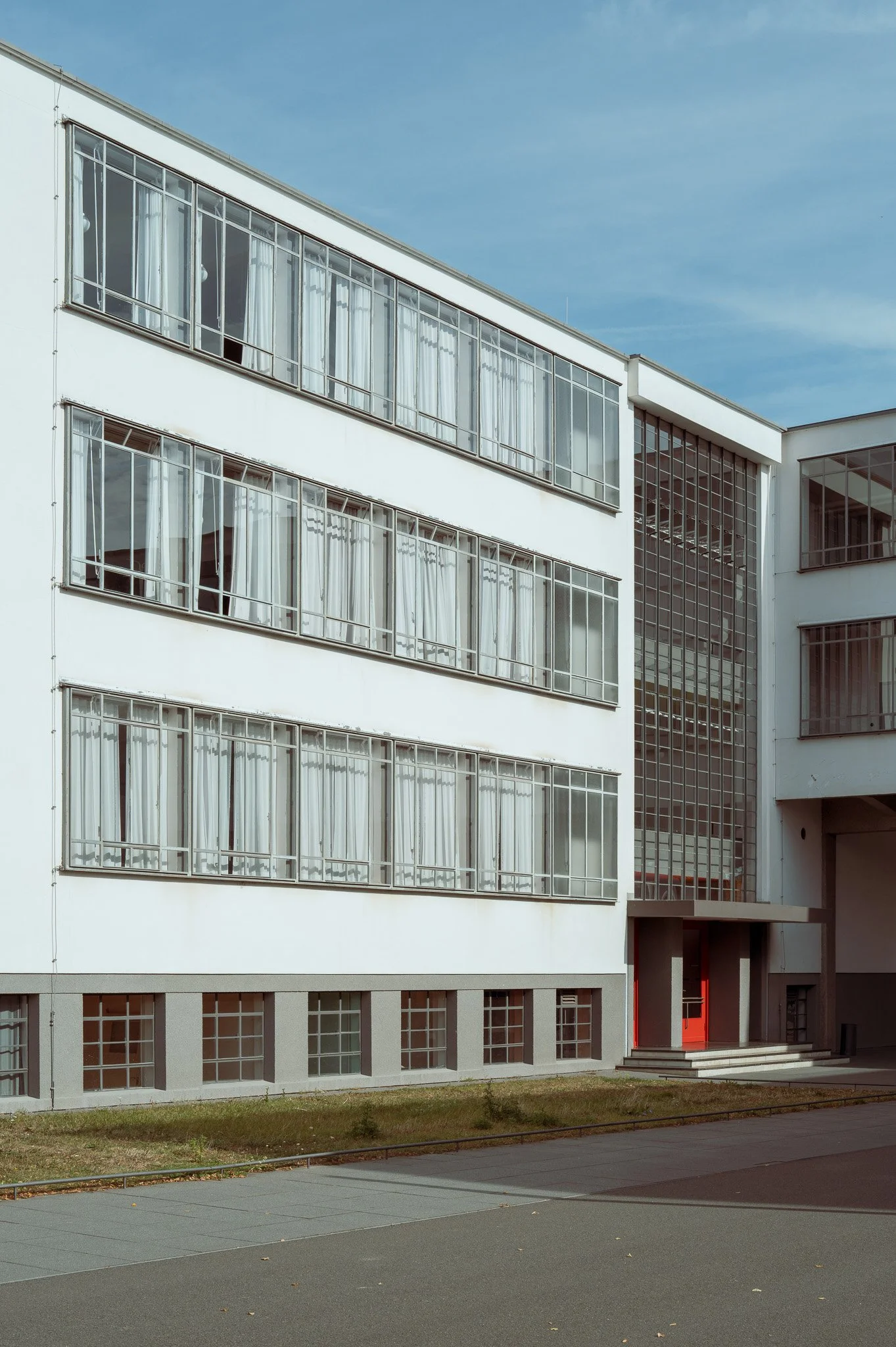
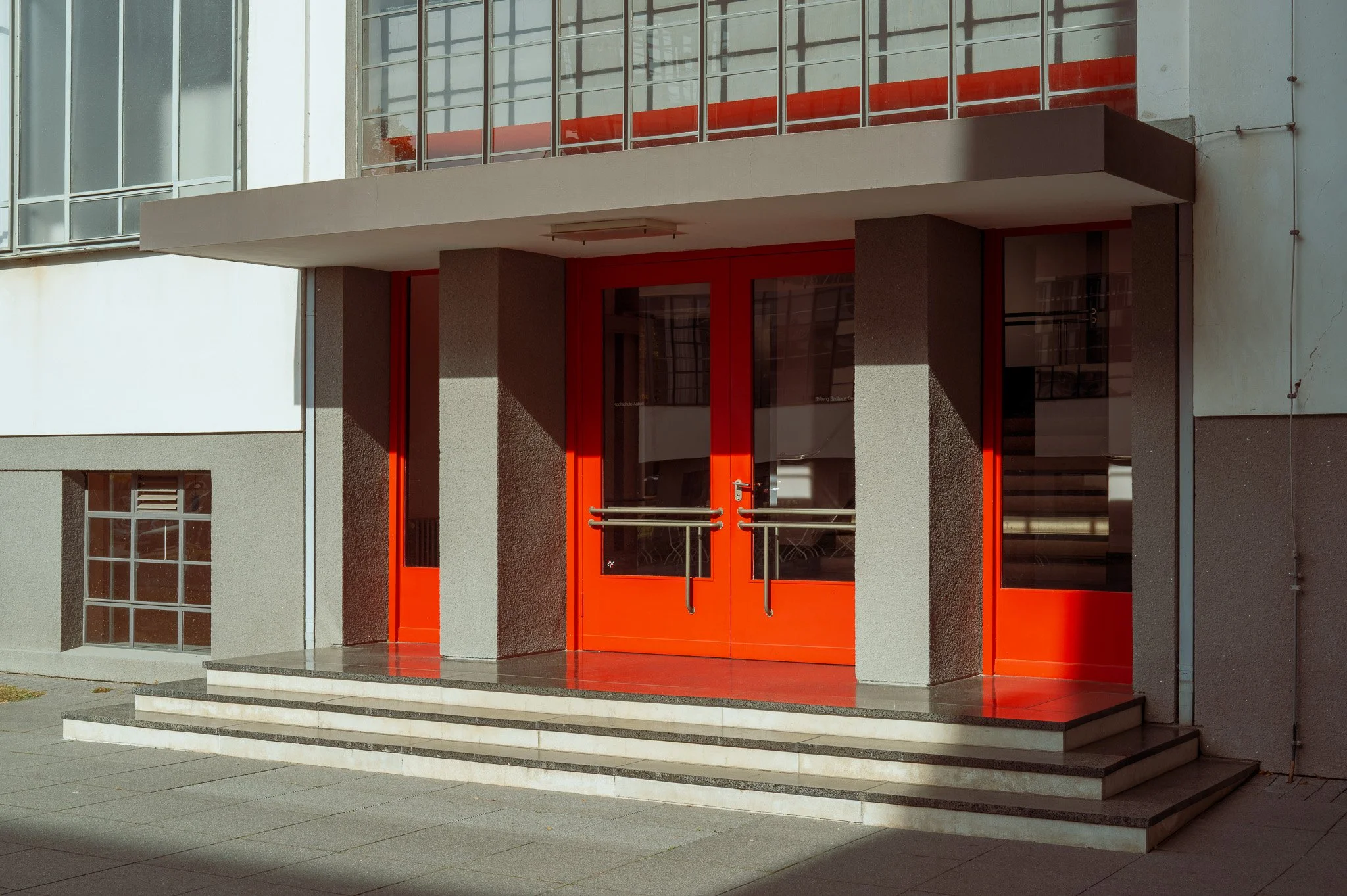
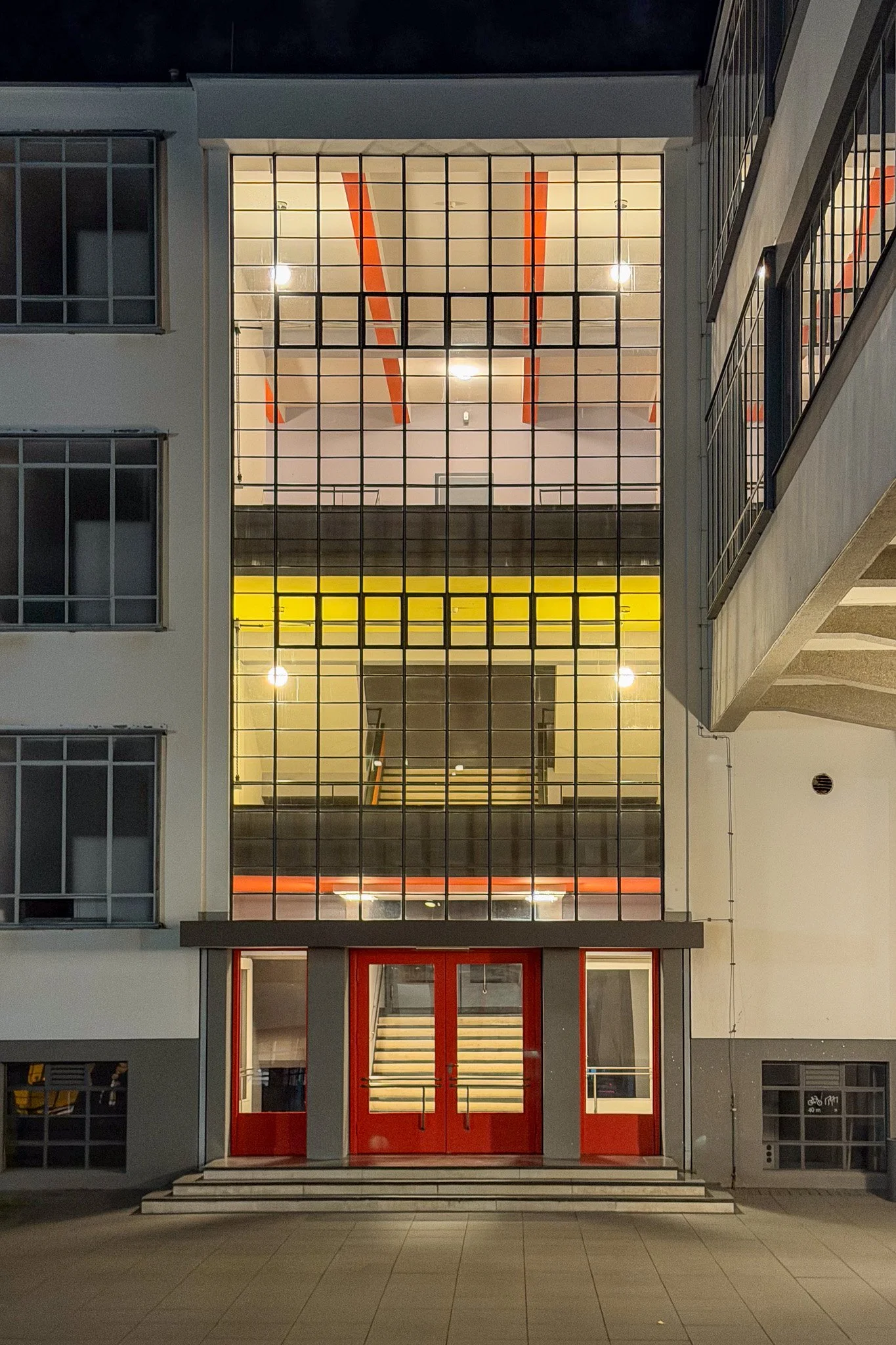
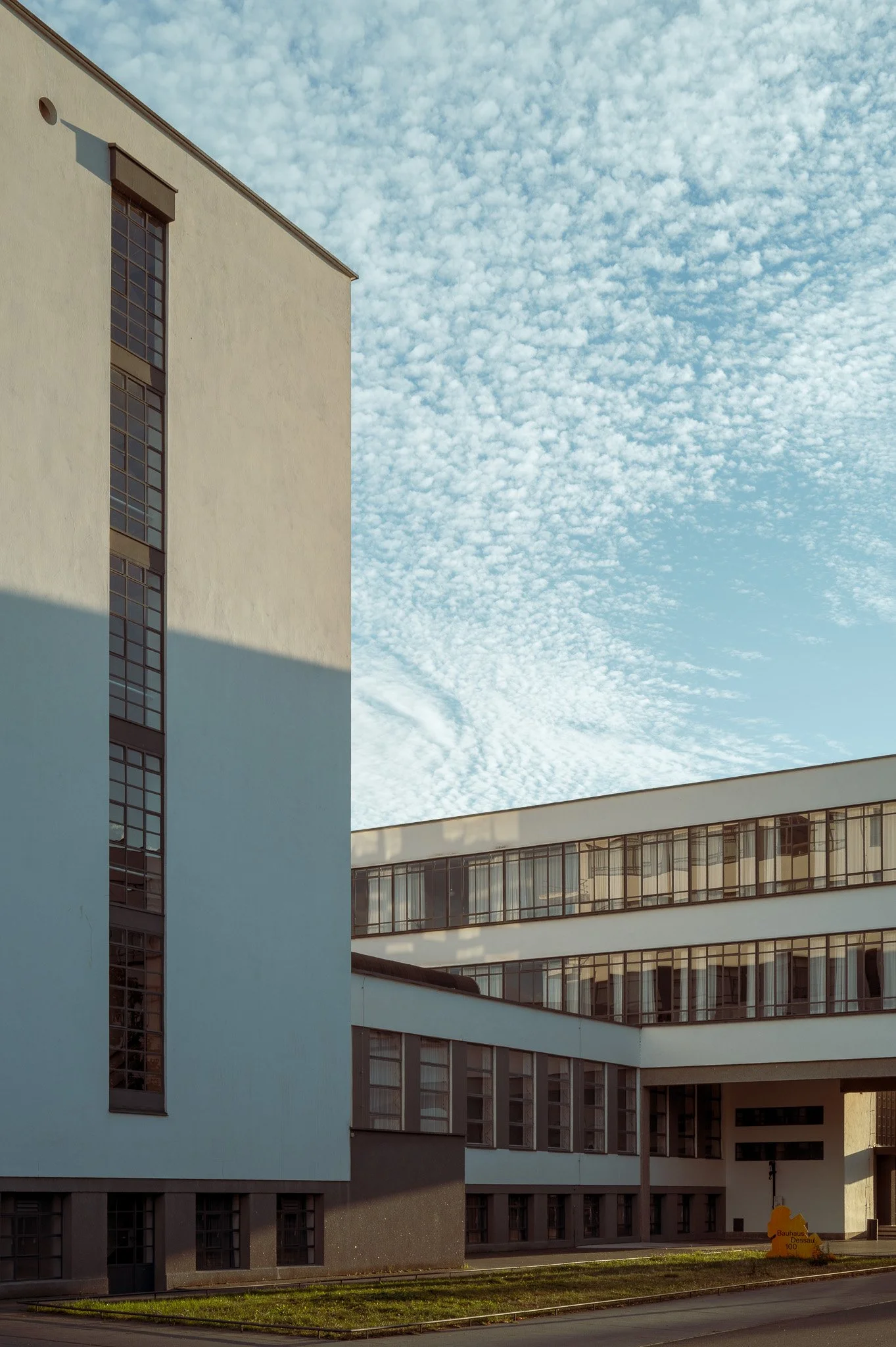
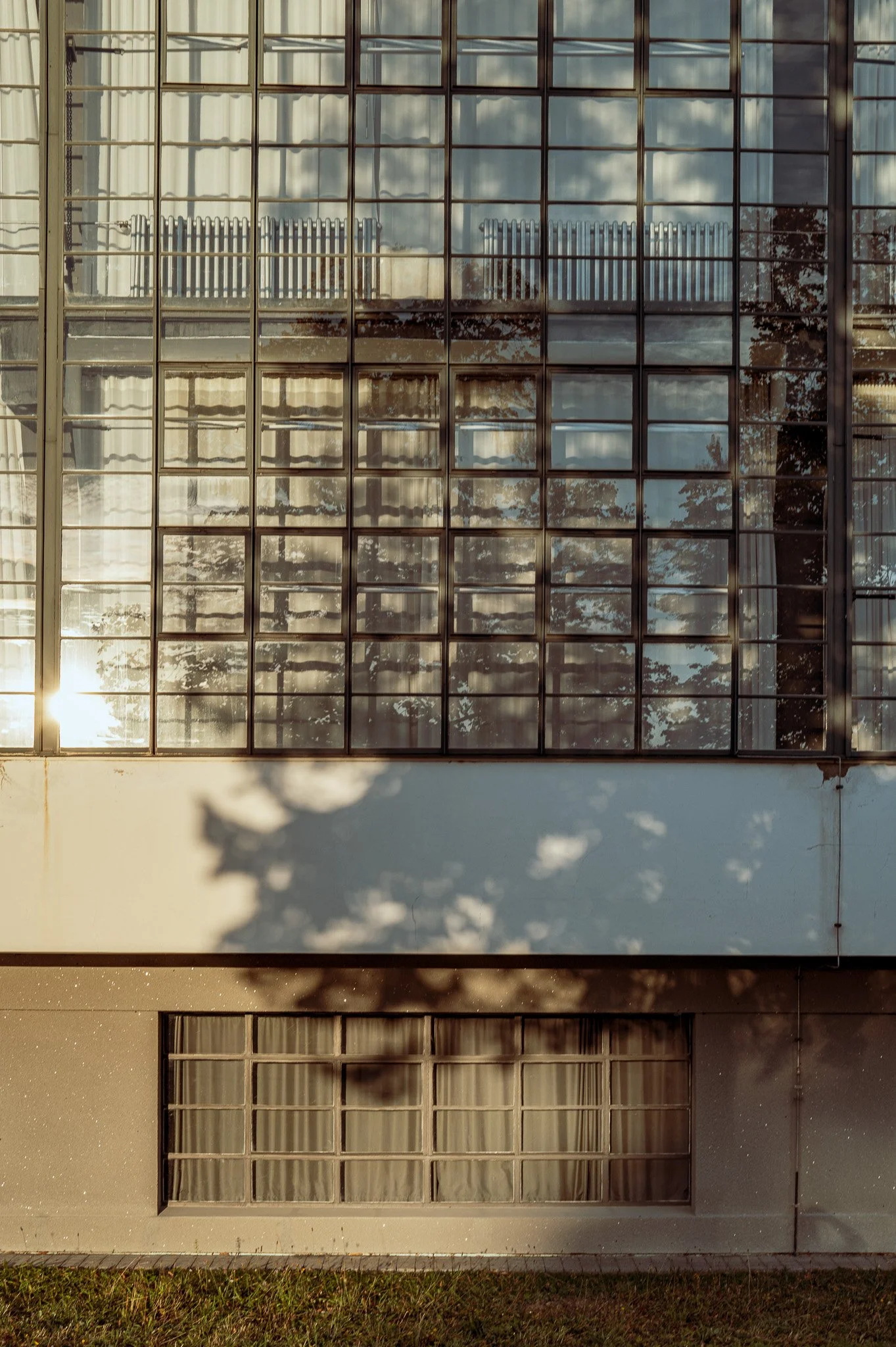
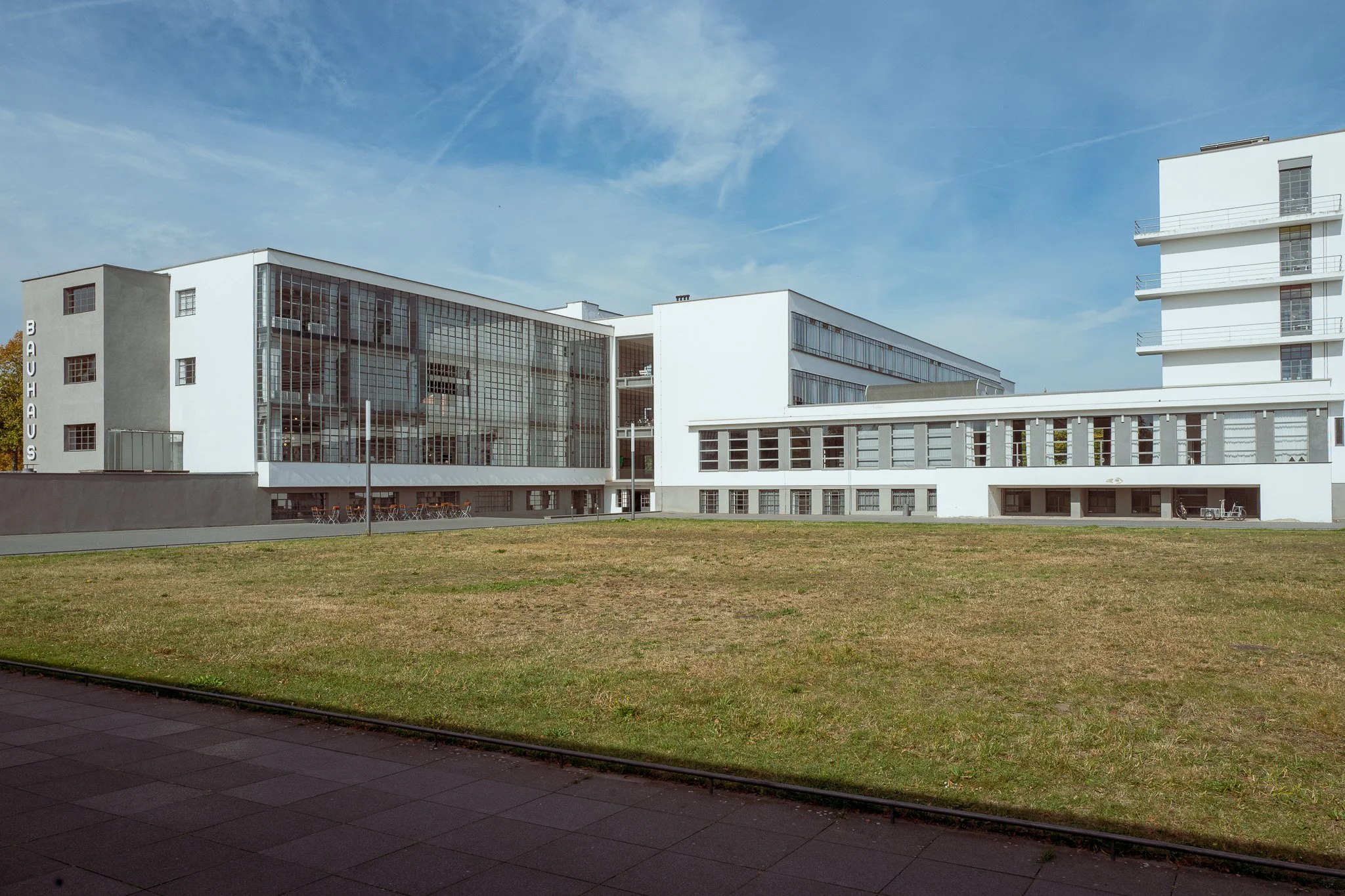
Some people go to Iona or Rome for their pilgrimage. I went to Dessau.
The Bauhaus was founded in Weimar in 1919 by Walter Gropius. It was a new kind of school unifying art, technology, architecture, furniture, weaving, typography and theatre for the modern world. The school encouraged students to experiment and study across disciplines.
It moved to Dessau in 1925, welcomed by the then Lord Mayor Fritz Hesse, who contributed funds for the building of the new school and commissioned Gropius to design the Bauhaus Building.
Famous tutors and students are a who's who of early 20th-century culture – Anni and Josef Albers, László Moholy-Nagy, Paul Klee, Wassily Kandinsky and Lyonel Feininger. Lucia Moholy photographed the building and its workshops.
The Dessau school closed in 1932. It moved to Berlin and closed for good in 1933. Many emigrated to the UK (some lived in the Isokon Building) and on to the USA, where there was more work.
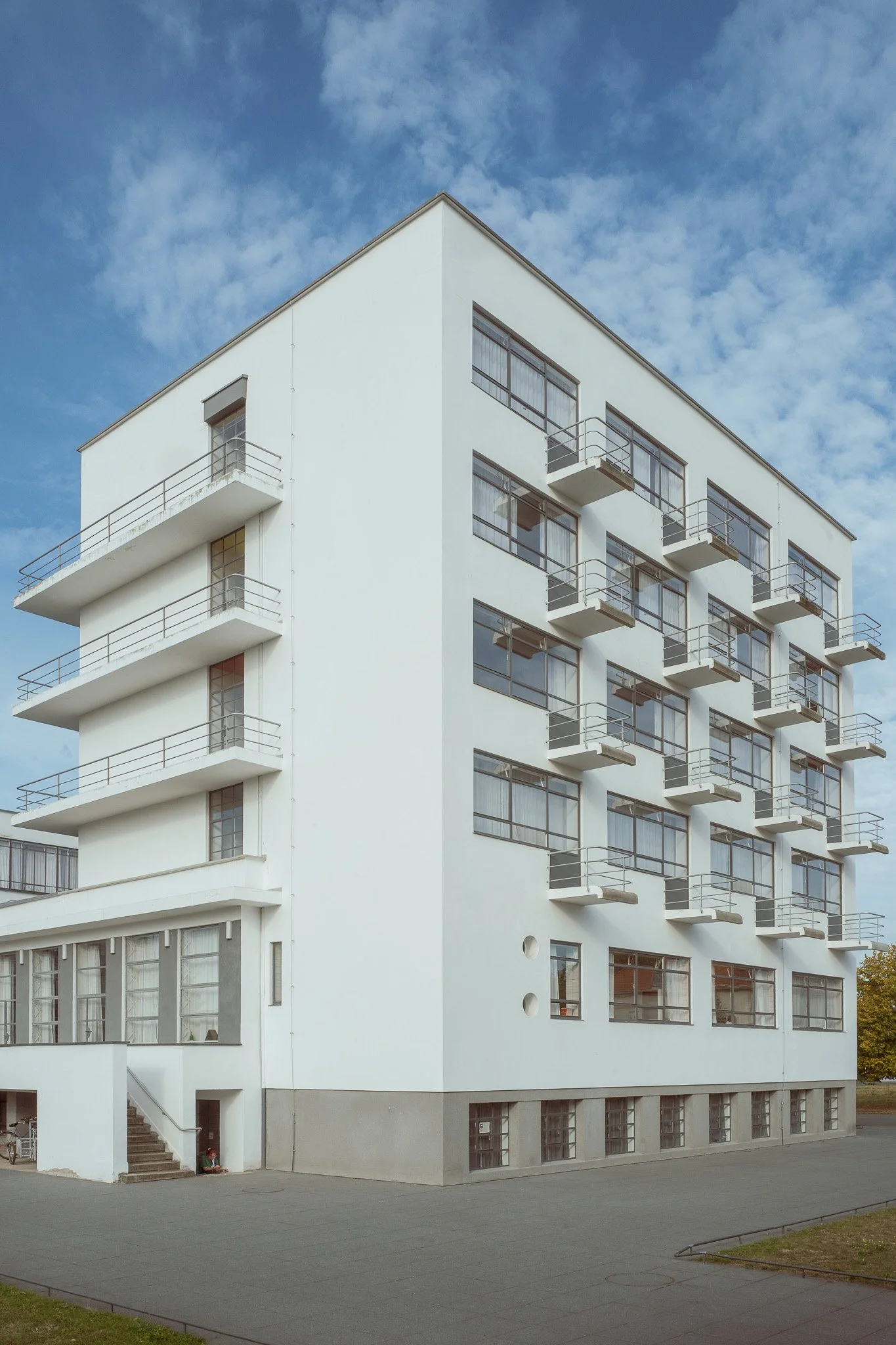
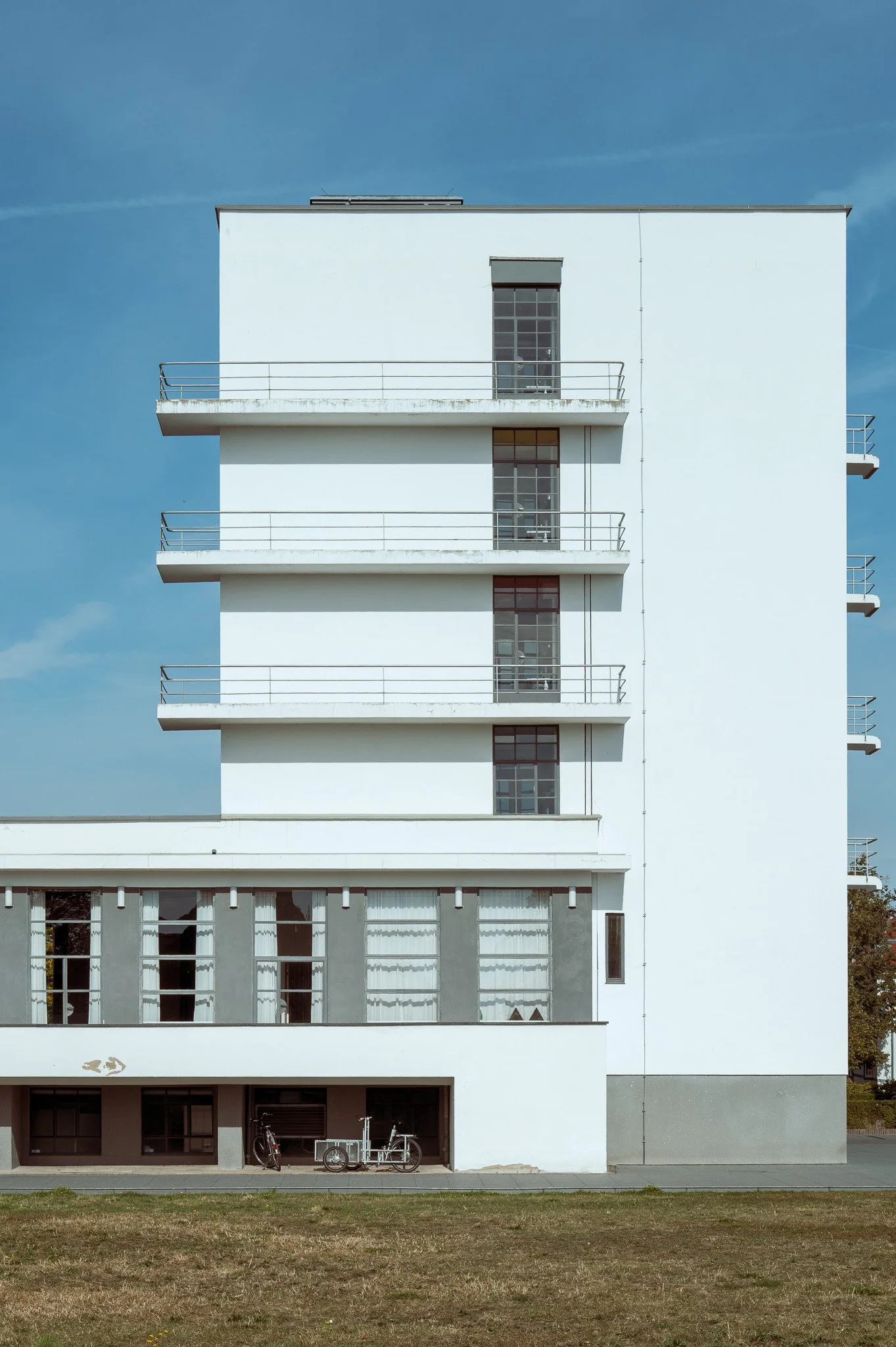
Studio Building, built 1926 and restored 2006.
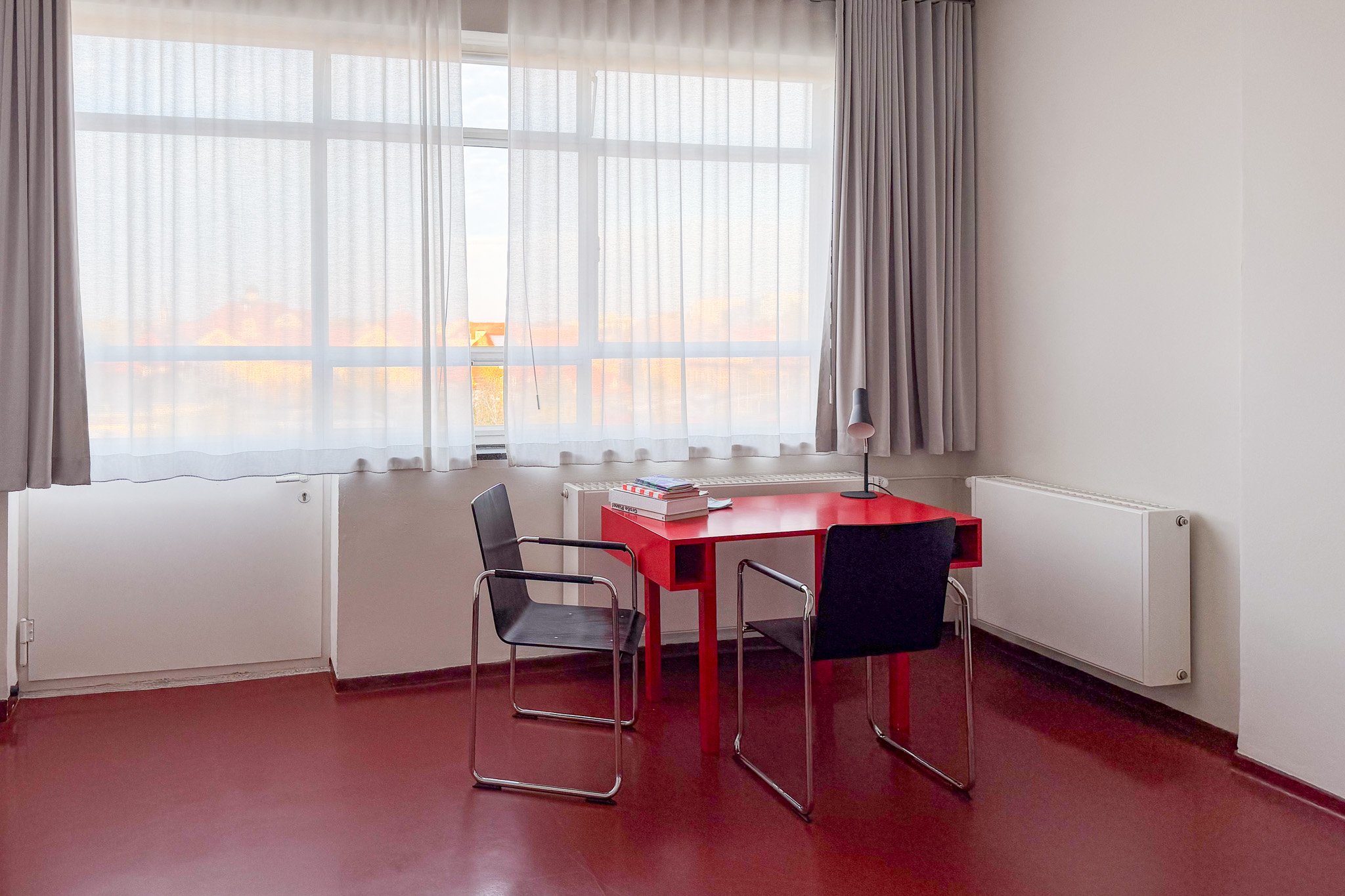
By train it takes just over one and a half hours from central Berlin. Because one day isn't enough, I stayed in the Studio Building, or Prellerhaus, and slept in the same rooms students would have lived in a century ago for the princely sum of €55. It made the experience even more special. The canteen on the ground floor serves a good breakfast to start your day and a refreshing pils to end your day.
If you know your Bauhaus, you'll know the famous photo of students looking over the balconies. This is where I stayed. Of course I went out on one, but stood close to the wall as the railings barely came up to my knees.
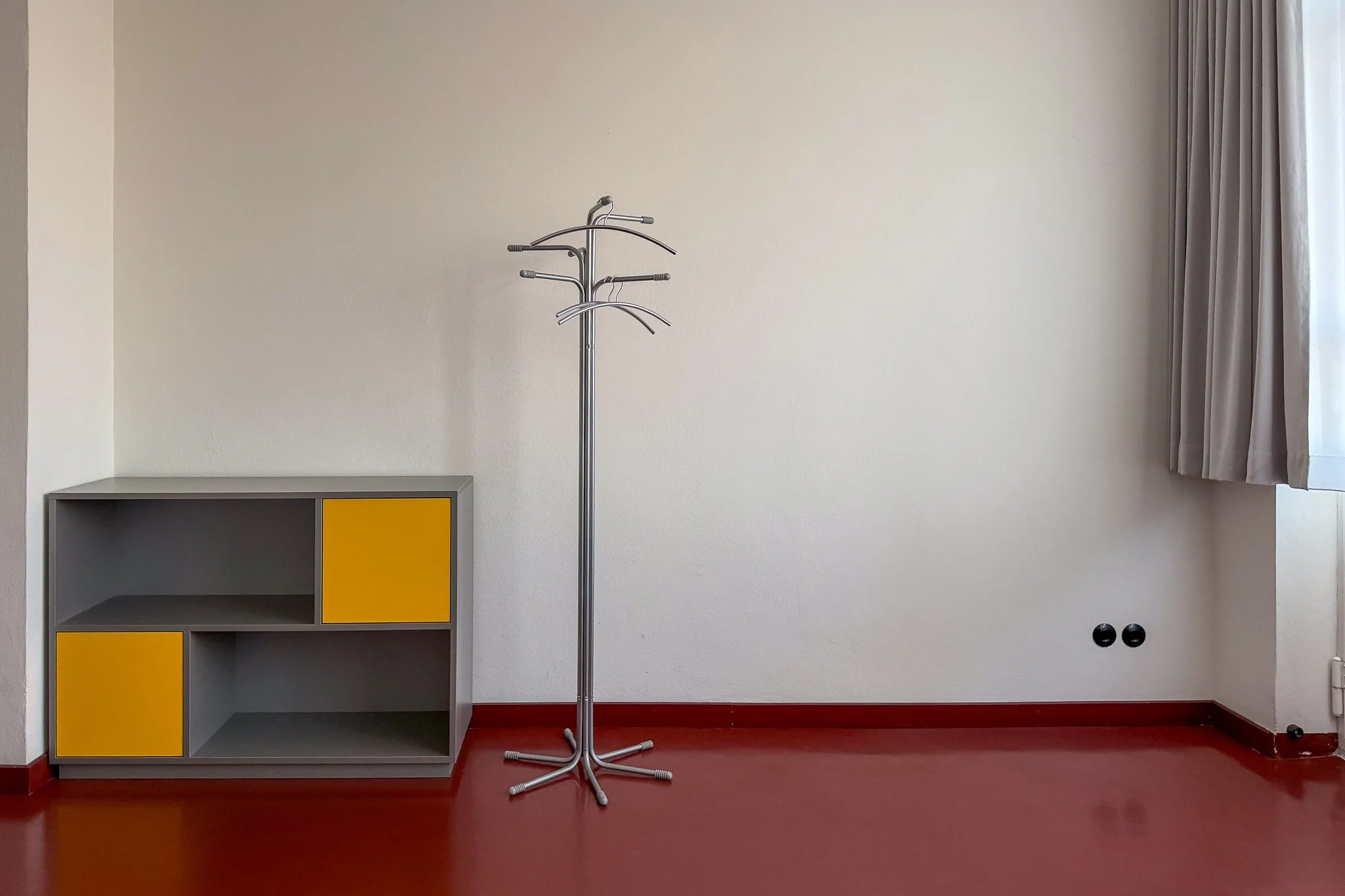
This was the first time Bauhaus students could live and work at the school. The facilities were luxurious for the time. Bathrooms, showers, kitchenettes and terraces were shared. Furniture was designed by Marcel Breuer.
Bauhaus Building
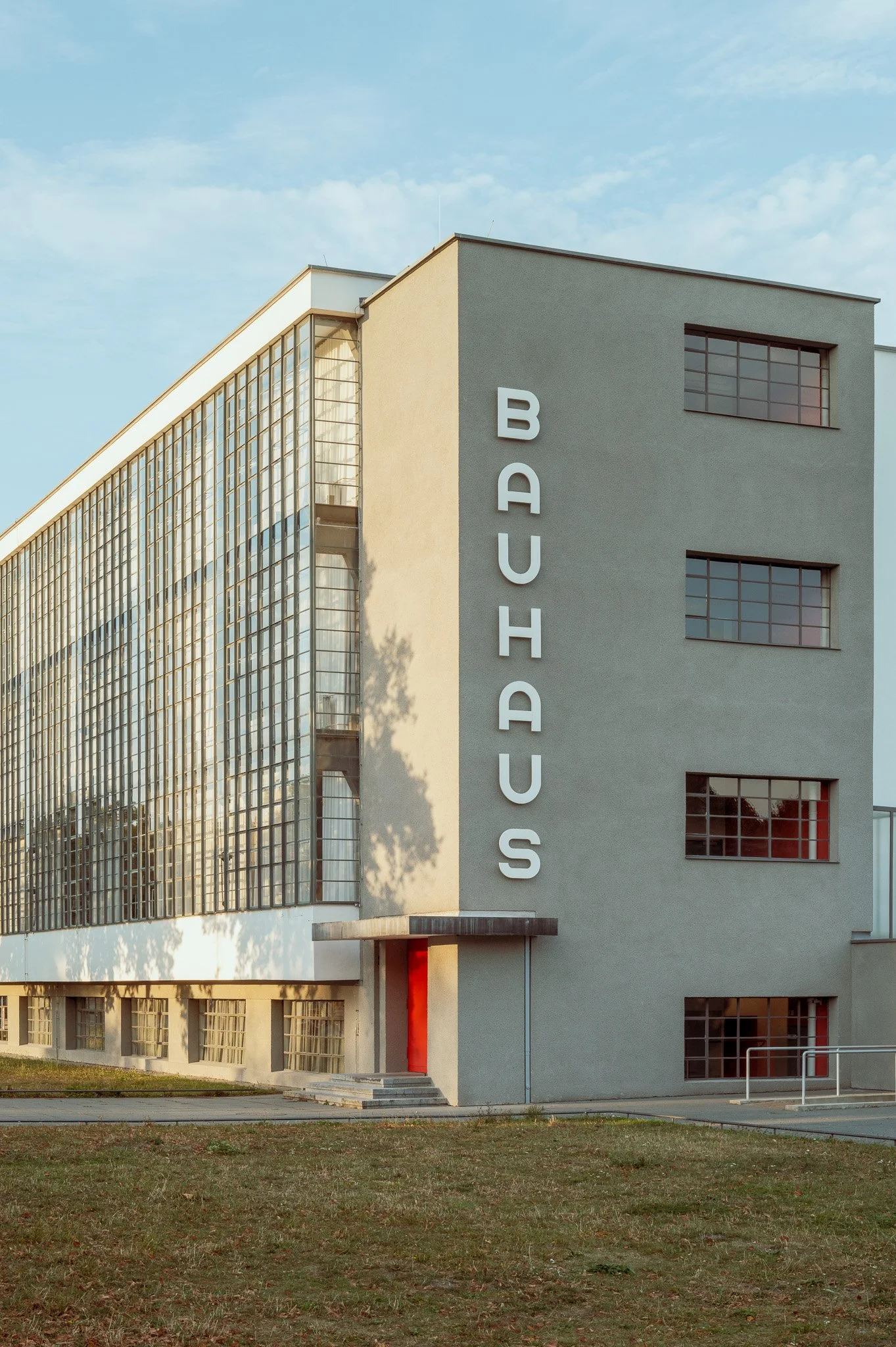
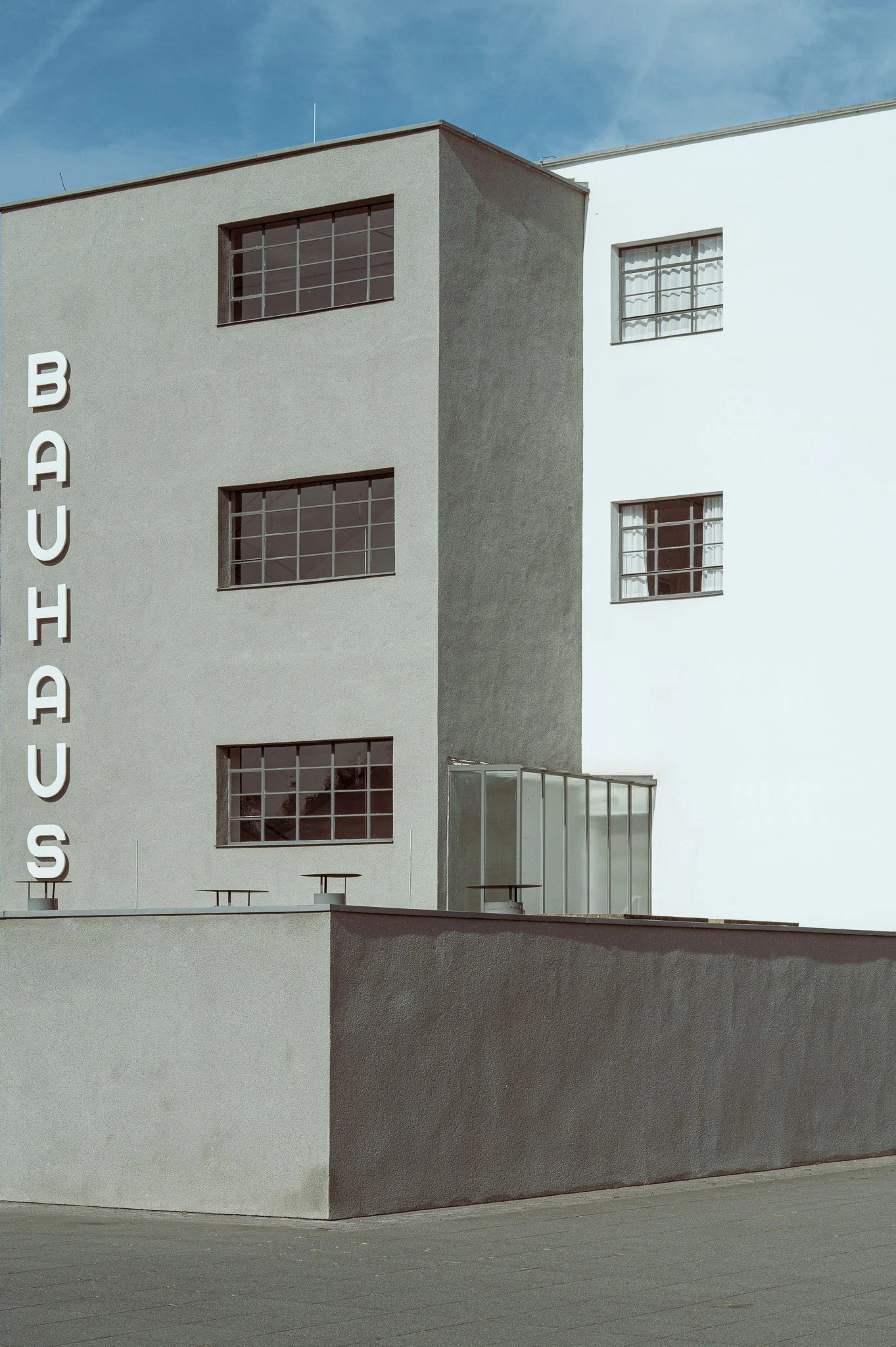
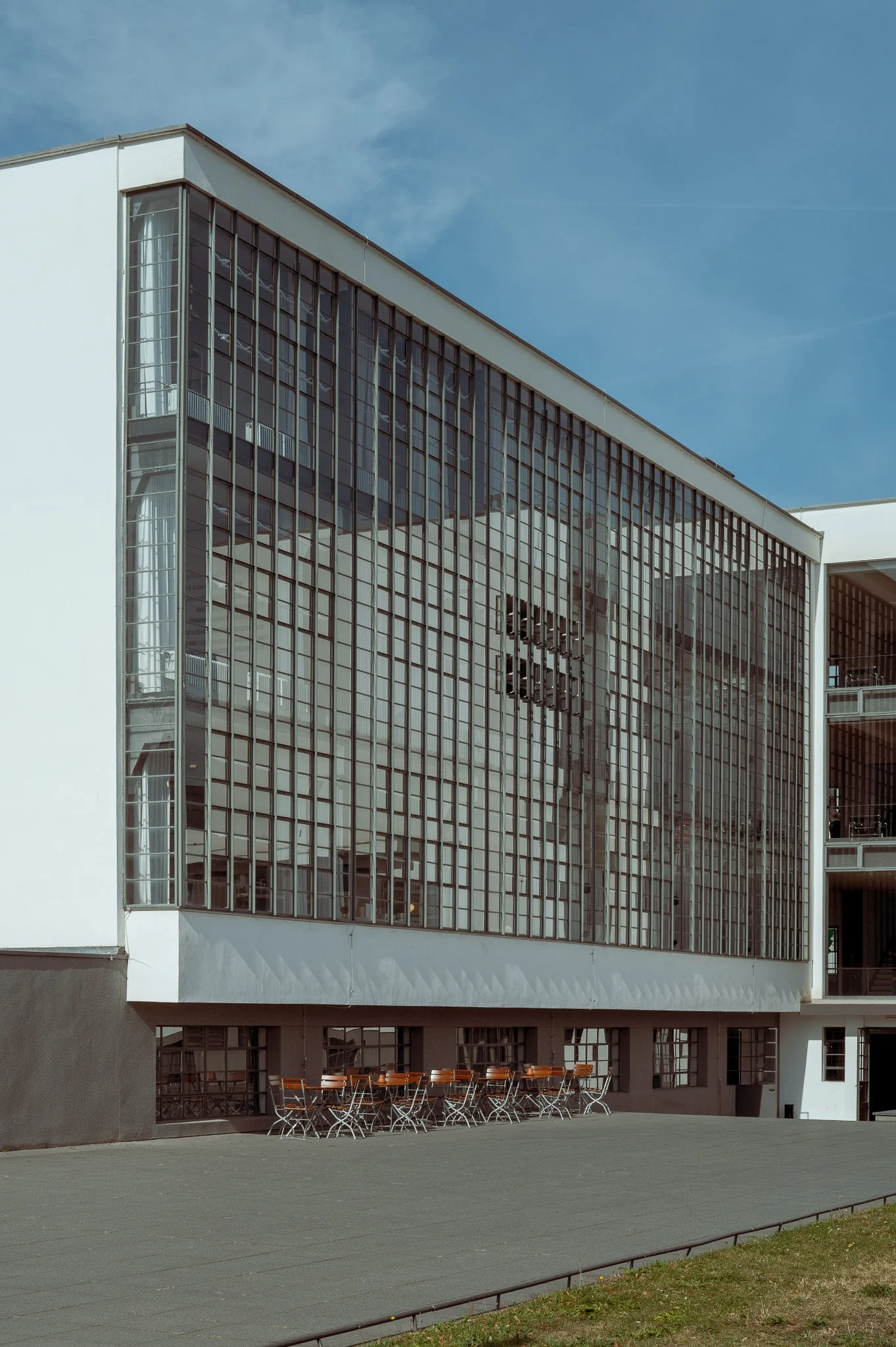
This is the building which is recognised throughout the world. Designed by Water Gropius in 1926 it houses school-rooms, workshops, a stage and a canteen.
Masters’ Houses
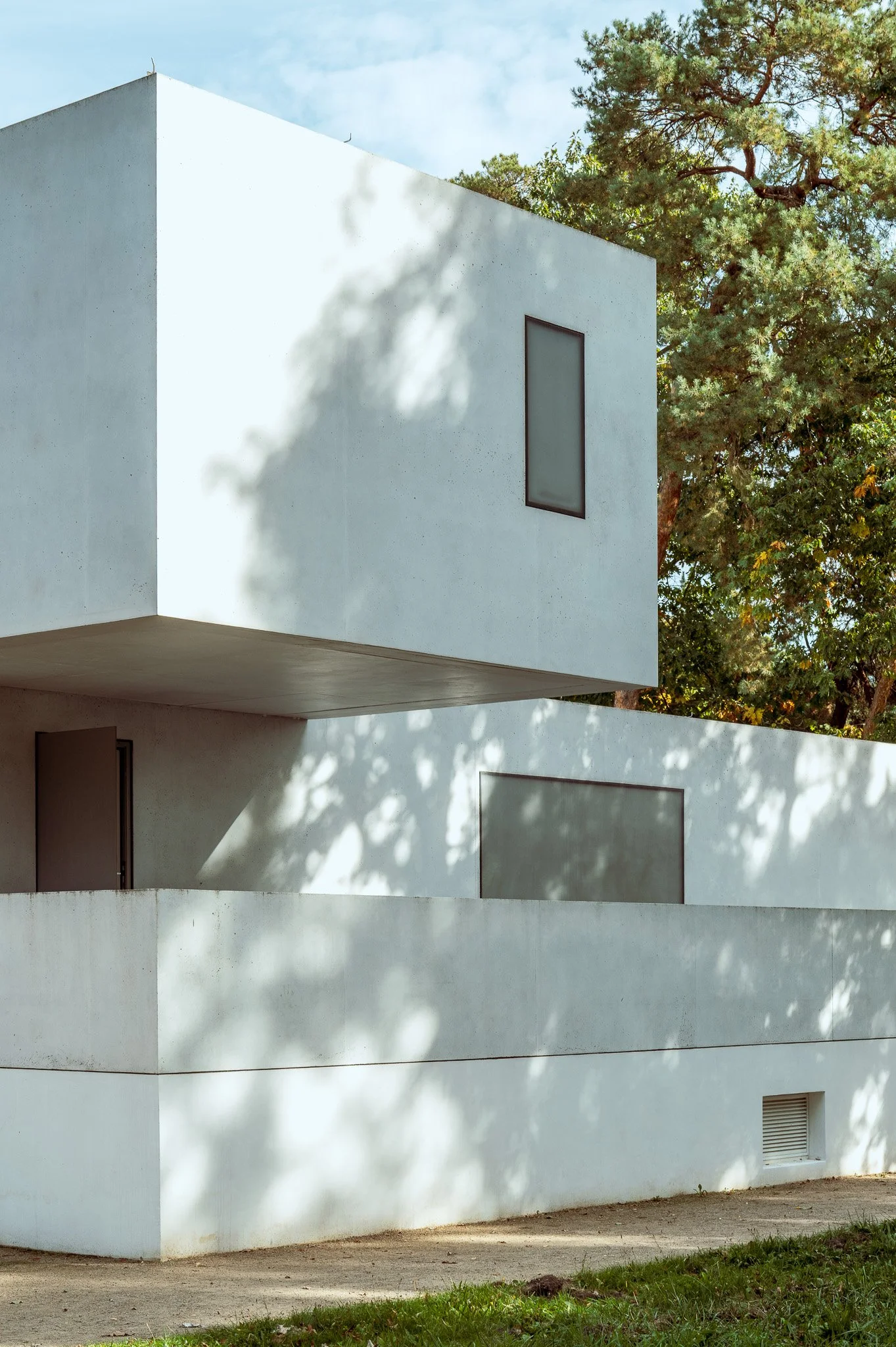
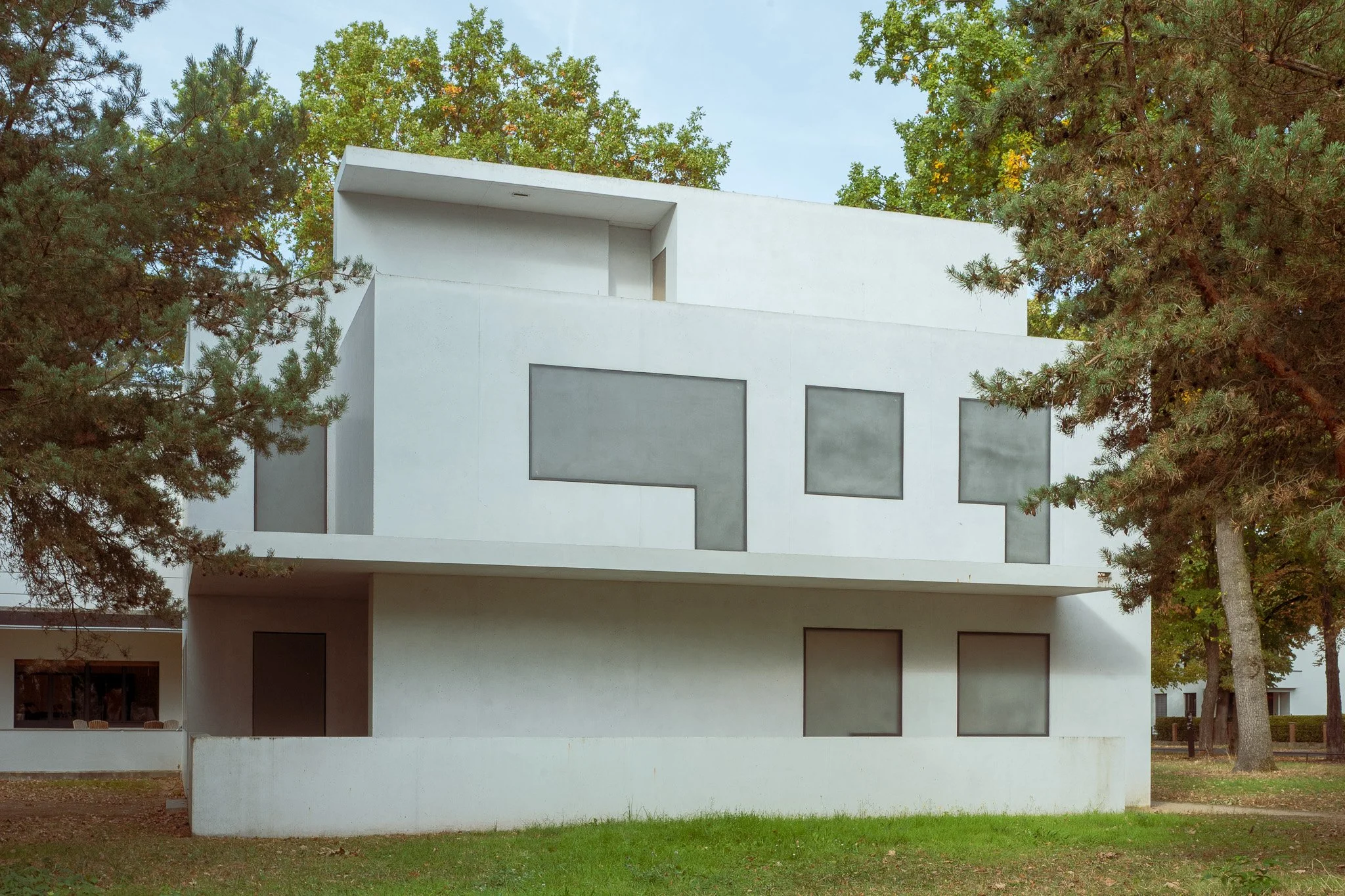
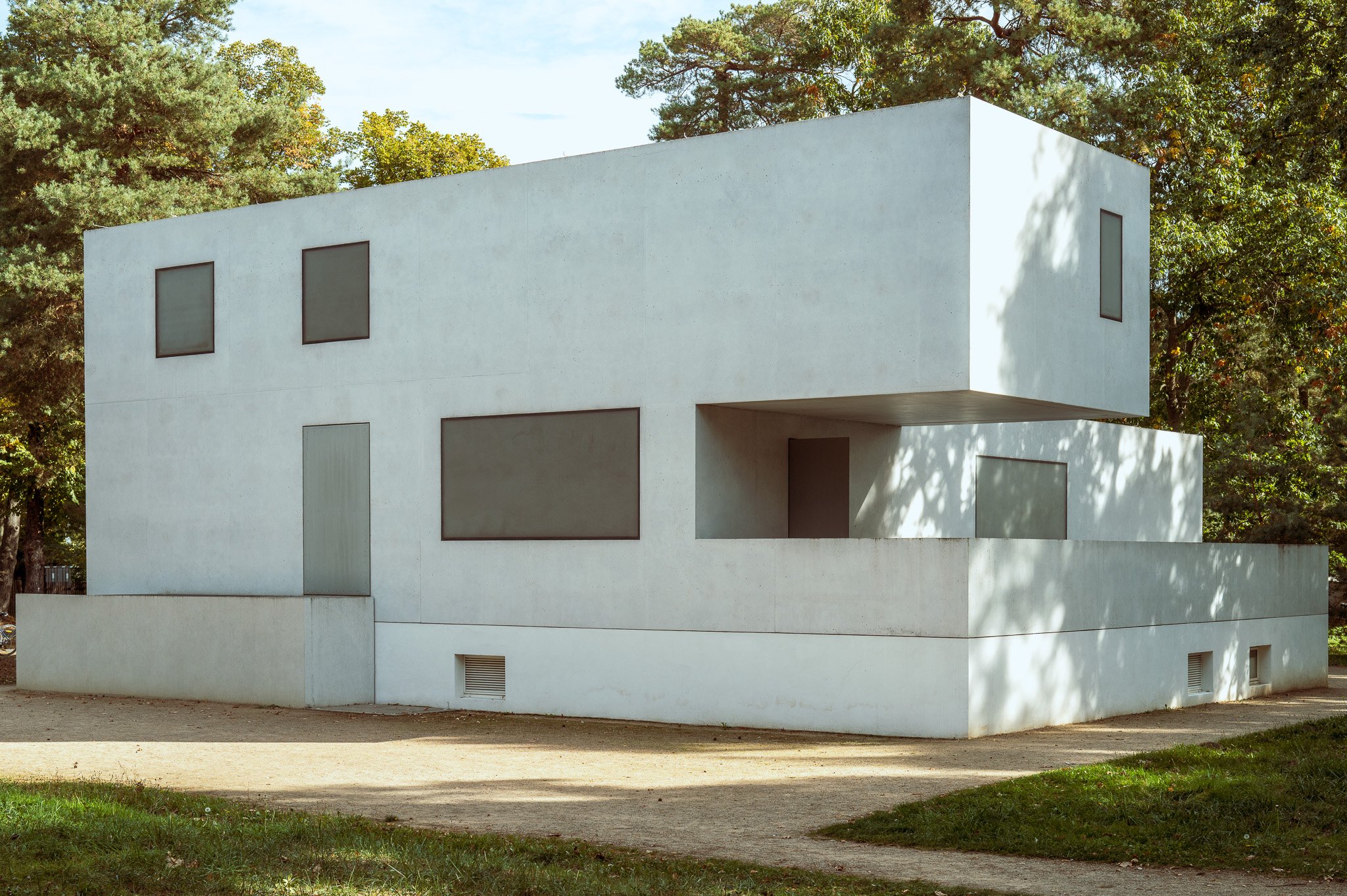
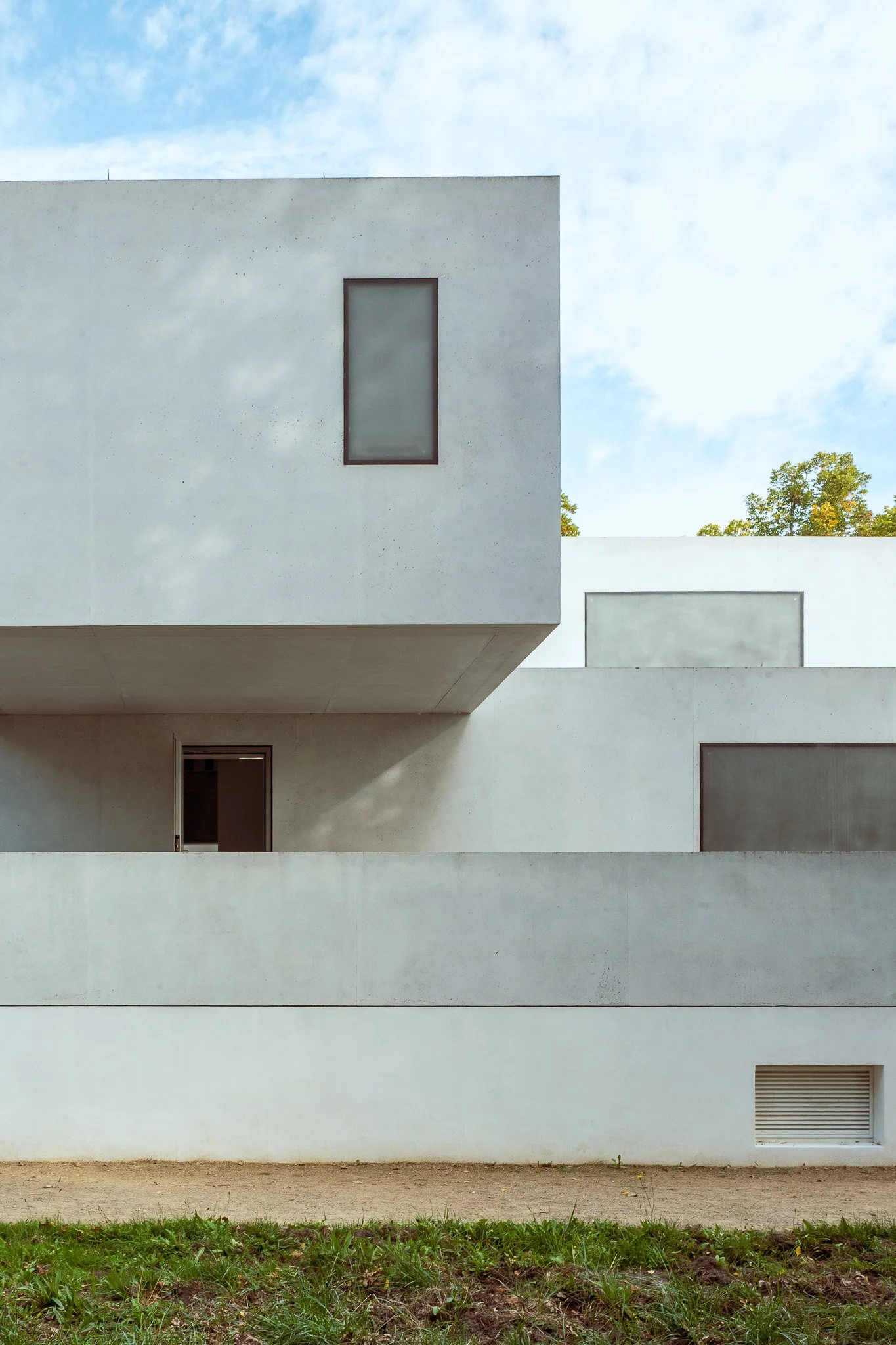
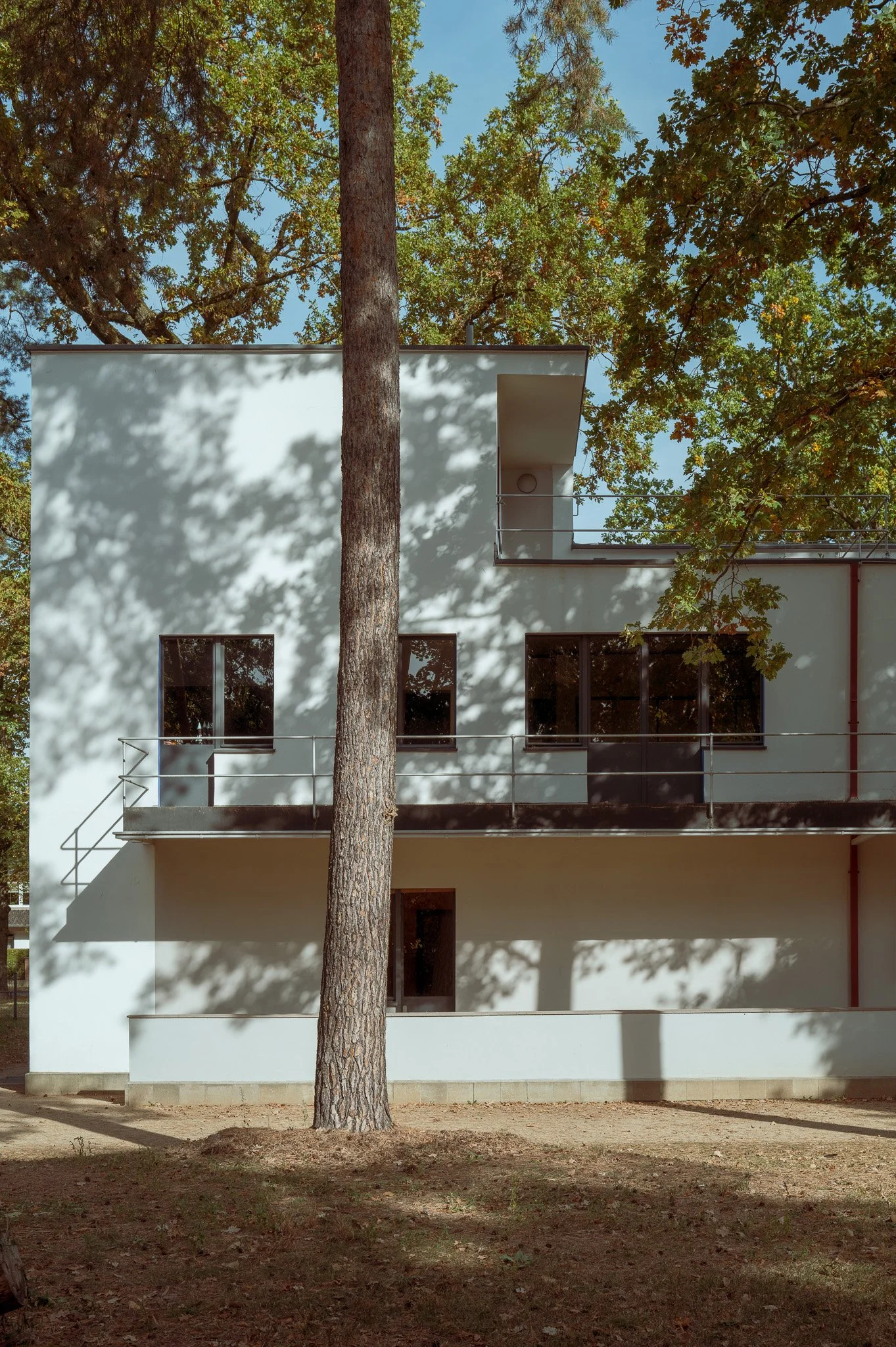
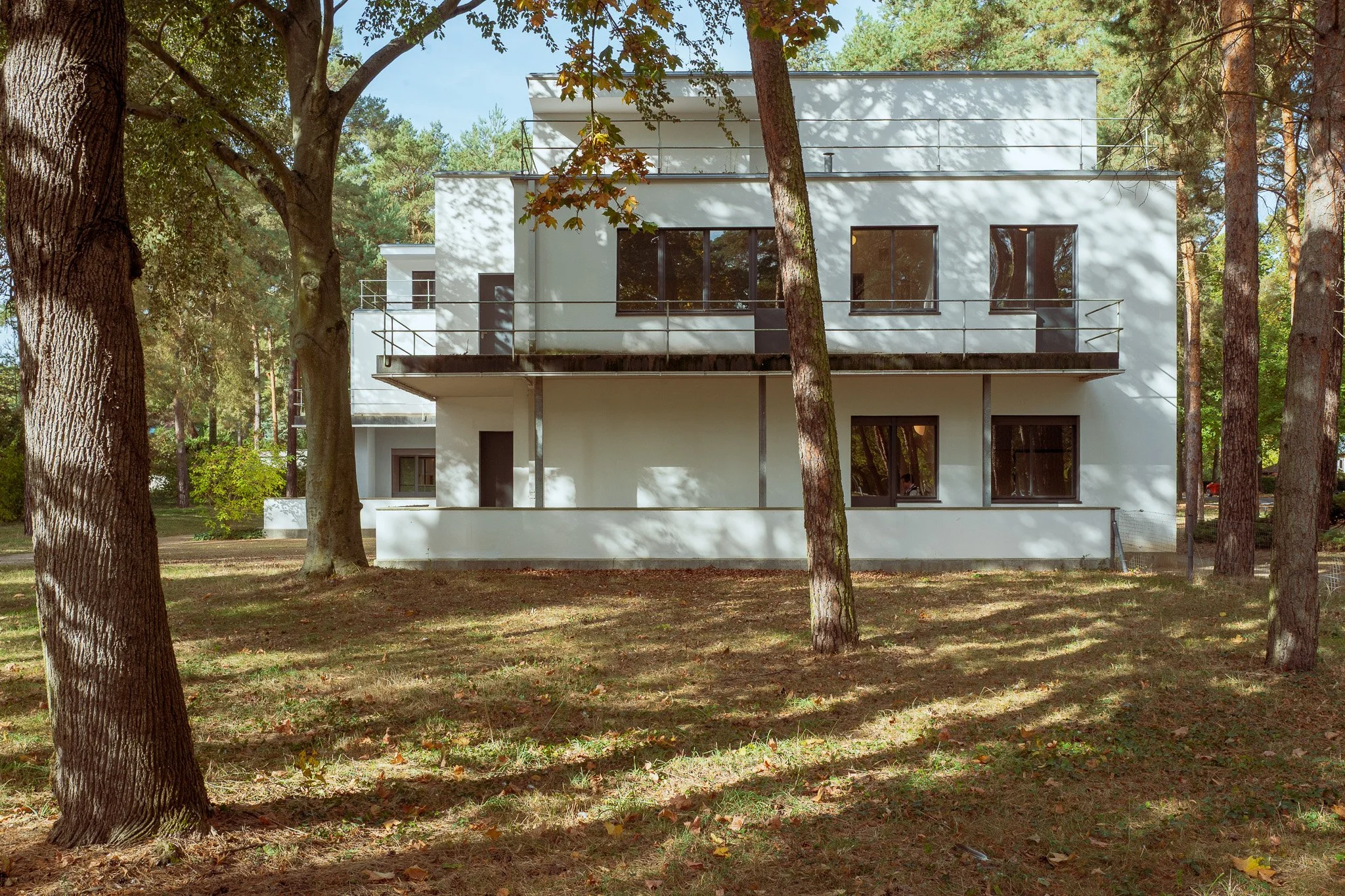
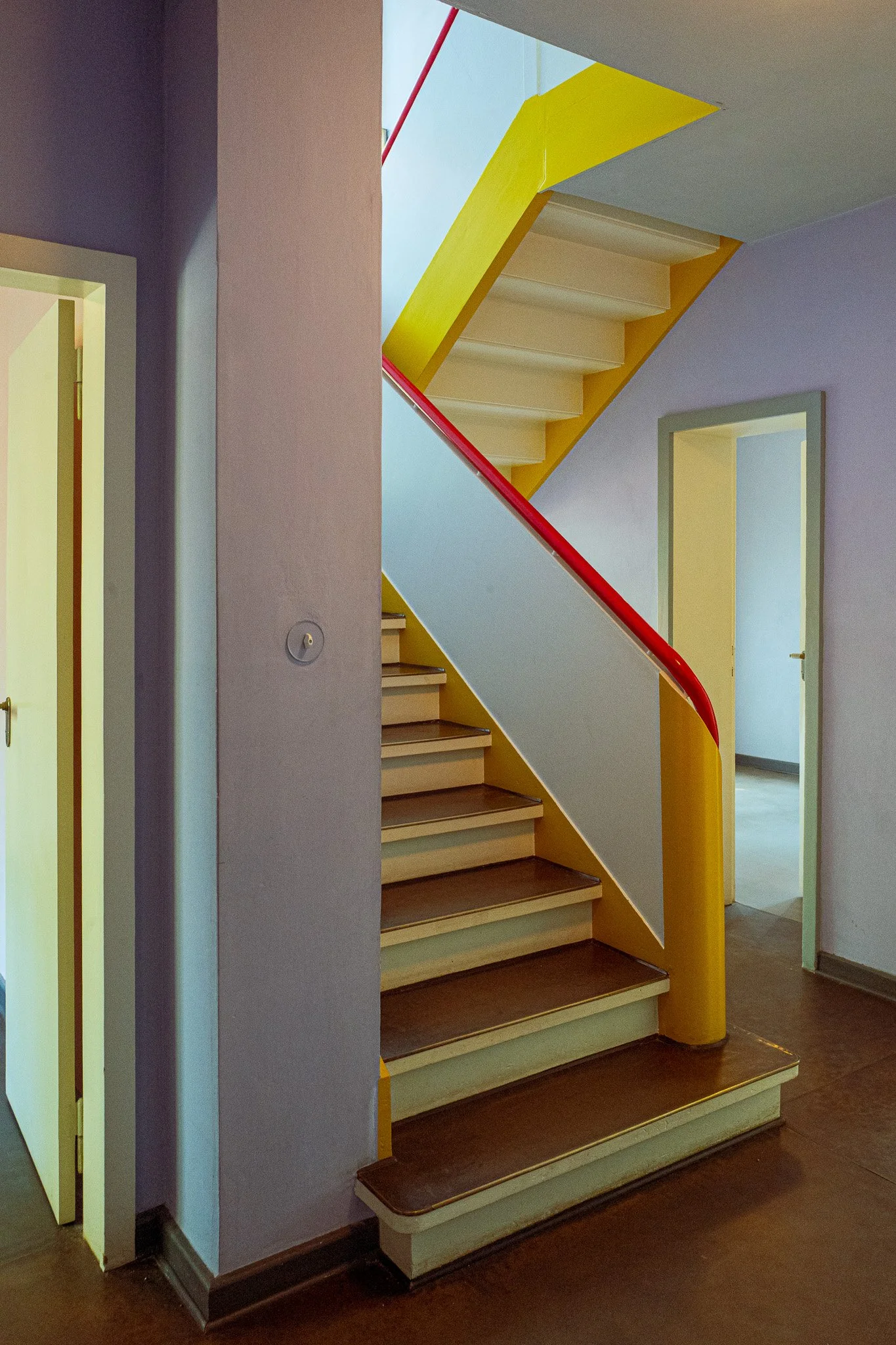
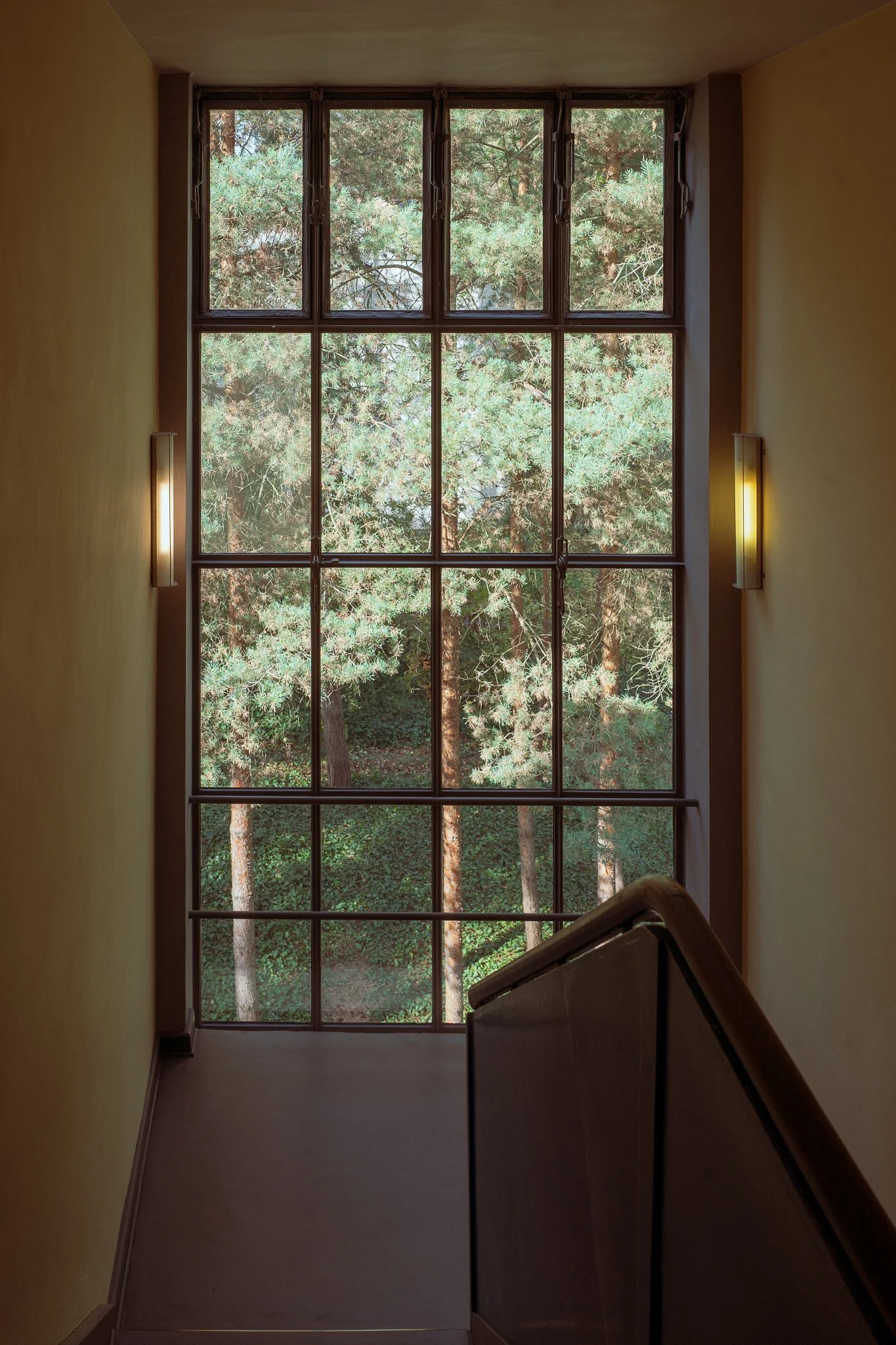
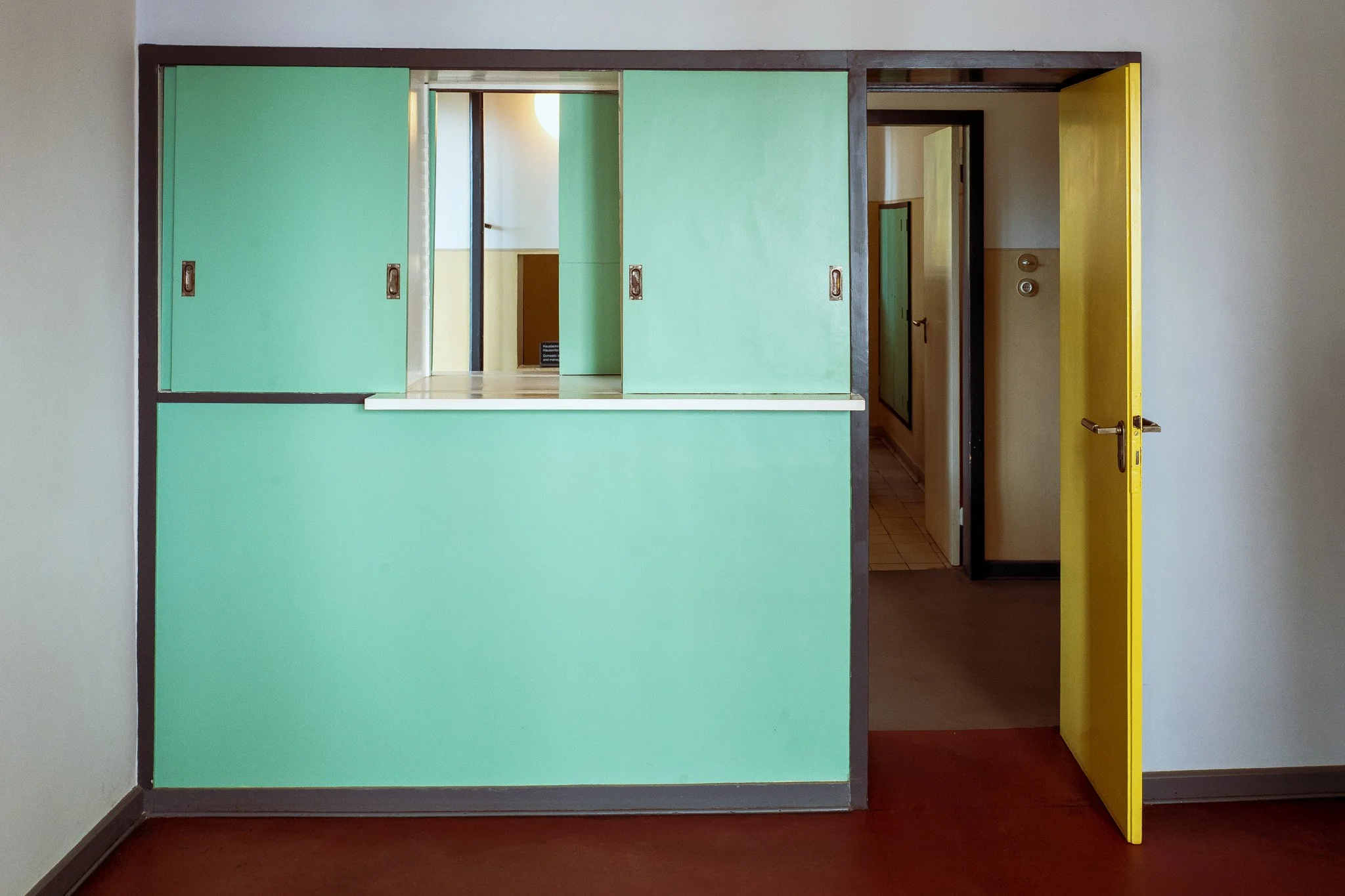
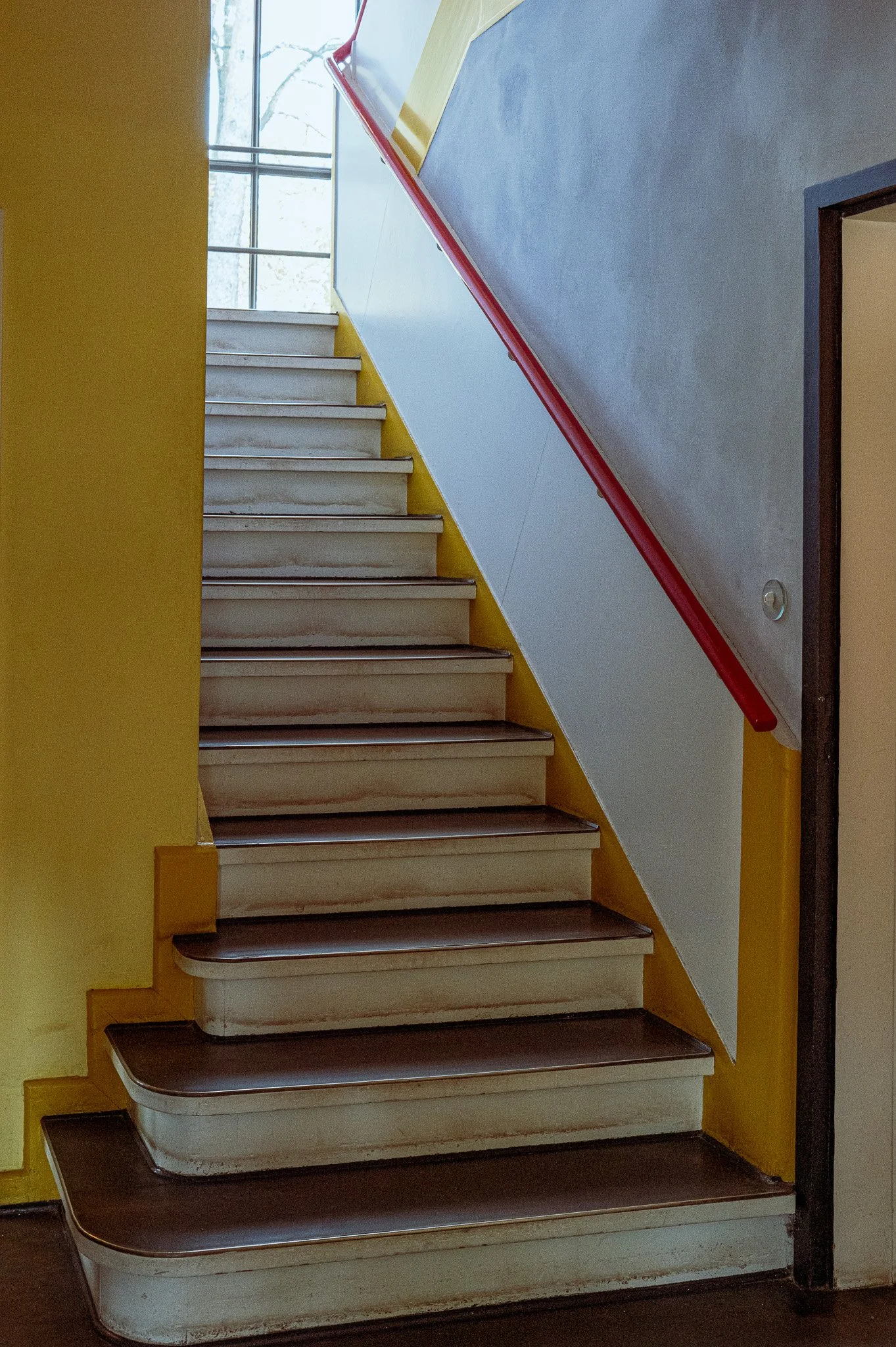
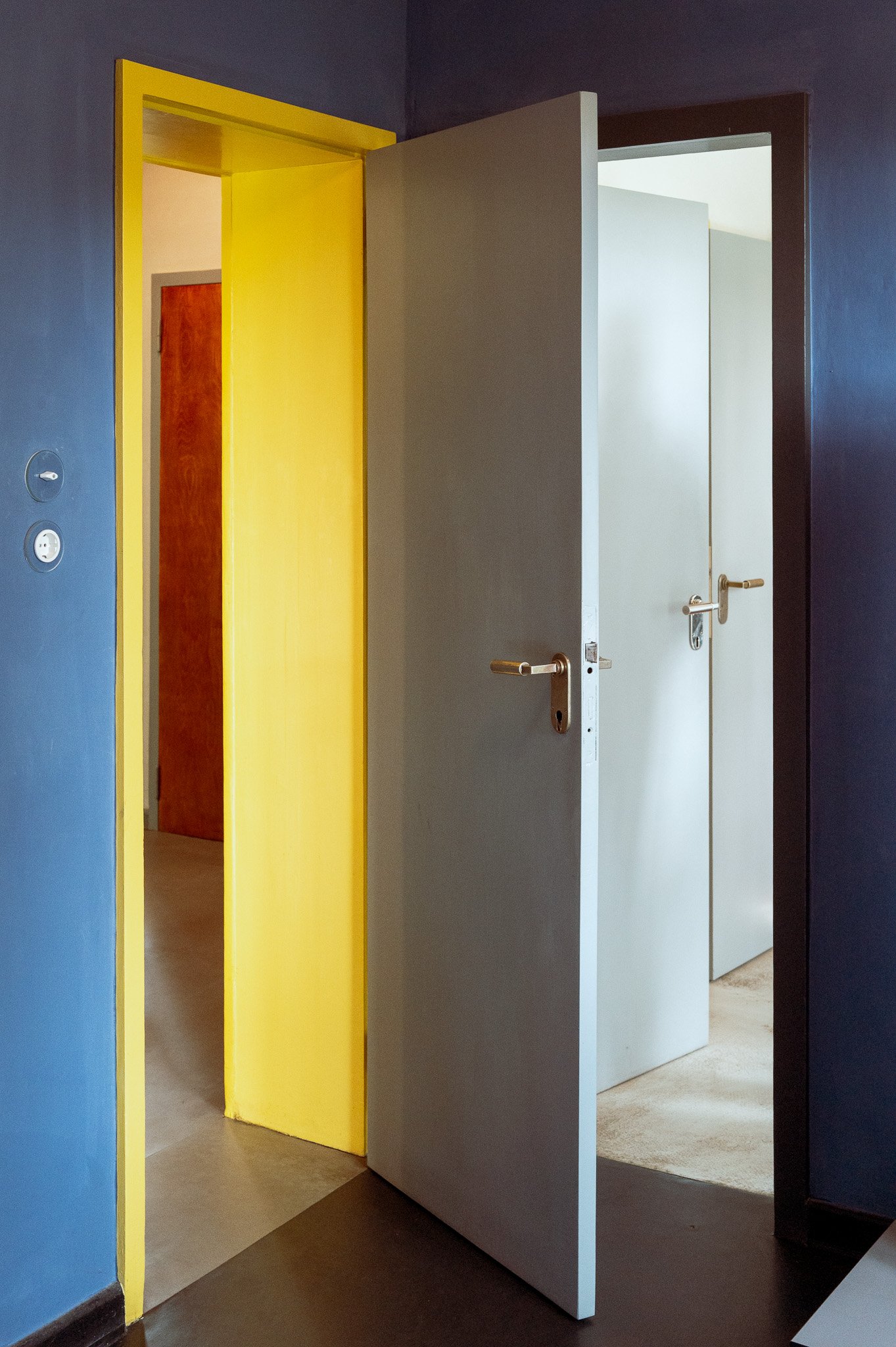
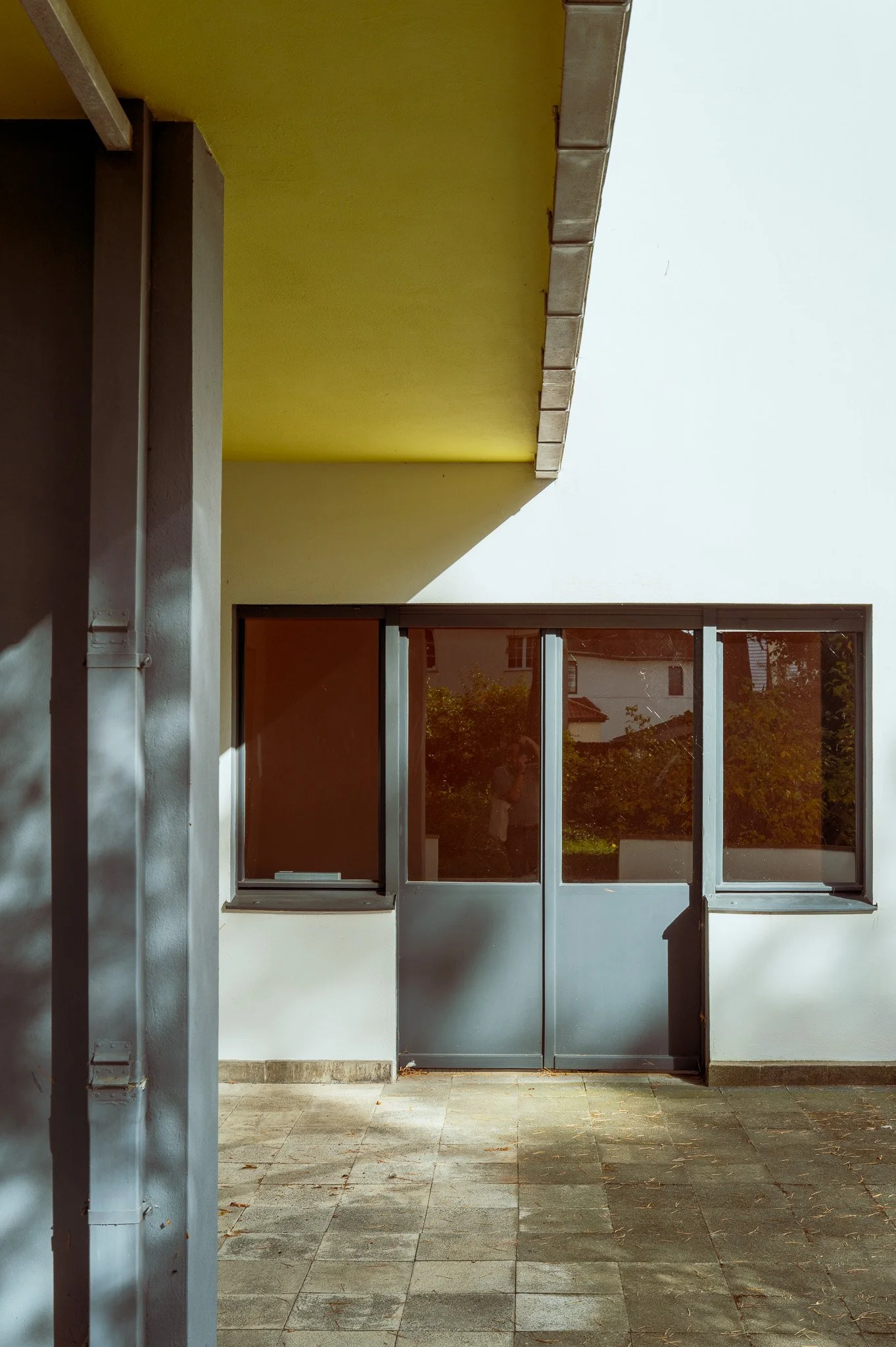
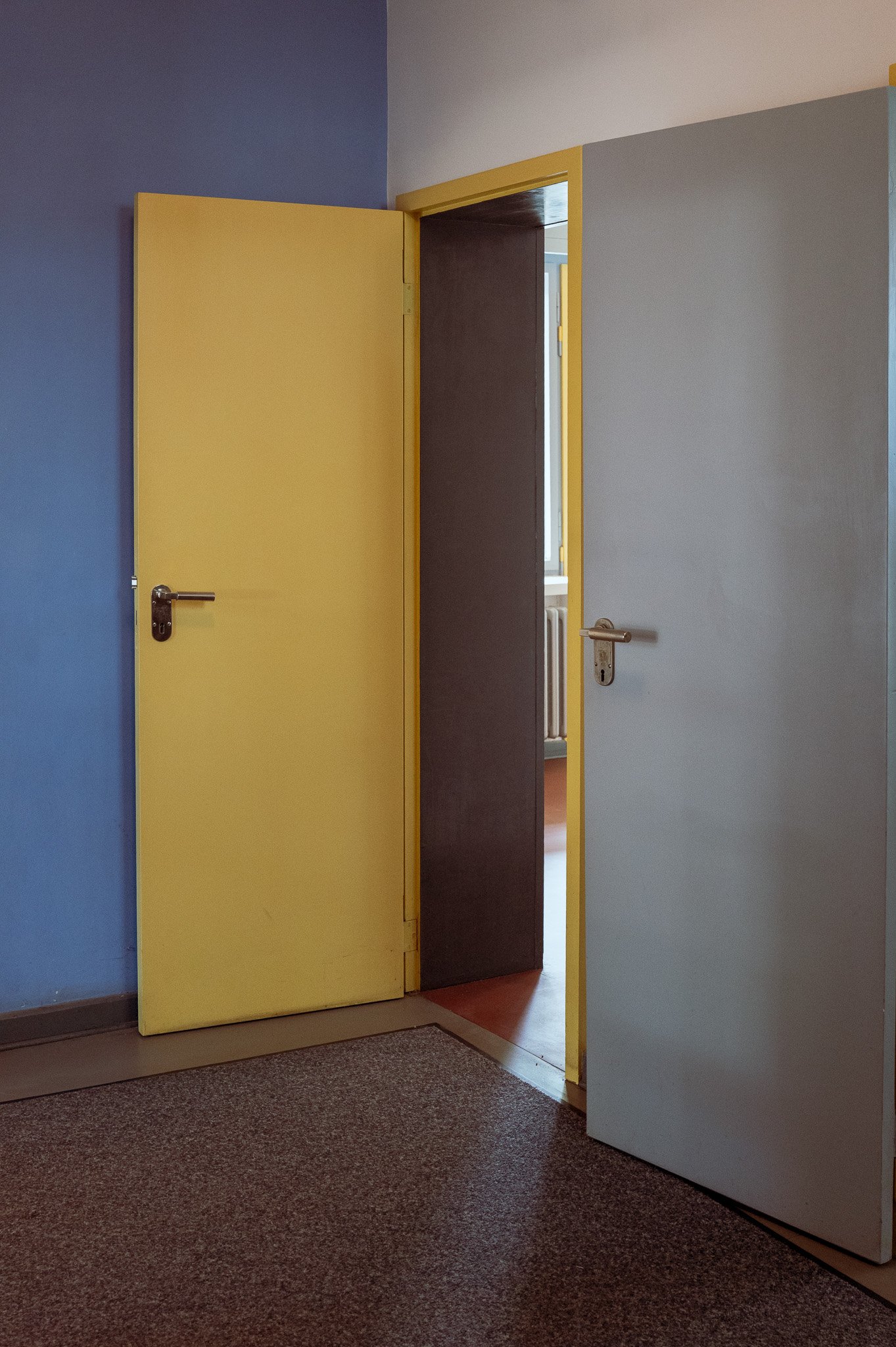
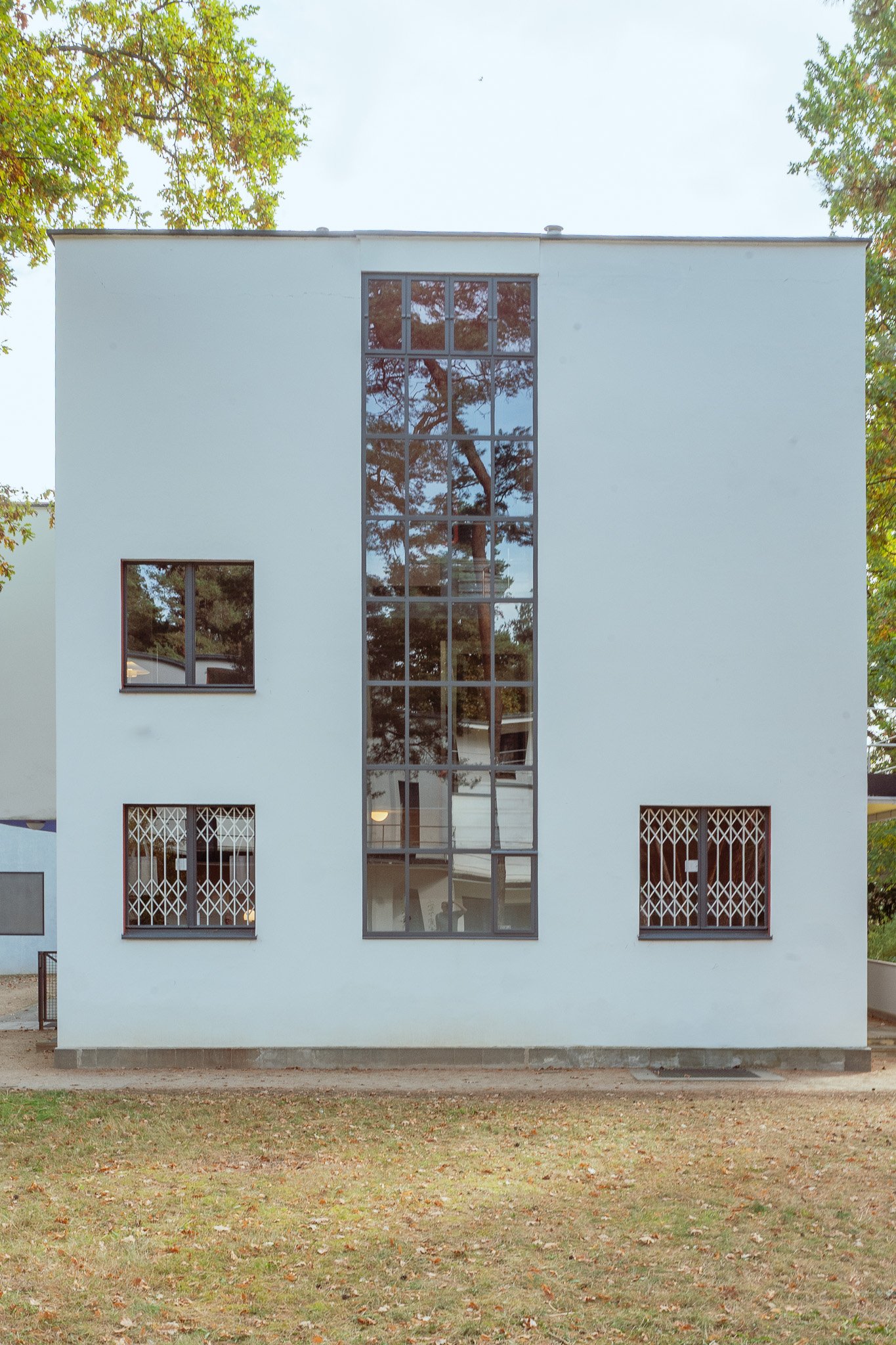
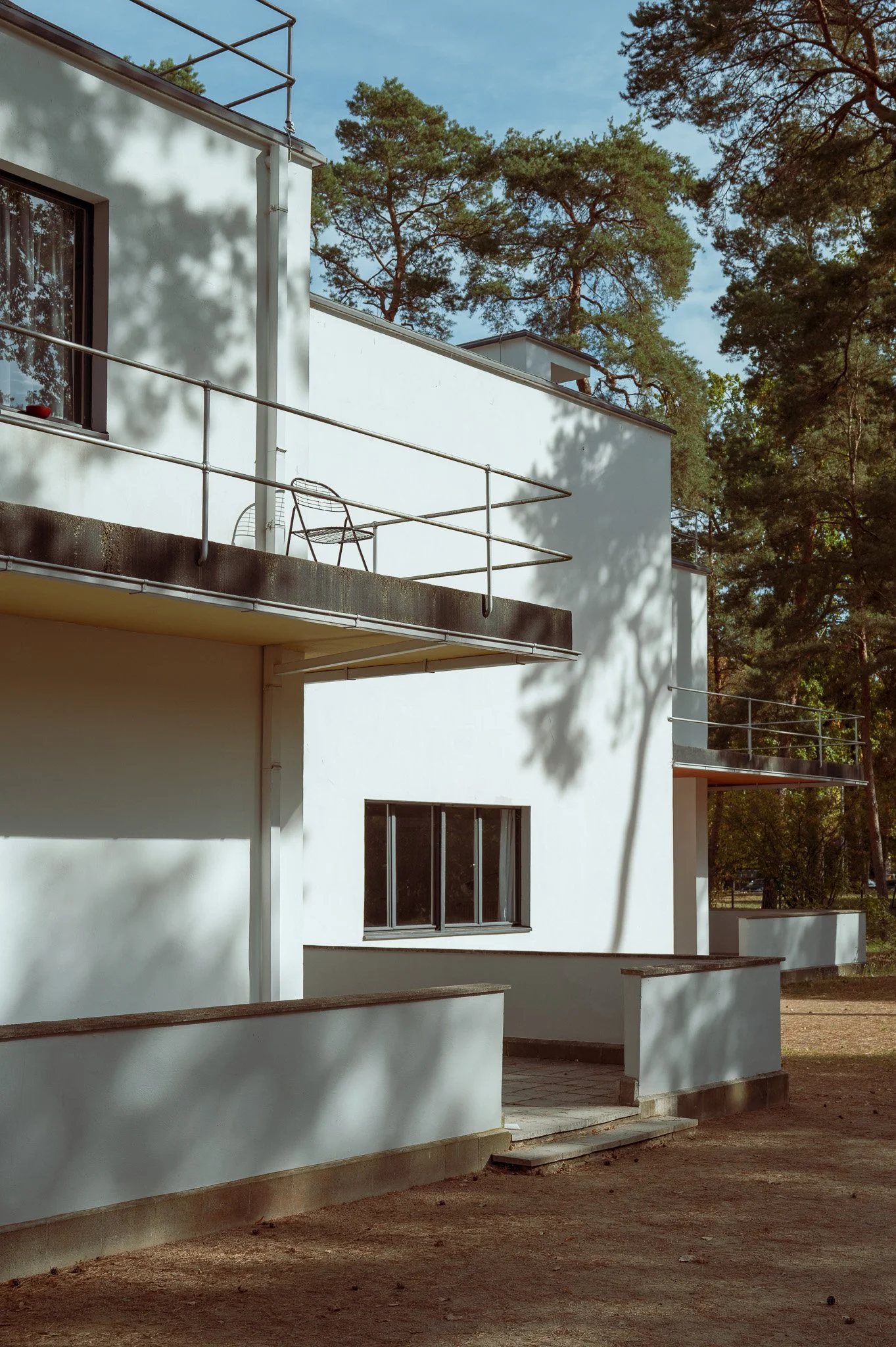
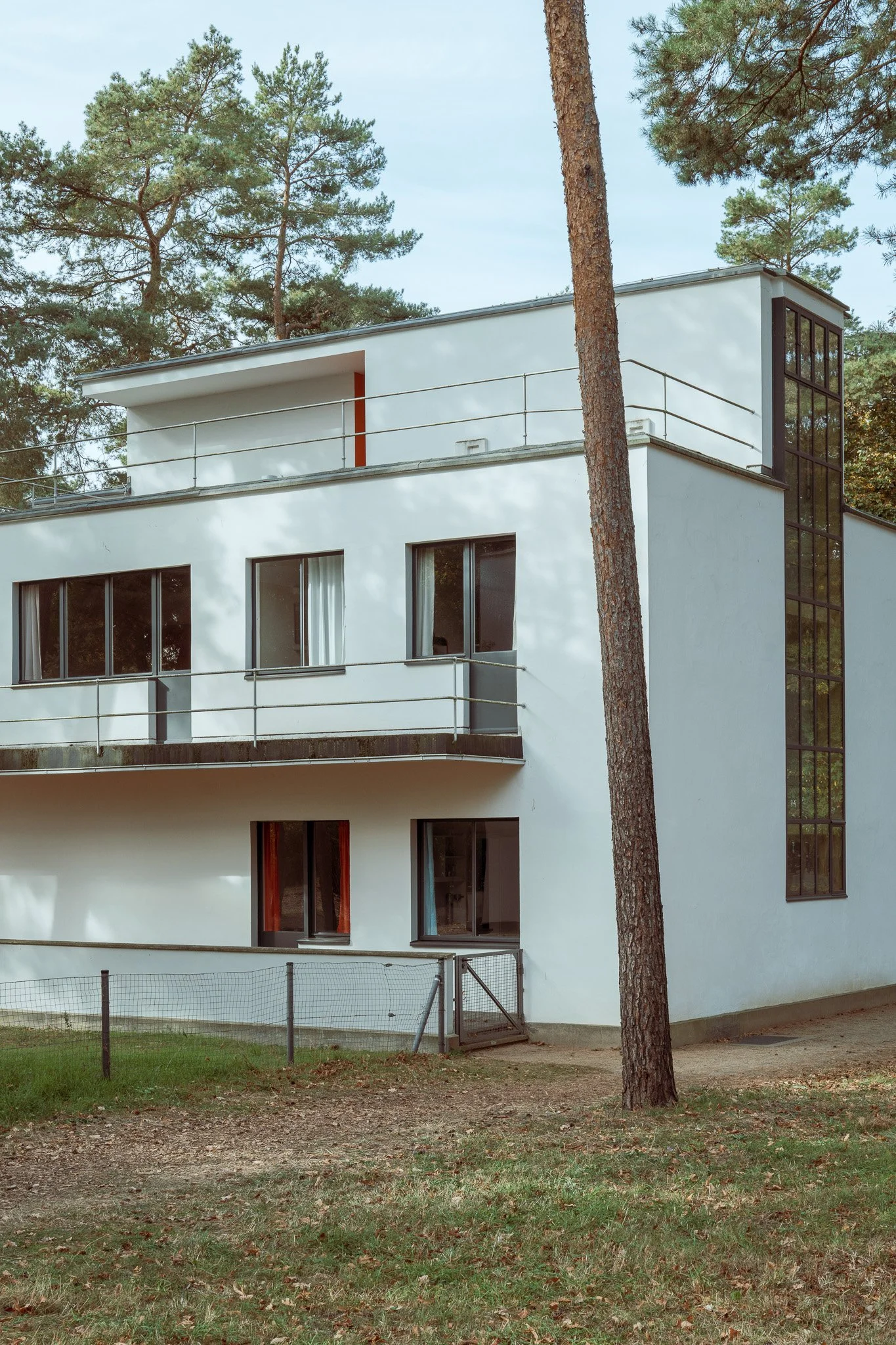
A few minutes' walk away from the Bauhaus Building are the Masters' Houses. Designed by Walter Gropius in 1925–26 (he was a busy fellow that year), they became home to the Gropius, Moholy-Nagy, Feininger, Muche, Schlemmer, Kandinsky and Klee families. Albers and Stölzl lived there later. Three structures are semi-detached while the director had a single house. Following the principles of rational construction, they were made from prefabricated industrial parts yet still manage a varied design between the houses by rotating their floor plans.
The director's house and half of the Moholy-Nagy/Feininger pair were destroyed in World War II. The others fell into a state of disrepair and were restored by 2002.
The two destroyed buildings were replaced in 2014. Not by historically accurate copies, but by the "architecture of imprecision". Architect Donatella Fioretti said in 2014 "… it is about remembering and memories. And memories live on imprecision and inaccuracies." This is particularly noticeable with the director's house, which is now exhibition space. David Chipperfield was on the jury that appointed the architects (Berlin-based Bruno Fioretti Marquez) and his influence is palpable.